
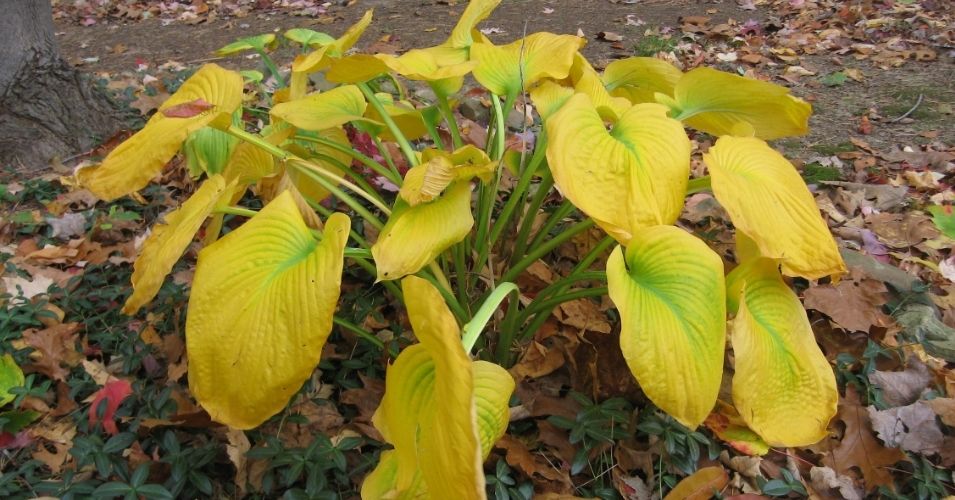
Hostas are among the most beloved perennials for their lush foliage and easy-going nature, but when fall arrives, they need special attention to prepare for winter.
As the days grow shorter and temperatures drop, hostas begin to die back above the ground while quietly storing energy in their roots. What you do during this season determines how well they return in spring.
From cutting back fading leaves to protecting roots against frost, fall care ensures your hostas remain strong.
With a few thoughtful steps, you can keep your garden looking neat while giving your plants the best chance to thrive.
Water Needs of Hostas Before Dormancy
Hostas may be known for their hardiness, but they still rely on careful watering in fall as they prepare for dormancy. Many gardeners assume that once the leaves begin to fade, the plants no longer need water.
In reality, the roots remain active well into the cooler months, drawing in the moisture they need to store energy for the next growing season. Proper watering during this transition is what ensures hostas return lush and vigorous in spring.
In early fall, when the weather is still mild, hostas benefit from regular deep watering. This encourages strong root development before the ground freezes. Shallow watering that only dampens the topsoil is less effective, as it fails to reach the deeper roots.
Using a soaker hose or watering at the base of the plant allows the moisture to soak into the ground, giving the roots a steady supply.
As temperatures drop and the plants begin to yellow, watering frequency should gradually decrease. Hostas use less water as growth slows, but they still need enough to prevent the soil from becoming completely dry. Checking soil moisture is the best guide. If the soil feels dry a few inches below the surface, a good soak is in order.
The most important watering comes just before the ground freezes. Giving hostas one final deep watering helps their roots store enough moisture to survive the winter.
Without this last drink, the plants risk drying out underground, which can weaken them and lead to smaller growth in spring. This is particularly important in regions where winters are dry or snowfall is light.
Mulching after watering also helps conserve soil moisture. A layer of shredded leaves, straw, or compost around the base of the plant keeps the ground evenly moist while adding insulation against frost. By combining deep watering with mulching, you create a stable environment that supports the roots through the dormant season.
By paying close attention to water needs in fall, you set your hostas up for success. Even as the leaves fade, the roots are preparing for the future. With proper hydration, they will rest securely and return with full strength when the warmer months arrive.
Cut Back Leaves and Stems in Fall
Fall is the time when hostas naturally begin to die back, and their once lush leaves turn yellow and collapse.
While it may be tempting to leave the fading foliage as it is, cutting back leaves and stems in fall plays an important role in the plant’s health. This task not only keeps the garden looking tidy but also protects hostas from pests and disease that thrive in decaying material.
As the leaves die, they become a magnet for slugs, snails, and other insects. These pests use the decomposing foliage as shelter during the cold months, only to reappear in spring ready to damage new growth.
By cutting back and removing the leaves, you reduce the number of overwintering pests and give your hostas a cleaner start the following year.
Diseases such as fungal leaf spot can also linger in decaying foliage. If the infected leaves remain in place, spores may survive the winter and spread when conditions warm. Cutting back leaves in fall removes the source of infection and lowers the chances of disease carrying over into the next season.
The best time to cut hostas back is after the leaves have completely yellowed and collapsed. Cutting too early can rob the plant of nutrients that are still being transferred from the leaves into the roots. Once the leaves are fully withered, use clean, sharp shears to cut them down to just above ground level. Dispose of the cut foliage rather than composting it if disease was present.
Some gardeners also choose to cut back flower stalks if they remain standing after blooming. Removing these stems not only improves appearance but also prevents the plant from wasting energy on seed production. The focus instead shifts to strengthening the roots for the next year.
By clearing away dead foliage and stems, you help hostas conserve energy and reduce threats from pests and disease. The garden also looks more orderly, making fall cleanup both practical and visually rewarding.
With this step complete, the hostas can slip into dormancy with less risk and return fresh and vibrant in spring.
Soil Enrichment for Next Year’s Growth
Hostas are heavy feeders, and the health of their soil in fall has a direct impact on how well they perform in spring. After a season of supporting lush foliage, the soil becomes depleted of nutrients.
Fall is the ideal time to restore and enrich the ground so that the roots have everything they need to store energy through winter and burst back with full strength the following year.
One of the best ways to enrich soil in fall is by adding organic matter. Compost, well-rotted manure, or shredded leaves can be spread around the base of hostas once the foliage has been cut back.
These materials slowly break down over the winter months, adding valuable nutrients back into the soil. As they decompose, they also improve soil structure, creating a looser texture that allows water and air to reach the roots more easily.
Mulching plays a double role in soil enrichment. Not only does it insulate the ground and protect the roots from freezing, but it also contributes organic matter as it breaks down.
Applying a thick layer of shredded bark, leaf mold, or pine needles around the base of each plant provides long-lasting benefits. As the mulch decomposes, it enriches the soil naturally, ensuring steady improvement without the risk of overfeeding.
Soil testing in fall can also be helpful. Hostas prefer soil that is slightly acidic to neutral, usually between 6.0 and 7.0 on the pH scale.
If your soil is too acidic, a small application of lime can help balance it. If it is too alkaline, adding organic matter such as pine needles can gradually lower the pH. Making adjustments in fall allows time for changes to take effect before growth resumes in spring.
Chemical fertilizers are not generally recommended in fall because they can encourage late-season growth, which will not have time to harden before frost. Instead, rely on organic matter that releases nutrients slowly. This ensures that by the time spring arrives, the soil is rich and ready to support vigorous new foliage.
By focusing on soil enrichment in fall, you build a solid foundation that ensures your hostas grow fuller, healthier, and more vibrant year after year. The quiet work happening underground during winter directly shapes the lush beauty that defines hostas in the growing season.
Protecting Hostas from Frost and Cold Damage
As hardy perennials, hostas are well equipped to handle winter conditions, but that does not mean they are immune to frost and cold damage.
Fall is the time to take steps that provide extra protection, ensuring that the roots and crowns of your plants survive even the harshest winters. With thoughtful preparation, hostas can weather the cold with minimal stress and return strong in spring.
The most effective way to shield hostas from frost is by applying a thick layer of mulch. Once the ground begins to cool, spread several inches of shredded leaves, straw, or wood chips over the soil around each plant.
This layer acts as insulation, regulating soil temperature and protecting roots from repeated freeze-thaw cycles that can cause heaving. Keeping the mulch a few inches away from the crown prevents moisture buildup that might lead to rot.
Snowfall itself can also serve as insulation, but in areas with light or inconsistent snow, mulch is especially important. Hostas with little ground cover are more vulnerable to cold winds and deep frost. Mulching ensures that even if snow is absent, the plants are protected.
For young or newly divided hostas, extra care is needed since their roots are not as established. Covering these plants with additional mulch or even using protective fabric during extreme cold can give them the extra warmth they need.
In regions with especially harsh winters, evergreen boughs placed over the mulch can provide another natural layer of insulation.
It is equally important to avoid stimulating new growth late in fall. Overwatering or fertilizing too close to frost can encourage tender shoots that will be damaged by the cold. Allowing the plant to enter dormancy naturally helps it conserve energy and strengthens its ability to endure winter.
By focusing on frost and cold protection in fall, you safeguard hostas against seasonal stress. These steps not only preserve the health of the plant but also ensure that when spring arrives, the crowns are ready to send up fresh, vigorous foliage.
The effort you put in now results in hostas that remain reliable, resilient, and beautiful year after year.
Divide and Transplant for Healthier Plants
Hostas are known for their ability to spread and form large clumps, but over time, these clumps can become overcrowded.
Fall is one of the best times to divide and transplant hostas, giving them the space and nutrients they need to remain vigorous. Dividing not only improves plant health but also allows you to expand your garden or share divisions with friends and neighbors.
The first step is to wait until the leaves have died back or are beginning to yellow. At this stage, the hosta is preparing for dormancy, and division will not interfere with active growth. Begin by digging around the plant carefully, keeping as much of the root system intact as possible. Once lifted from the ground, shake or rinse off excess soil to reveal the root crown.
Dividing is usually done by cutting through the clump with a sharp spade or knife. Each division should include a healthy portion of roots and at least two or three buds, which will produce new shoots in spring. Smaller divisions may take longer to reach full size, but they are just as capable of producing healthy plants.
When transplanting, choose a location with partial to full shade, as hostas thrive in lower light conditions. The soil should be enriched with compost or organic matter to give the new divisions a strong start.
Plant each division at the same depth it was growing before, and water thoroughly to help settle the soil around the roots. Mulching around the base will conserve moisture and provide insulation during winter.
Dividing hostas in fall prevents overcrowding, improves airflow around the plants, and reduces the risk of disease. It also rejuvenates older clumps that may have started producing fewer or smaller leaves.
By taking the time to divide and transplant, you not only refresh your current plants but also give yourself the opportunity to redesign your garden with fresh growth in the seasons ahead.
Final Thoughts
Caring for hostas in fall is about more than tidying the garden.
Each step you take, from watering and cutting back leaves to enriching the soil and dividing clumps, strengthens the plant for the future. Fall care ensures hostas enter dormancy protected and ready for renewed growth.
The effort you put in during this season will be rewarded in spring with lush, vibrant foliage that makes hostas such a beloved garden staple.
By preparing them now, you secure their health and beauty for many years to come.