
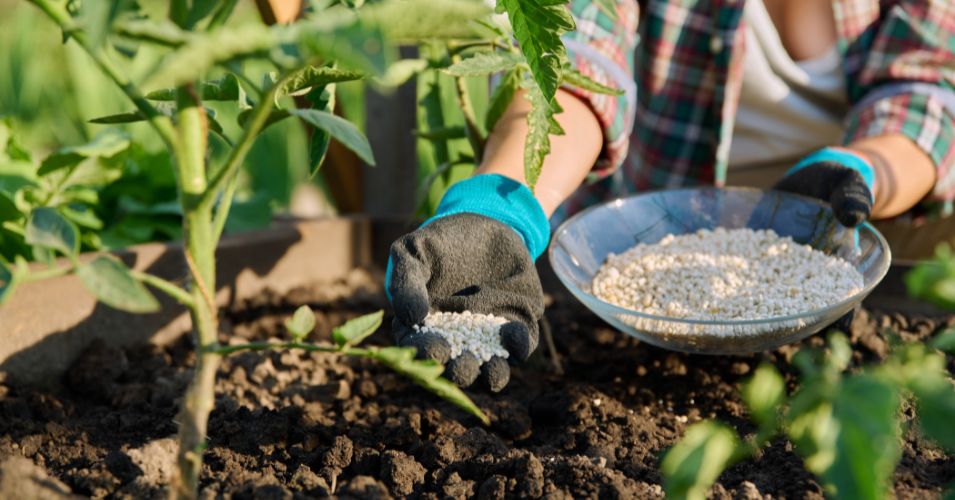
Spring is a season of fresh starts, brighter days, and renewed energy in the garden. After months of slow winter growth, plants begin reaching for sunlight and preparing for their busiest time of year.
During this critical transition, proper nutrition can make a powerful difference in how well they perform.
In this article, you will learn which plants benefit most from spring feeding and how to give them the nutrients they need. With simple steps and thoughtful timing, you can help your garden thrive from the very beginning of the season.
Why Spring Fertilizing Makes Such a Big Difference
Spring fertilizing plays a key role in helping plants recover from winter and prepare for months of active growth. After cold weather, most plants have used up stored energy and need fresh nutrients to rebuild strength.
During winter, soil nutrients slowly wash away through rain and melting snow. By early spring, many gardens are low in essential minerals that plants rely on for healthy development.
Fertilizer replaces these missing nutrients and gives roots the support they need to become active again. Strong roots allow plants to absorb water and minerals more efficiently.
As temperatures rise, plants begin producing new leaves, stems, and buds. This growth requires extra nitrogen, phosphorus, and potassium. Without enough of these elements, development may be weak or uneven.
Spring feeding also improves leaf color and thickness. Well-nourished plants tend to have richer green tones and firmer structure.
Another benefit is increased resistance to stress. Fertilized plants are better able to handle heat, dry spells, and minor pest problems later in the season.
Healthy nutrition supports flowering and fruiting as well. Plants that receive balanced nutrients in spring often produce more blooms and higher-quality harvests.
Timing matters as much as nutrients. Fertilizing too early can be wasted if roots are still inactive. Waiting until the soil warms slightly helps ensure proper absorption.
Slow-release fertilizers are especially useful in spring. They provide steady feeding over several weeks and reduce the risk of overfertilizing.
Liquid fertilizers work faster and are helpful for plants that show early signs of weakness. They deliver nutrients quickly through the roots.
Spring fertilizing also improves soil structure over time. Many organic fertilizers add beneficial microbes and organic matter.
These improvements increase moisture retention and oxygen flow around roots.
Consistent spring feeding builds a strong foundation. Plants that begin the season well-nourished usually remain healthier all year. By investing time in early fertilization, gardeners create conditions for long-lasting success and vibrant growth.
Flowering Plants That Need an Early Nutrient Boost
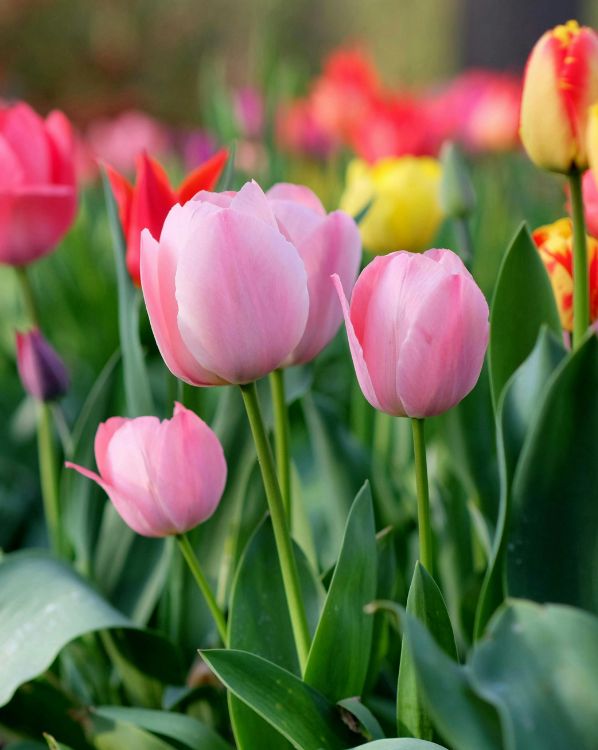
Flowering plants rely heavily on stored energy to produce colorful blooms. After winter, many of them need extra nutrition to begin the season strong.
Roses are one of the most demanding flowering plants. They require rich soil and regular feeding to support their large leaves and heavy blossoms. Applying fertilizer in early spring helps roses develop sturdy stems and abundant buds. Without proper feeding, flowers may be small or sparse.
Tulips, daffodils, and other spring bulbs also benefit from early nutrients. After blooming, they use fertilizer to rebuild bulbs for next year. Feeding bulbs shortly after flowering supports healthy storage and future performance.
Hydrangeas respond well to spring fertilizing as well. Balanced nutrients encourage strong branch growth and larger flower clusters.
Petunias, marigolds, and geraniums grow quickly and need frequent nourishment. Early feeding helps them establish before the summer heat arrives.
Peonies depend on spring nutrients to build thick stems that support heavy blooms. Weak feeding often leads to floppy flowers.
Daylilies also appreciate early fertilizing. It promotes lush foliage and longer blooming periods.
Camellias and azaleas benefit from acid-loving fertilizers in spring. These help maintain proper soil balance and improve flowering.
Hanging basket plants need special attention. Limited soil means nutrients wash away quickly, making spring feeding essential.
Perennials such as delphinium and garden phlox respond well to gentle early fertilization. This encourages fuller clumps and brighter flowers.
Always choose a fertilizer suited to flowering plants. Formulas with slightly higher phosphorus often support better bloom production.
Avoid overfeeding. Too much fertilizer can produce excess leaves and fewer flowers. Water thoroughly after fertilizing to help nutrients reach the roots.
With early and balanced feeding, flowering plants gain the strength they need to produce colorful displays that last throughout the growing season.
Trees and Shrubs That Benefit From Spring Feeding
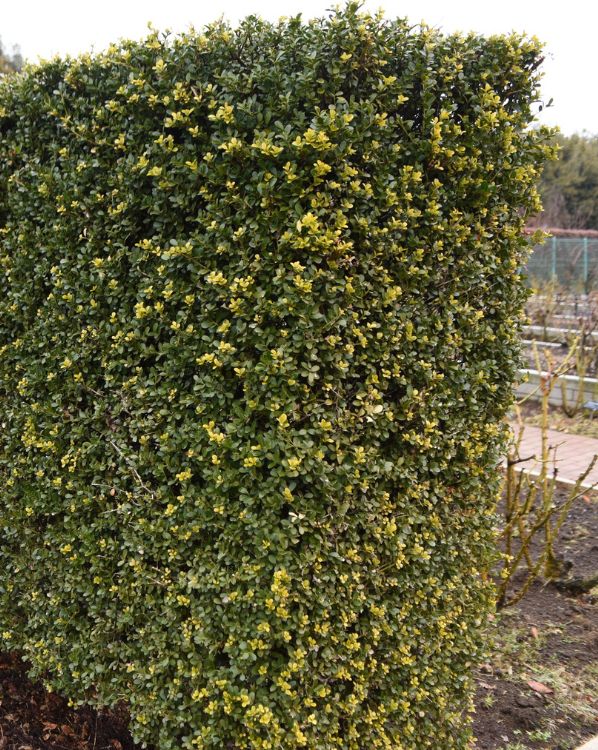
Trees and shrubs form the backbone of most landscapes. They provide shade, privacy, structure, and year-round beauty. Because of their size and long life, proper nutrition in spring is especially important.
During winter, woody plants slow their growth and rely on stored energy. By spring, many of those reserves are low and need to be replaced.
Early fertilizing helps trees and shrubs rebuild strength before leaves and buds fully develop. This support leads to healthier growth throughout the season.
Fruit trees such as apple, pear, and cherry benefit greatly from spring feeding. Nutrients help them produce stronger branches and higher-quality fruit.
Maple, oak, and birch trees also respond well to balanced fertilizer. It improves leaf color and supports steady trunk growth.
Evergreen trees like pine and spruce need spring nutrients to maintain dense needles and resist disease. Slow-release fertilizer works well for these plants.
Flowering shrubs such as lilac, forsythia, and viburnum use spring nutrients to prepare for heavy blooming. Proper feeding improves both flower size and quantity.
Hydrangeas and roses, which grow as shrubs, are especially hungry in spring. Regular feeding supports their rapid growth and frequent flowering cycles.
Boxwood and holly benefit from light spring fertilizing. It helps them maintain rich color and compact shape.
Before applying fertilizer, check soil moisture. Dry soil can cause root burn when fertilizer is added.
Spread fertilizer evenly around the drip line rather than close to the trunk. This is where most feeding roots are located.
Organic options such as compost, manure, and bone meal improve soil health over time. They release nutrients slowly and safely.
Synthetic fertilizers work faster but must be used carefully. Always follow label directions to avoid damage.
Water deeply after feeding. This moves nutrients into the root zone and prevents surface buildup.
Avoid fertilizing stressed or newly planted trees too heavily. Gentle feeding is safer during early establishment.
With thoughtful spring feeding, trees and shrubs grow stronger, resist stress better, and remain attractive for many years.
Lawns and Ground Covers That Respond to Spring Fertilizer
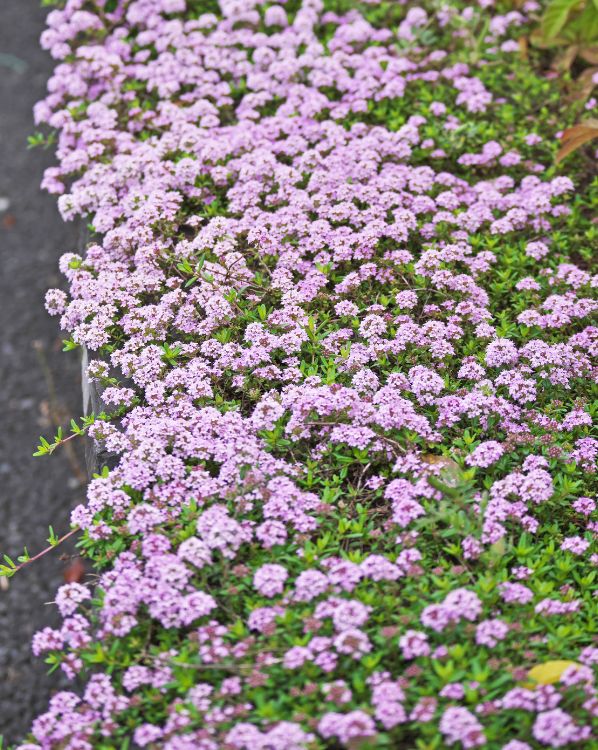
Lawns and ground covers often show the first signs of spring growth. As temperatures rise, grass and spreading plants begin waking up quickly.
After winter dormancy, turfgrass needs nutrients to rebuild roots and produce new blades. Spring fertilizer helps jump-start this process.
Nitrogen is essential for lawns. It supports leaf growth and a rich green color.
Cool-season grasses like fescue and bluegrass benefit from early spring feeding. It encourages thick growth and helps fill bare patches.
Warm-season grasses such as Bermuda and zoysia should be fertilized later in spring. Waiting until active growth begins prevents nutrient waste.
Using the right fertilizer for your grass type improves results and reduces stress.
Slow-release lawn fertilizers are ideal in spring. They provide steady nutrition and prevent sudden growth surges. Quick-release fertilizers act fast but require careful timing. Overuse can lead to burning and uneven color.
Ground covers also respond well to spring feeding. Plants like ivy, vinca, pachysandra, and creeping thyme benefit from light fertilization. Early nutrient application helps these plants spread evenly and suppress weeds naturally.
Fertilizing most ground covers improves leaf density and color. It also strengthens roots against heat and drought.
Before fertilizing, remove debris and rake dead grass. This allows nutrients to reach the soil more easily. Apply fertilizer evenly using a spreader when possible. Uneven application creates patchy growth.
Water thoroughly after feeding. Moist soil helps nutrients dissolve and enter the root zone. Avoid fertilizing before heavy rain. Runoff can wash nutrients away and harm nearby waterways.
Mowing should be done before fertilizing when possible. Shorter grass absorbs nutrients more efficiently. Do not overfeed. Too much fertilizer encourages weak growth and increases disease risk.
With proper spring feeding, lawns become thicker, greener, and more resilient, while ground covers form healthy living carpets that enhance your landscape.
Common Fertilizing Mistakes and How to Avoid Them
Fertilizing helps plants grow strong, but mistakes can easily undo those benefits. Many problems in the garden come from feeding plants the wrong way or at the wrong time. Learning what to avoid is just as important as knowing what to apply.
One of the most common errors is overfertilizing. More nutrients do not always mean better growth. Excess fertilizer can burn roots, damage leaves, and disrupt soil balance. Overfeeding often leads to weak, fast-growing stems that break easily and become more vulnerable to disease.
Another frequent mistake is fertilizing too early in spring. When the soil is still cold, roots cannot absorb nutrients properly. As a result, much of the fertilizer is wasted or washed away. Waiting until plants show active growth leads to better results.
Using the wrong type of fertilizer is also a significant problem. Lawns, flowers, trees, and vegetables all have different nutritional needs. A high nitrogen formula may help grass but reduce flowering in ornamental plants. Choosing the right product makes a big difference.
Many gardeners forget to read the label instructions carefully. Applying more than recommended can cause long-term soil damage and salt buildup. Properly measuring fertilizer helps protect plants and soil.
Uneven spreading creates patchy growth and burned areas. Dumping fertilizer in one spot overwhelms the roots, leaving nearby plants struggling. Using a spreader or distributing evenly by hand helps prevent this issue.
Skipping watering after fertilizing is another common mistake. Water helps dissolve nutrients and move them into the root zone. Without moisture, fertilizer may remain on the surface, damaging plant tissue.
Fertilizing stressed or dry plants is risky. Weak plants absorb nutrients poorly and may suffer further harm. Watering first allows roots to recover before feeding.
Ignoring soil quality also limits success. Poor soil cannot hold nutrients well, even with regular fertilizing. Adding compost improves structure and supports long-term fertility.
Finally, applying fertilizer before heavy rain leads to runoff and pollution. Valuable nutrients wash away before plants can use them. Checking weather forecasts helps protect both your garden and the environment.
By avoiding these common mistakes, you give your plants the best chance to grow healthy, balanced, and productive throughout the season.
Final Thoughts
Spring fertilizing is one of the most powerful tools for building a strong and beautiful garden. When plants receive proper nutrition at the right time, they develop healthier roots, stronger stems, and better stress resistance.
Success comes from balance rather than excess. Careful timing, correct products, and steady routines produce better results than heavy feeding. Small, thoughtful choices often lead to the most significant improvements.
By learning how to fertilize wisely and avoid common mistakes, you create a foundation for long-lasting growth and enjoyment. With patience and consistency, your garden will reward you with color, strength, and vitality year after year.