
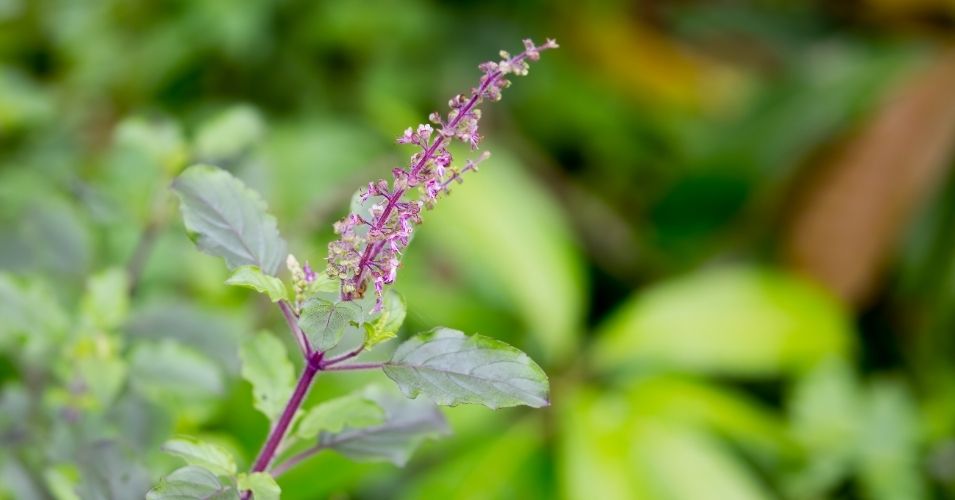
Basil is one of the most beloved herbs in the garden, valued for its fragrant leaves and versatility in the kitchen. Whether tossed into pasta, blended into pesto, or used to garnish fresh salads, basil adds a flavor that feels both refreshing and rich.
Yet many gardeners face the same question each season: should you let basil flower?
While the delicate blooms may look charming, they change the plant’s growth pattern and even alter the taste of the leaves.
Deciding whether to let basil flower depends on your goals, from cooking to seed saving to pollinator support.
How Flowering Affects Basil Leaves
When basil begins to flower, the plant shifts its energy away from producing lush, flavorful leaves and directs it toward seed production. This natural change is part of basil’s life cycle, but it has a noticeable impact on both the taste and the texture of the leaves.
Gardeners who grow basil primarily for cooking often find that once flowering starts, the leaves lose much of their tenderness and sweet flavor. Instead, they become tougher, more bitter, and less enjoyable in dishes where fresh basil is the star ingredient.
The bitterness develops because basil increases the production of compounds that support flower and seed development. These chemical changes not only alter flavor but also reduce the essential oils that give basil its signature aroma.
The vibrant scent that makes freshly picked basil so appealing is strongest before the plant flowers. As the blooms take over, the fragrance fades, leaving behind a less potent herb.
Another effect of flowering is the slowdown in leaf production. Before blooms appear, basil focuses on growing fresh, tender foliage. Once flowering begins, new leaf growth becomes limited, and the plant puts its strength into elongating stems and forming seed heads.
This often causes the plant to look leggy, with fewer leaves available for harvest. For gardeners who rely on a steady supply of basil for cooking, this change can be frustrating.
It is also worth noting that while the leaves may not be as appealing once flowering begins, they are still edible. Some cooks even use them in soups, stews, or infused oils where the stronger flavor can be balanced by other ingredients. However, for salads, pesto, and fresh garnishes, leaves harvested before flowering remain far superior in taste and texture.
In short, flowering marks a turning point in basil’s growth cycle. It changes the plant from a leafy herb into a reproductive powerhouse, leaving the gardener to decide whether to allow the process to continue or to pinch off the blooms to preserve flavor.
Reasons to Prevent Basil from Blooming
There are several compelling reasons why gardeners choose to stop basil from flowering, especially when the primary goal is to enjoy its leaves in cooking. The most important reason is flavor.
Basil that has not flowered produces sweeter, more aromatic leaves packed with the essential oils that make it such a prized culinary herb. By preventing flowering, you ensure that the plant continues directing energy into foliage rather than seeds, giving you a longer harvest of tender, delicious leaves.
Another reason to prevent basil from blooming is to extend the plant’s productive lifespan. Basil is an annual, which means that once it completes its flowering and seed-setting process, it naturally begins to decline.
By pinching off flower buds as they appear, you delay this decline, often keeping the plant vigorous well into the growing season. This means more harvests, more flavorful meals, and better use of the space in your garden or containers.
Pruning flower buds also improves the overall shape and size of the plant. When left to bloom, basil tends to grow tall and spindly, with fewer leaves along its stems.
Regularly pinching off buds encourages branching, creating a fuller, bushier plant with many more leaves to pick. This not only looks more attractive in the garden but also provides larger harvests for the kitchen.
Preventing flowering can also help reduce pest and disease issues. Once basil becomes stressed by focusing on reproduction, it can be more vulnerable to problems like fungal infections or insect infestations. A healthier, leaf-focused plant is often more resilient and less likely to suffer these issues.
Finally, keeping basil from flowering helps you get the most value from your plants. Rather than buying new seedlings halfway through the season, you can continue harvesting from the same plants for months. This makes basil more sustainable and more rewarding for gardeners who want fresh herbs at their fingertips.
By stopping basil from blooming, you preserve flavor, prolong the harvest, and encourage healthy, vigorous growth. For gardeners who prize basil for its leaves, preventing flowering is one of the simplest and most effective steps to take.
Benefits of Allowing Basil to Flower
Although many gardeners prefer to pinch off basil blooms, there are valuable reasons to allow the plant to flower. One of the most significant benefits is the role basil blossoms play in attracting pollinators.
Bees, butterflies, and other beneficial insects are drawn to the tiny white or purple flowers, and their presence supports the health of your entire garden. By offering nectar, flowering basil helps sustain pollinators, which in turn improve the productivity of fruiting plants such as tomatoes, peppers, and cucumbers.
A single patch of flowering basil can create a hub of activity that benefits your garden far beyond the herb itself.
Another benefit of letting basil flower is the ornamental value it brings. The delicate clusters of blooms add beauty to herb beds, containers, and borders. When basil is allowed to reach its full maturity, the flowers stand tall and create a soft, attractive contrast against the plant’s deep green foliage.
Some gardeners even plant basil as much for its decorative charm as for its culinary use. The sight of bees buzzing around blooming basil can add life and interest to a garden late in the season.
The flowers themselves are also edible, adding another layer of versatility. Basil blossoms have a milder flavor than the leaves, with a subtle sweetness that works well in salads, teas, and garnishes.
Sprinkling them over pasta or infusing them in vinegar creates unique flavors that highlight their delicate qualities. Allowing the plant to flower opens the door to exploring new culinary uses that many overlook.
Another advantage is that flowering marks the natural cycle of the plant, allowing it to complete its life stages. This can be particularly useful if you want to save seeds for future planting.
Without flowers, seed production cannot occur, so blooms are necessary for reproduction. Allowing at least some of your basil plants to flower ensures you have access to fresh seed stock without having to purchase more each year.
While flowering may reduce leaf production, the benefits for pollinators, garden health, and seed saving make it a worthwhile option for certain gardeners. By choosing which plants to let bloom and which to keep pinched back, you can enjoy the best of both worlds.
Saving Basil Seeds for Future Harvests
One of the most practical reasons to let basil flower is the opportunity to save seeds for the next growing season. Basil produces small black seeds in its flower spikes, and once matured, these seeds can be collected, stored, and replanted.
Saving seeds not only saves money but also allows you to preserve varieties that performed especially well in your garden. It is a simple yet rewarding process that connects you to the full life cycle of the plant.
The process begins by allowing basil flowers to bloom and fade naturally on the plant. As the blossoms dry out, seed pods form along the flower spikes. These pods eventually turn brown and brittle, signaling that the seeds inside are mature.
At this stage, the stalks can be cut and placed in a paper bag to continue drying indoors. Shaking the bag gently releases the tiny black seeds from the pods, making them easy to collect.
Proper storage is essential to maintaining the viability of basil seeds. Once collected, spread the seeds out for a few days to ensure they are fully dry, as any moisture can lead to mold. After drying, store them in labeled envelopes or small jars in a cool, dark place. When kept in prime condition, basil seeds remain viable for several years, giving you a reliable source of plants well into the future.
Another advantage of saving basil seeds is the ability to select seed for traits you enjoy. If you had a basil plant with especially fragrant leaves, vigorous growth, or good resistance to pests, saving its seeds allows you to continue those qualities in future generations.
Over time, you can even develop your own adapted strains that perform particularly well in your local conditions.
Saving seeds is also a way to share your garden with others. Extra seeds can be given to friends, family, or fellow gardeners, spreading the joy of growing basil. It is a sustainable and community-building practice that connects gardeners across seasons.
By letting basil flower and mature, you gain access to an endless cycle of plants grown from your own garden. This not only saves money and preserves favorite varieties but also adds satisfaction to your gardening experience, knowing that each new season is rooted in the care you gave the year before.
Striking a Balance in the Garden
When it comes to basil, the decision to let it flower or not does not have to be absolute. In fact, the most rewarding approach is often to strike a balance.
By selectively allowing some plants to bloom while keeping others pinched back, you can enjoy flavorful leaves for cooking while also reaping the benefits of flowers for pollinators and seeds.
This balanced method makes the most of basil’s versatility and helps you maintain a garden that is both productive and ecologically supportive.
For gardeners who grow multiple basil plants, it is easy to dedicate a few specifically for leaf harvest and others for flowering. The plants meant for leaves can be pruned regularly, which encourages branching and a bushier shape with more foliage.
The plants reserved for flowering can be left to develop blooms and eventually produce seeds. This way, you never sacrifice your supply of sweet, aromatic leaves while still supporting bees and butterflies that rely on late season nectar sources.
Even with just one or two basil plants, balance is possible. Instead of pinching every flower bud, allow one or two stems to bloom while keeping the rest trimmed. This still gives pollinators access to flowers without allowing the entire plant to shift its energy away from leaf production.
As a result, you continue to enjoy basil in your kitchen while also playing a role in sustaining local ecosystems.
Striking a balance also means paying attention to timing. Early in the season, it makes sense to focus on preventing flowers so you can harvest plenty of leaves for fresh dishes and pesto.
Later in the season, when you have already enjoyed months of abundant harvest, you may choose to allow plants to bloom. By this stage, the balance naturally shifts toward seed saving and pollinator support.
Another aspect of balance is experimenting with culinary uses of both leaves and flowers. While leaves are the star of pesto and salads, basil blossoms can be added to teas, syrups, and garnishes, creating unique flavors and expanding your kitchen creativity. This ensures nothing goes to waste and highlights the full potential of the plant.
By approaching basil with balance, you transform it from a single purpose herb into a multipurpose plant that feeds, supports, and delights in multiple ways.
This mindset encourages you to see basil not only as an ingredient but also as an integral part of your garden’s cycle of growth and renewal.
Final Thoughts
Basil is more than just a kitchen herb. It is a plant with multiple roles in the garden, from providing aromatic leaves to supporting pollinators and producing seeds for future harvests.
The decision to let basil flower depends on your priorities, but understanding the effects allows you to make the best choice for your needs.
Preventing flowers keeps leaves flavorful and extends harvests, while allowing blooms supports wildlife and seed saving. Many gardeners find that blending both approaches offers the greatest rewards, ensuring a constant supply of fresh leaves alongside ecological and practical benefits.
By learning when to pinch and when to let basil bloom, you create a thriving garden that nourishes your kitchen, supports the environment, and carries the joy of this herb from one season into the next.