
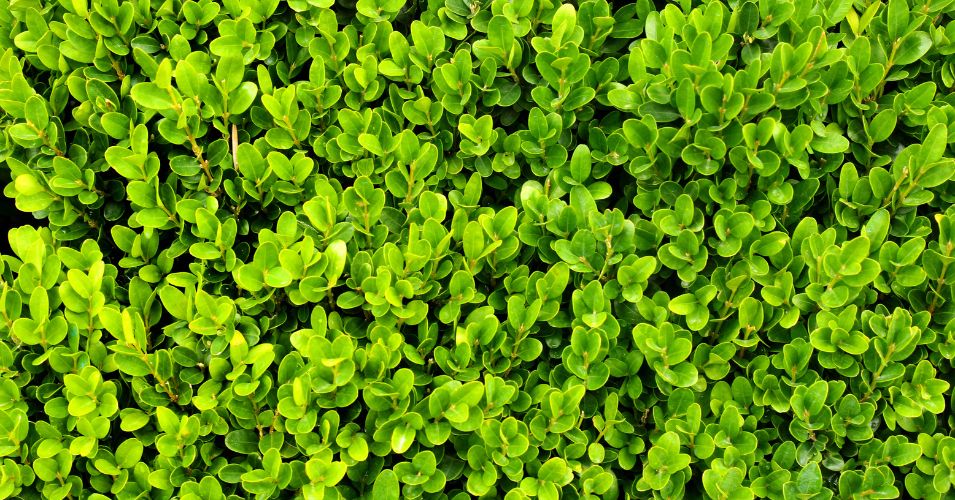
Boxwood does not suddenly stop needing attention when summer ends. While you may need less trimming and watering, what happens in fall can affect how well these evergreen shrubs handle the months ahead.
Fortunately, you don’t have a long list of complicated jobs to tackle. Fall care is mostly about keeping the soil from drying out, protecting the roots, watching for signs of trouble, and knowing when to leave the plant alone.
Spend a little time on your boxwood before cold weather settles in, and you can prevent common winter problems while setting the shrub up for healthy spring growth.
Give Boxwood the Right Amount of Water Before Winter
Fall rain can make it easy to forget about watering boxwood. After all, the days are cooler, growth has slowed, and the soil may stay damp longer than it did in July. Still, boxwood should not head into winter with dry roots.
Because boxwood is evergreen, its leaves remain on the plant through winter and keep losing moisture. Once the ground freezes, replacing that moisture becomes much harder. If the soil was already dry, the shrub has fewer resources to draw on during cold weather and drying wind.
You don’t need to reach for the hose every few days. Instead, let the weather guide you.
After a rainy week, established shrubs likely won’t need extra water. During a long stretch of dry fall weather, check the soil a few inches down. If it feels dry, water slowly and deeply around the root zone. A thorough soaking encourages moisture to move farther into the soil, where it will remain available longer.
Pay closer attention to boxwood planted within the past year. Its roots are still becoming established, so the shrub cannot search as widely for moisture as an older plant can. Boxwood growing in containers also needs regular checks because pots can dry out faster than garden soil.
You need to strike a balance. Boxwood does not appreciate sitting in wet, heavy soil, so frequent watering when the ground is already moist can cause more trouble than it prevents. Poor drainage is particularly worth watching after several days of autumn rain.
Keep checking conditions until the soil freezes. If late fall has been unusually dry, give your boxwood one good, deep drink before freezing temperatures settle in so it can face winter with adequately moist soil around its roots.
Refresh the Mulch to Protect Boxwood Roots
Before adding another bag of mulch around your boxwood, check what is already there. You might find that last season’s layer is still doing its job and only needs a little attention.
Mulch is especially useful around boxwood because much of the shrub’s root system sits fairly close to the soil surface. A layer of organic material helps slow moisture loss and shields the soil from abrupt temperature changes as fall turns colder.
If the existing mulch has become thin or has mostly decomposed, top it up with shredded bark, wood chips, pine bark, or another suitable organic material. Around 2 to 3 inches is generally enough. Spread it across the root area rather than concentrating it in a small circle immediately around the stems.
This is one garden job where being generous can backfire.
Piling on a thick mound of mulch may seem like extra winter protection, but too much can keep the area excessively damp and reduce airflow. The same goes for pushing mulch directly against the stems. Leave a little breathing room around the base of the shrub so moisture is not constantly trapped against the bark.
Fall is also a good time to tidy the area before putting down fresh mulch. Pull weeds and clear away fallen leaves, broken twigs, and other debris that has collected beneath the branches. While you are there, have a quick look at the lower stems and foliage for anything unusual.
Once the area is clean, spread the mulch in an even layer. You don’t need to build a perfectly shaped mound or make the bed look freshly landscaped. What matters is covering the root zone without burying the plant itself.
Done properly, this modest layer makes conditions around the roots more consistent as temperatures fall. It also helps the soil hold onto moisture from rain or fall watering, giving your boxwood a better-protected root zone when winter arrives.
Know When to Put Away the Pruning Shears
Boxwood can start looking a little unruly by fall. A few shoots may stick out from the main shape, while other branches seem to have grown wherever they pleased during summer. It is tempting to grab the pruning shears and straighten everything up before winter.
Try to resist that temptation.
Heavy pruning late in the season can encourage the shrub to put out fresh growth. While those soft new leaves might look healthy at first, they have little time to toughen up before temperatures drop. An early freeze can then damage them.
For that reason, fall is not the best time to reshape a boxwood hedge or cut an overgrown shrub back hard. A slightly messy outline will not hurt the plant over winter, and you can deal with those wandering branches at a more suitable pruning time.
However, there are a few branches worth removing.
If you find wood that is dead, broken, or clearly damaged, there is little reason to leave it hanging on the shrub. Diseased material may also need to come out. Make individual cuts where needed instead of trimming across the whole plant to make it look even.
Use sharp pruning shears to make clean cuts. It is also wise to clean the blades, particularly after cutting questionable or diseased growth. That small habit helps prevent you from carrying a problem from one part of the garden to another.
If all you are seeing is uneven growth, leave it alone for now. Boxwood does not need to look freshly clipped every month of the year.
There’s something useful about letting the shrub become a little less perfect in fall. You avoid triggering unnecessary new growth at exactly the time the plant should be preparing for colder weather.
So, after removing anything dead or damaged, permit yourself to stop. The boxwood can wait for its next proper trim.
Check for Pests, Disease, and Early Signs of Trouble
You can walk past a boxwood every day and still miss what is happening inside it. The thick outer foliage hides a surprising amount, which is why fall is a good time to move a few branches aside and see what is going on underneath.
Do not expect every leaf to look perfect. A handful of yellow or brown leaves may be old foliage or the result of earlier stress. Look for something that seems to be spreading or affecting a noticeable part of the shrub.
Bare patches are worth investigating. So are large numbers of discolored leaves, unusual spots, blackened stems, distorted foliage, webbing, or signs that something has been feeding on the leaves.
Also take a look underneath the foliage. Some pests are far less obvious from above, and a quick check of both sides of several leaves may reveal insects, eggs, or other signs that would otherwise stay hidden.
Then look down.
Leaves and bits of plant material often collect beneath dense boxwood. Rake out excessive debris, especially if the shrub has shown possible signs of disease. You will end up with a cleaner planting area and a much better view of what is happening around the lower stems.
One mistake to avoid is treating every brown patch as a disease. Boxwood foliage can look unhealthy after drought, excessive moisture, cold exposure, root problems, and other environmental stresses. A spray will not fix those issues.
If you find something you cannot identify, take a few good photos before cutting everything away. A local garden center, nursery, extension service, or plant diagnostic service may be able to help determine what you are dealing with.
You are not trying to give the shrub a full medical examination. Spend five or ten minutes checking the places you normally cannot see.
That is often enough to spot a developing problem while it is still limited to a small part of the plant.
Prepare Your Boxwood for Cold, Wind, and Snow
Boxwood is considered a hardy shrub, but where it grows can make a big difference once winter sets in. A plant tucked beside a house has a very different winter experience from one standing at the edge of an open, windy yard.
Cold wind can be particularly rough on evergreen foliage. Boxwood keeps its leaves through winter, so moisture continues to escape even in cold weather. If the ground is frozen, the roots cannot easily replace what is being lost. This can leave foliage dry, brown, or scorched by spring.
Recently planted boxwood is usually more vulnerable because its roots have not had much time to spread into the surrounding soil.
If your shrub is young or sits directly in the path of strong winter winds, a simple burlap screen can provide some shelter. Position it on the exposed side rather than wrapping the entire shrub tightly.
Snow calls for a lighter touch.
Most ordinary snowfall can stay where it lands. Trouble is more likely after a wet, heavy snowfall that weighs down the branches. If branches are bending under the weight, gently brush loose snow away. Work carefully and avoid pulling on stiff, frozen stems.
Ice is another matter. No matter how untidy an ice-covered shrub looks, trying to chip the ice away can easily break branches. Waiting for a natural thaw is usually the safer choice.
Also consider what happens around the shrub after you treat roads, driveways, and sidewalks for ice. Salty slush splashed onto foliage or piled around the roots can cause damage. Keep shoveled snow from treated surfaces away from boxwood whenever possible.
You don’t need to cover every boxwood just because winter is approaching. Older shrubs in protected locations often cope perfectly well without extra barriers.
Pay attention to exposure instead. Wind, heavy snow, road salt, and the plant’s age will tell you far more about how much winter protection your boxwood actually needs.
Final Thoughts
Boxwood does not ask for much in fall, and that is part of its appeal. A little attention before winter is usually more useful than a long list of seasonal chores.
Check the soil during dry weather and water when necessary. Keep the roots covered with a sensible layer of mulch, leave major pruning for another time, and take a closer look if the foliage seems unusual.
For shrubs in exposed parts of the yard, consider whether wind, snow, or road salt could become a problem once winter arrives.
No need to fuss over a healthy, established boxwood simply because temperatures are falling. Focus on what your particular shrub needs and leave the rest alone.
Do that, and you will have given it what matters most: a well-prepared root system, fewer sources of stress, and a good chance of coming through winter in healthy shape.