
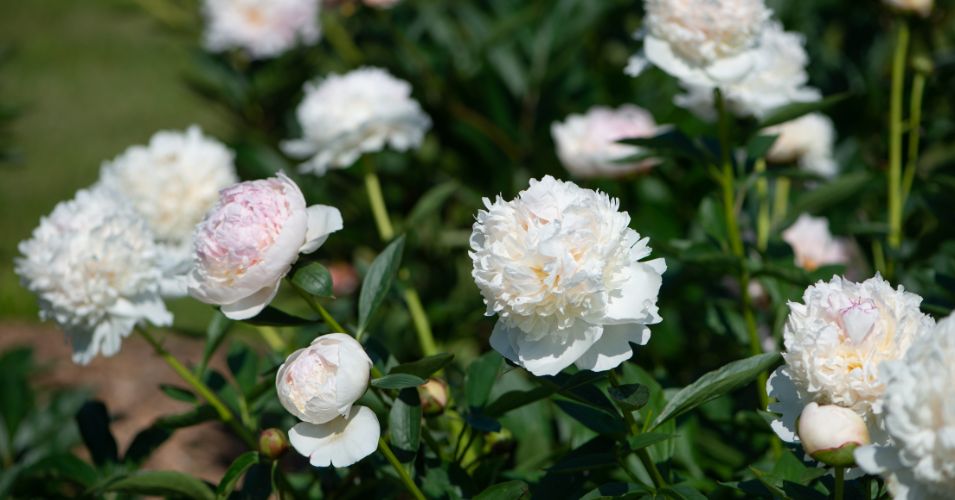
Peonies do not need much fuss in fall, but a little attention now can make a difference when they return next year.
As the leaves lose their color and the garden begins to slow down, it is time to tidy old growth, check the soil, and take care of any plants that need moving or dividing.
The trick is knowing what to do and what to leave alone. Cutting back too early or piling on fertilizer can cause more harm than good. With a few straightforward fall jobs, you can put your peonies to bed in good shape and look forward to fresh growth and flowers.
Know When to Start Fall Peony Care
There is no need to rush outside with the pruning shears as soon as summer ends. Peonies need time to wind down, and the plants themselves offer some of the best clues about when fall care should begin.
Watch the foliage first. Healthy peony leaves can stay green for weeks after the last flowers have disappeared, and while they are green, they are still doing an important job. The leaves keep using sunlight to make energy, which they send down to the roots and store for the next growing season.
Cutting the plant back while it is still green can shorten this process. Instead, leave healthy foliage alone until it starts turning yellow or brown, or wait until frost kills it back.
Exactly when this happens depends on where you live. A peony in a cold northern garden may be ready for cleanup much sooner than one growing in a place with a long, mild fall. Rather than choosing the same date every year, use the plant’s condition as your guide.
Disease is one reason you may need to act sooner.
Peonies can develop fungal problems that cause spotted, discolored, wilted, or moldy foliage. If parts of the plant are clearly diseased, removing the affected leaves and stems can help keep infected material from sitting around the plant.
While you are checking the foliage, also look at the soil and surrounding flower bed. Pull weeds growing close to the crown, and remove fallen leaves or other debris that has collected around the stems. This is also a good opportunity to see whether neighboring perennials have started crowding your peonies.
Most established peonies need surprisingly little attention at this point in the year.
The key is knowing when to leave them alone and when to step in. Give healthy foliage enough time to finish its job, then begin your fall cleanup once the plant has clearly started settling into dormancy.
Cut Back Peonies the Right Way
By late fall, an herbaceous peony can look pretty rough. Stems may flop onto the ground, leaves become brown and brittle, and the plant that looked spectacular in spring can seem like little more than a tangled pile of old growth.
That is your cue to clean it up.
Use sharp, clean pruning shears to cut the dead stems down close to the soil. Leaving tall stubs behind offers no benefit, but avoid digging or cutting into the crown while you work. Peony buds sit close to the soil surface and will produce the following year’s growth.
Once the stems are gone, pick up the loose leaves and scraps around the base rather than leaving them scattered across the bed.
This cleanup is particularly useful if your peonies had fungal trouble during summer. Some disease organisms can remain on infected plant material, so leaving old leaves and stems in place may give them a chance to survive into another season. It’s best to remove diseased material from the garden rather than toss it into a typical home compost pile.
Healthy foliage is less of a concern and may be composted if you normally compost garden waste.
Before cutting anything, though, make sure you know which kind of peony you have. Herbaceous peonies die back to the ground each year, but tree peonies do not. Their woody branches remain in place through winter and should never be chopped down simply because fall has arrived.
Tree peonies generally need only dead, damaged, or diseased growth removed at this time.
Itoh peonies fall somewhere between the two. Their soft upper growth dies back, while short, firmer sections may remain near the base. Remove the dead herbaceous stems without treating the plant exactly like a traditional herbaceous peony.
No need to complicate fall pruning. Wait until the plant has died back, use clean tools, remove the old growth, and clear away what falls around it.
A few minutes of careful work leaves the bed tidy and removes material you do not want hanging around your peonies all winter.
Water, Feed, and Mulch Before Winter
Peonies are not demanding plants in fall, and that is good news. Once flowering is long over and the leaves are fading, they do not need a complicated routine of fertilizers and soil treatments. A few well-timed jobs are usually enough.
Water mostly depends on what the weather has been doing. If rain has kept the ground comfortably moist, leave the hose alone. Peonies don’t appreciate soggy soil, especially as temperatures drop and moisture evaporates more slowly.
A dry fall is different. If the soil feels dry several inches below the surface, give the plant a deep watering rather than a quick sprinkle. You want moisture to reach the roots, not just darken the top layer of soil.
Pay extra attention to peonies planted or divided that fall. Their roots haven’t had much time to settle in, so they shouldn’t be allowed to dry out completely before winter arrives.
When it comes to fertilizer, more is definitely not better. Established peonies growing in decent garden soil may not need any fall fertilizer at all. If the soil could use some improvement, spreading a little finished compost around the plant is a simple option.
Just keep it away from the crown, rather than piling it directly over the plant.
Skip heavy applications of nitrogen-rich fertilizer. Peonies are preparing to rest at this point, not produce a fresh flush of leafy stems. Excess fertilizer can encourage the wrong kind of growth and will not guarantee bigger flowers next year.
Use mulch with the same restraint.
Older, established peonies are generally tough enough to handle winter without being buried under a thick layer. Newly planted peonies may appreciate some protection once the ground turns cold, especially in areas with severe winters.
A light covering of loose mulch can help reduce repeated freezing and thawing around the roots. Avoid creating a dense mound over the crown, since it can trap moisture and effectively make the plant sit deeper than intended.
For peonies in fall, a little care goes much further than a lot of fuss.
Fall Is the Best Time to Divide and Transplant Peonies
If a peony has been blooming happily in the same corner of the garden for years, there is no reason to divide it just because fall has arrived. These plants are famous for staying put, and an established clump can continue growing in one location for decades.
Sometimes the garden has other plans.
Perhaps a young tree has grown large enough to shade a formerly sunny bed. Maybe nearby shrubs are taking over, or you want to take part of an old peony and grow it somewhere else. Fall gives you a good opportunity to move the plant as it heads into dormancy.
Start after the foliage has begun to die back. Cut down the old stems, then dig a generous circle around the clump. Older peonies often have thick roots extending farther than expected, so digging right beside the crown is likely to slice through them.
Ease the root mass out of the ground rather than yanking it by the remaining stems.
If you only need to move the plant, keep as much of the root system intact as practical. For division, shake or gently wash away enough soil to see what you are working with. Look for the small buds on the crown. Gardeners often call these buds eyes.
Cut the clump into healthy pieces with a clean knife, making sure each division keeps several eyes and enough root.
Before replanting, choose the location carefully. A spot with good sunlight, decent air movement, and well-draining soil gives the plant a much better chance of flowering well.
Now comes the part that catches many gardeners out: planting depth.
The eyes of an herbaceous peony need to remain fairly close to the surface. In colder regions, around 1 to 2 inches of soil above the eyes is commonly recommended. Plant them much deeper, and you may end up with plenty of leaves but frustratingly few flowers.
Water the soil after planting to settle it around the roots, then give the peony time.
A newly divided plant may not put on a spectacular flower show straight away. It has roots to establish first, and that quiet work underground is worth waiting for.
Avoid These Common Fall Peony Mistakes
It is surprisingly easy to give peonies too much attention in fall. They are hardy, long-lived plants, and once the essential jobs are done, they are usually better off without much interference.
Cutting them back early is a good example. After flowering, the plant can start looking tired long before it is actually finished for the year. Those green leaves are still useful, so you don’t need to remove them to make the bed look tidier. Wait for the foliage to die back naturally.
Be just as cautious with fertilizer. A struggling peony is not always a hungry peony, and adding a large amount of plant food in fall is unlikely to fix poor flowering. Too much nitrogen can encourage leafy growth rather than helping with blooms.
Then take a look at what has accumulated around the base over the years. This can happen almost without notice.
A little compost gets added one season, mulch goes on another, and eventually the crown is sitting beneath far more material than it used to. Since herbaceous peonies can be fussy about planting depth, avoid repeatedly piling compost, mulch, or extra soil directly over them.
There is also no reason to dig around an established peony unless you actually intend to move or divide it. The roots are thick and can be damaged by enthusiastic digging, even when you are only trying to remove a stubborn weed nearby. Work carefully around the crown and leave the deeper soil alone.
Perhaps the easiest mistake of all is assuming every peony should be treated like an herbaceous variety. Tree peonies keep their woody framework, while Itoh peonies have their own growth habit. Before reaching for the pruning shears, know what is growing in front of you.
Fall care does not need to leave a peony bed looking perfectly groomed. Do the jobs that matter, avoid the ones that do not, and let the plants finish the season at their own pace.
Final Thoughts
Peonies have been garden favorites for generations partly because they ask for so little in return for their spectacular flowers. Fall care should follow that same simple approach.
You don’t need to fuss over them once the growing season winds down. Pay attention to what the plant is telling you, tackle the jobs that actually need doing, and resist the urge to keep adding fertilizer, mulch, or extra attention.
Most established peonies are perfectly happy to be left alone once their fall care is finished. In fact, a plant growing in the right spot may continue flowering there for decades.
So, when the last stems have been dealt with, and the garden starts looking a little bare, you can consider the job done. Your peonies have everything they need to rest until it is time to grow again.