
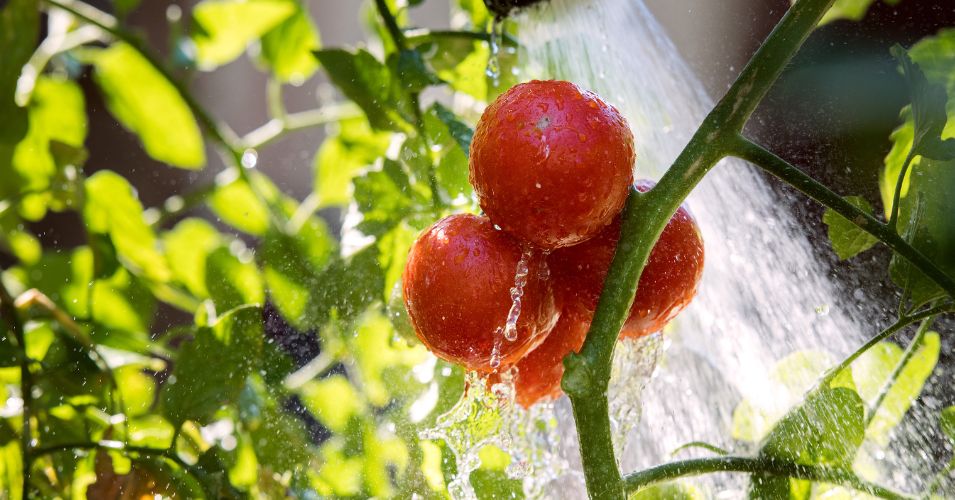
Tomatoes are one of the most rewarding crops to grow, but they can also be surprisingly picky about water.
Give them too little, and they become stressed. Give them too much, and you may end up with weak plants, cracked fruit, or unnecessary disease problems.
That is why so many gardeners wonder how often tomatoes really need to be watered. The answer is not the same for every garden. Weather, soil, and even the size of the plant all play a part.
Once you understand what your tomatoes are telling you, watering becomes much easier, and your harvest is likely to improve.
How Tomato Plants Use Water Throughout the Season
Tomatoes are not thirsty in the same way from spring to late summer. A newly planted seedling has very different needs than a tall plant covered in flowers and ripening fruit.
That is why a watering routine that worked in June may not be enough in July, or it could even be too much after a week of rain.
Right after planting, the goal is to help the roots settle into the soil. The ground should stay slightly moist, but it should never feel waterlogged. Depending on the weather, this usually means watering every couple of days. If temperatures suddenly climb or strong winds dry the soil, young plants may need water every day for a short time.
As the plants grow taller, their roots push farther into the ground in search of moisture. At this point, frequent light watering becomes less helpful. A slow, deep soak encourages the roots to keep growing downward, which makes the plants sturdier when summer heat arrives.
The biggest demand for water usually comes once tomatoes begin setting fruit. Developing tomatoes are mostly water, so the plant needs a dependable supply to keep everything growing properly. Allowing the soil to become bone dry before soaking it again often leads to cracked tomatoes or blossom-end rot. Steady moisture produces the best results.
Summer weather can change everything. A cool week with occasional showers might mean you barely need to water at all. A stretch of hot, sunny days can dry the soil surprisingly fast. In those conditions, some gardens need watering every day, while others with heavier soil can still go several days between watering.
Instead of treating every week the same, let the soil decide. Push a finger a couple of inches below the surface before reaching for the hose. If it still feels cool and damp, there is no reason to add more water. If it feels dry, give the plant a deep drink and let the moisture soak well below the surface.
Finding the Right Watering Schedule for Your Garden
Ask five gardeners how often they water tomatoes, and you may get five different answers. That is because the right schedule depends far more on your growing conditions than on the calendar.
A tomato growing in a large raised bed behaves very differently from one sitting in a pot on a sunny patio.
For tomatoes planted in the ground, watering two or three times a week is enough in many climates. The idea is to water thoroughly, then let the roots use that moisture before watering again. Constantly adding a little water every day often keeps the roots too close to the surface, making the plants less prepared for hot weather.
Container tomatoes are another story. Since a limited amount of soil surrounds the roots, they run out of moisture much faster. During warm weather, watering every day is often necessary. In the middle of a heat wave, you may even find that the soil has dried again by late afternoon.
The type of soil matters as much. Sandy soil drains quickly and rarely stays wet for long, so it usually needs more frequent watering. Soil with plenty of compost or natural clay holds moisture longer, allowing more time between waterings.
Many experienced gardeners also pay attention to the weather forecast before deciding whether to water. If heavy rain is expected that evening, watering in the morning may waste water. On the other hand, several dry, windy days in a row can empty the soil faster than expected.
There is no prize for watering tomatoes every day, and there is no benefit to waiting until the plants begin to wilt. The healthiest gardens usually fall somewhere in the middle. Water when the soil actually needs it, not because the clock says it is time. That simple habit does more for tomato plants than following any rigid schedule.
Signs Your Tomatoes Need More or Less Water
Tomatoes rarely stay quiet when they are unhappy. The trick is knowing which signals point to a watering problem and which ones are simply part of a hot summer day. Many gardeners reach for the hose too quickly, only to make the problem worse.
The first place to look is not the leaves but the soil. Dig a finger a couple of inches below the surface. If the soil is still cool and slightly damp, the plant probably has enough moisture, even if the leaves look a little tired in the afternoon.
Tomatoes often droop during the hottest part of the day and perk back up once the sun begins to fade.
When a plant truly needs water, the wilt usually sticks around into the evening or is already noticeable early in the morning. Growth may slow, flowers can drop before producing fruit, and developing tomatoes may stay smaller than expected.
The fruit often tells its own story. Tomatoes that split after a summer storm are usually reacting to a sudden rush of water after spending days in dry soil. Blossom-end rot is another clue that moisture has been inconsistent. The black patch on the bottom of the fruit is frustrating to see, but it is often the result of uneven watering rather than a lack of fertilizer.
Too much water causes problems that are just as noticeable. The lower leaves may begin turning yellow while the plant seems to lose its healthy green color. The soil stays wet long after watering, and new growth often looks sluggish. In severe cases, roots struggle to breathe, leaving the whole plant looking tired despite having plenty of water around it.
Instead of focusing on just one symptom, look at the whole picture. Feel the soil, check the weather, and take a good look at the plant from top to bottom. After a few weeks, you will start recognizing the difference between a tomato asking for a drink and one that needs a break from the afternoon heat.
Simple Ways to Keep Soil Moisture Consistent
Tomatoes are much easier to grow when the soil stays evenly moist. They do not expect perfect conditions every day, but they do appreciate consistency. A few small changes can keep moisture from disappearing too quickly, even during the hottest part of summer.
Mulch is one of the simplest improvements you can make. A layer of straw, chopped leaves, or untreated grass clippings keeps the sun from baking the soil and slows evaporation between waterings. It also means fewer weeds stealing moisture that should be feeding your tomato plants.
The way you water matters just as much as how often you do it. A slow soak gives the water time to move deep into the soil, where the roots can actually use it. Spraying the surface for a minute or two might make the garden look wet, but much of that moisture disappears before it reaches the deeper roots.
Large containers are another advantage if you grow tomatoes on a patio or deck. They hold more soil, which dries out much more slowly than small pots. That extra volume gives you a little breathing room during hot weather and makes daily watering less stressful.
Weather should always have the final say. A cloudy week with scattered showers calls for a different routine than several days of blazing sunshine. Sticking to a strict schedule without paying attention to conditions often leads to either soggy soil or thirsty plants.
It also pays to check your tomatoes every day, even if you do not water them every day. A quick walk through the garden takes only a minute, and you will often notice small changes before they become serious problems.
Healthy leaves, firm stems, and evenly developing fruit are all signs that your watering routine is working. When you build that simple habit, tomato care becomes much less of a guessing game.
Common Watering Mistakes That Can Reduce Your Harvest
Tomatoes are fairly forgiving, but a few watering habits can quietly limit how much fruit your plants produce. Many gardeners focus on watering often, when what really matters is watering well. Even healthy-looking plants can struggle if moisture levels swing too much from one week to the next.
A mistake many beginners make is giving plants a quick splash every evening. It feels like enough, but the water rarely reaches the deeper roots. Those roots stay close to the surface, where the soil dries out first. Before long, the plants begin depending on constant watering instead of developing the stronger root system that helps them through dry weather.
Watering on a schedule without looking at the soil causes trouble too. A cool spell after several rainy days can leave plenty of moisture below the surface, even if the top looks dry. Adding more water at that point does the roots no favors. On the other hand, a stretch of hot, windy weather can dry the soil much faster than expected, meaning the usual routine is suddenly no longer enough.
Where you aim the hose matters as well; water soaking into the soil around the base of the plant is far more useful than spraying the leaves. The roots are the part that needs the moisture, and keeping the foliage drier can help reduce disease problems during humid weather.
Many people also leave the soil uncovered throughout summer. That means the sun and wind pull moisture away every day, forcing more frequent watering than necessary. A layer of mulch helps slow that process and keeps conditions around the roots much steadier.
The best tomato growers rarely follow the same routine all season. They watch the weather, check the soil, and make small adjustments when conditions change. That flexible approach keeps plants healthier, reduces stress, and often leads to a bigger harvest by the end of summer.
Final Thoughts
Tomatoes do not need a complicated watering plan, but they do benefit from a little attention. The goal is not to water as often as possible. It is to keep the soil consistently moist without leaving it soaked for days at a time.
Some plants will need water every day during very hot weather, especially if they are growing in containers. Others can go several days between deep waterings without any trouble. The difference comes down to the weather, the soil, and the way the plants are being grown.
Spend a minute checking the soil before turning on the hose, and let the conditions guide your decisions. That simple habit will do more for your tomatoes than any fixed watering schedule and will help you enjoy healthier plants and a more satisfying harvest.