
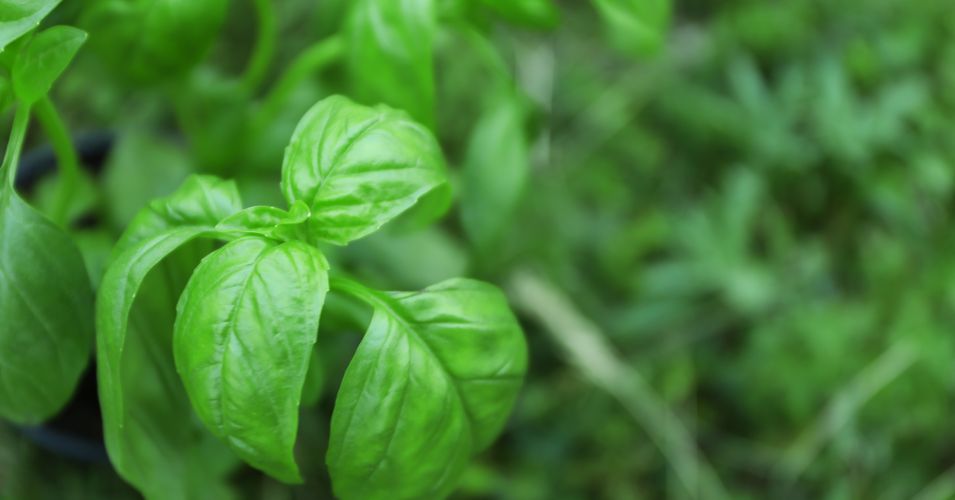
Basil is often one of the first herbs people add to their gardens. It grows quickly, smells incredible, and transforms everything from pasta to homemade pesto.
At first, it seems like the perfect plant for beginners. Then the season unfolds, and the experience is not always as straightforward as expected.
Wilting leaves, hungry pests, sudden flowering, and constant watering can turn early excitement into frustration.
While many gardeners keep growing basil year after year, others quietly stop planting it altogether. Understanding why that happens reveals that basil’s biggest challenge is not its flavor, but the care it often demands.
Many Gardeners Expect Basil to Be Foolproof
Basil has a way of winning people over before they even plant it. It is one of the herbs everyone seems to recommend, whether you are starting a vegetable garden, filling patio containers, or trying to grow something edible for the first time.
Friends talk about how fast it grows, gardening videos make it look effortless, and every nursery seems to have rows of healthy plants waiting to come home.
That creates a certain expectation. People assume basil will practically take care of itself. Give it sunshine, add a little water now and then, and fresh leaves will appear all summer. Compared to vegetables that take months to mature, basil feels like an easy win.
For a while, it often is. Young basil plants grow with surprising speed. New leaves unfold every few days, and the fresh scent makes even a small plant feel rewarding. Snipping off a handful for homemade pesto or a pasta dinner is satisfying because the plant usually bounces back quickly.
The confidence that comes with those early successes can be misleading. Basil changes as the season progresses. It becomes less forgiving when watering is inconsistent, and it responds quickly to changes in temperature. Miss a few days during a hot spell, and the leaves may droop dramatically. Leave the flowers untouched, and the plant starts putting its energy into producing seeds instead of fresh foliage.
These are not difficult jobs, but they are easy to overlook. Many new gardeners are surprised by how often basil needs attention compared with other herbs. Rosemary, thyme, and oregano can often handle a little neglect without much complaint. Basil rarely stays quiet for long when something is not quite right.
The biggest disappointment comes from the difference between expectation and reality.
People start the season believing basil is one of the easiest herbs they will ever grow. By the end of summer, they realize it rewards regular care more than casual gardening. That realization catches plenty of beginners off guard, especially those who hoped for a plant that would thrive with very little effort.
Constant Problems Turn Excitement Into Frustration
Nothing takes the fun out of gardening faster than solving the same problem over and over again.
That is exactly what happens to many basil growers. Just as one issue disappears, another seems ready to take its place. A plant that looked perfect a week ago suddenly has holes in its leaves. Another begins turning yellow for no obvious reason. Before long, growing basil feels less like a relaxing hobby and more like a puzzle that never stays solved.
Insects are often the first challenge. Tiny aphids gather on fresh growth, slugs chew through tender leaves overnight, and Japanese beetles can leave noticeable damage in a surprisingly short time. Even gardeners who check their plants regularly can miss the early signs until the population has grown.
Then come the diseases. Downy mildew is one of the most common reasons healthy-looking basil suddenly declines. Leaves develop pale patches before turning brown, and the plant can deteriorate much faster than many people expect. Fungal problems also become more common when humid weather settles in, or plants are packed too closely together.
Even experienced gardeners sometimes struggle to identify the real cause. Wilting could mean the soil is too dry, but it can also point to overwatering or damaged roots. Poor drainage, nutrient issues, or disease might cause yellow leaves. Because several problems can produce similar symptoms, finding the right solution is not always straightforward.
After dealing with enough setbacks, enthusiasm naturally fades. Instead of walking into the garden to collect fresh herbs for dinner, people begin looking for insects, checking leaves for spots, and wondering what might need fixing next. The simple pleasure that attracted them to basil starts disappearing beneath a growing list of maintenance tasks.
That is often the moment gardeners reconsider their choices. When other herbs produce reliable harvests with far less attention, it becomes easy to understand why basil sometimes loses its place in the garden, even among people who still love cooking with it.
Basil Can Be More Demanding Than People Realize
Basil has a reputation for being easy, but it also has a habit of exposing small gardening mistakes.
Miss a few days of watering during a hot spell, and the leaves can suddenly lose their firmness. Give it too much water after that, and the roots may struggle instead. The plant rarely keeps gardeners guessing about whether it is happy because it usually shows its frustration almost immediately.
That responsiveness can be helpful. It also means basil demands more attention than many people expect.
Unlike herbs that seem content growing in the background, basil benefits from regular check-ins. A quick look every few days helps spot flower buds, damaged leaves, or signs that the soil has become too dry. Skip those routine checks for long enough, and small issues often become much harder to fix.
Harvesting is another part of the learning curve. Many beginners pick the biggest leaves whenever they need them for dinner, believing that is all there is to it. In reality, basil grows far better when entire stem tips are pinched back. That simple habit encourages the plant to branch out, producing the bushy growth most gardeners hope to see.
Weather has a way of complicating things even further. Basil loves warm conditions, but it does not enjoy sudden swings in temperature. Cool nights can slow growth, while prolonged heat dries the soil surprisingly quickly, especially in containers. A plant that looked full of life on Friday can appear tired by Sunday after a particularly hot weekend.
None of this makes basil difficult in the traditional sense. It simply asks for consistency. Gardeners who enjoy tending their plants every day often see that as part of the experience.
Those with busier schedules sometimes come to a different conclusion. They begin looking around the garden and notice that other herbs continue growing happily with far less attention, making basil seem like the high-maintenance member of the herb bed.
Easier Herbs Often Take Basil’s Place
When a space opens up in the herb garden, it rarely stays empty for long. Gardeners are always experimenting, and many eventually replace basil with plants that ask for less while giving back just as much.
The decision is not usually made out of frustration alone. It often comes after noticing how effortlessly other herbs seem to grow under the very same conditions.
Rosemary is a common replacement. It can handle periods of dry weather that would leave basil struggling, and once established, it often keeps growing with very little fuss. A quick trim every so often is usually enough to keep it looking tidy.
Thyme has earned its loyal following for much the same reason. It spreads steadily, copes well with sunny spots, and rarely complains if life gets busy for a few days. Gardeners appreciate knowing they can head away for a weekend without returning to a plant that looks ready to give up.
Oregano builds a similar reputation over time. It grows with confidence, bounces back after harvesting, and often becomes one of the most reliable herbs in the garden. Some gardeners even find themselves cutting it back several times each season because it grows more enthusiastically than expected.
That contrast is difficult to ignore. While basil is asking for another drink, another pinch, or another pest inspection, nearby herbs continue doing their own thing without much encouragement. It is hardly surprising that people begin reaching for those dependable plants when deciding what deserves a permanent spot.
Even gardeners who stop growing basil rarely stop enjoying it. Many change how they get it. A fresh bunch from the local market is often enough for a recipe, and it comes without worrying about insects, flower spikes, or weather damage.
For some people, that turns out to be the perfect compromise. They still enjoy the unmistakable flavor of basil, but someone else takes care of growing it.
Why Some Gardeners Eventually Start Growing Basil Again
Not every gardener who gives up on basil stays away forever. In fact, plenty of people end up planting it again after taking a season or two off.
Sometimes it is because they miss the flavor. Sometimes it is because they walk past healthy basil plants at a nursery and decide it is worth another try. Whatever the reason, basil has a way of finding its way back into the garden.
The second attempt is often very different from the first. Instead of assuming the plant will look after itself, gardeners already know what to watch for. They notice flower buds before they become a problem, water a little more consistently during hot weather, and harvest the stems in a way that encourages new growth. Those small habits soon become routine.
Many people also simplify the process. Rather than filling an entire garden bed with basil, they grow one or two plants in containers close to the kitchen door. The plants are easier to keep an eye on, fresh leaves are always within reach, and regular watering becomes part of the daily routine instead of another job to remember.
Past mistakes can also become valuable lessons. A gardener who once planted basil in heavy shade is unlikely to repeat it. Someone who lost plants after overwatering often becomes much more careful with soil drainage the next time around. Every disappointing season teaches something that books and videos cannot.
There is also less pressure to grow perfect plants. Experienced gardeners know that a few holes in the leaves or the occasional insect are simply part of gardening. They stop expecting flawless basil and focus instead on producing enough healthy leaves for cooking. That shift alone makes growing the herb feel far more enjoyable.
Perhaps that is why basil keeps making a comeback. It may not be the easiest herb to grow, but few herbs are picked as often or appreciated as much once they make it to the kitchen. For many gardeners, that is reason enough to give it another place in the garden.
Final Thoughts
Basil is one of those herbs that people either stick with or quietly replace after a few frustrating seasons. It asks for more attention than its reputation suggests, and that catches plenty of gardeners by surprise.
Even so, its popularity has never really faded. Fresh basil still brings something to homemade pizza, pasta, salads, and pesto that dried herbs cannot match.
For some gardeners, buying a fresh bunch from the market is the easiest option. Others decide the extra effort is worthwhile because nothing compares to stepping outside and picking a handful of leaves just before dinner.
In the end, whether basil stays in the garden comes down to one simple question. Does the flavor make the extra care worth it? For many people, the answer is still yes.