
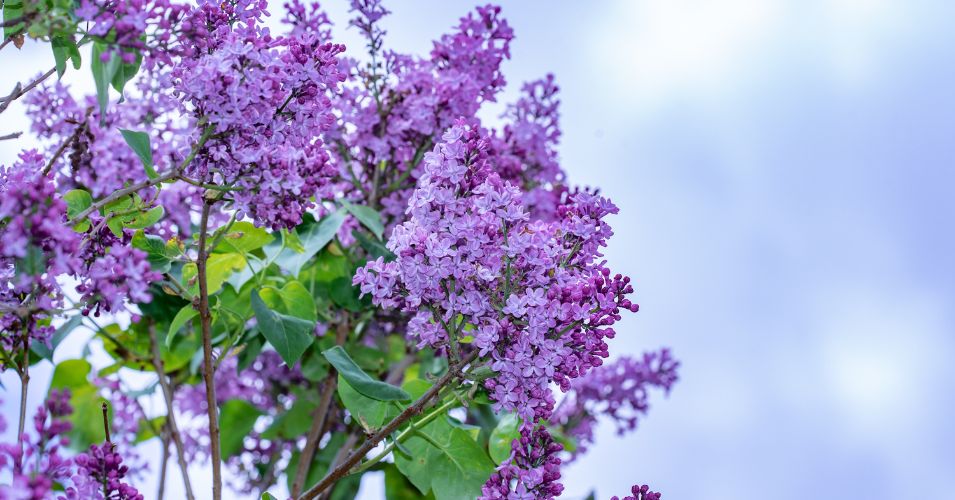
Few shrubs announce the arrival of spring quite like lilacs. Their fragrant flowers have been a familiar sight in home gardens for generations, and many people still associate their blooms with warm afternoons and childhood memories.
Yet despite their lasting appeal, fewer gardeners are choosing to plant them today. Some have even removed well-established shrubs in favor of newer alternatives. That might seem surprising at first, but there are several practical reasons behind the change.
From maintenance and bloom time to changing gardening trends, here’s why many gardeners have started looking beyond the classic lilac.
Lilacs Are Not as Low Maintenance as Many Expect
Lilacs are often recommended to beginners because they have a reputation for being easy to grow. Plant one, let it settle in, and enjoy beautiful flowers every spring. That is the picture many people have before adding a lilac to their yard.
Reality is often a little different. Lilacs can survive with very little attention, but surviving and producing impressive blooms every year are not the same thing. Once gardeners realize there is a difference, the shrub starts feeling like more work than they expected.
Pruning is where many people run into trouble. Lilacs form next year’s flower buds soon after the current blooms fade, so there is only a small window to trim them. Prune at the wrong time and the shrub may look perfectly healthy while producing very few flowers the following spring. It is an easy mistake to make, especially for gardeners who are used to shrubs that can be cut back almost whenever they like.
As lilacs mature, they also become less tidy. Older stems gradually lose their vigor, fresh growth becomes crowded, and flowering often declines. Bringing an old shrub back into shape usually means removing thick stems over several seasons rather than giving it one hard prune. It works, but it takes patience.
Growing conditions matter more than many people expect. Lilacs thrive in full sun and good air circulation. A nearby tree that creates extra shade or a crowded border that traps moisture can slowly reduce flowering and encourage problems such as powdery mildew. The shrub may still grow, yet it rarely looks its best.
None of these jobs are especially difficult on their own. Together, however, they add up. Many newer shrubs stay compact, bloom reliably, and ask for very little beyond occasional watering and light pruning.
Faced with those options, some gardeners decide that lilacs demand more attention than they are willing to give, even if the flowers are hard to resist.
Bloom Time Ends Far Too Quickly
Few shrubs can compete with lilacs when they are covered in flowers. Their fragrance drifts across the garden, bees gather around every cluster, and the whole plant suddenly becomes the center of attention. It is the kind of display people remember long after spring has passed.
Then it is over. For many varieties, the flowers last only a couple of weeks. Warm weather can shorten that period even more, while heavy rain or strong winds may spoil the blooms before they reach their peak. After waiting all year for the show, gardeners are sometimes left feeling it disappeared almost as soon as it began.
The contrast is what catches many people off guard. During bloom, a lilac feels like one of the most valuable plants in the garden. Once the flowers fade, it turns back into an ordinary green shrub for the rest of the season. It provides structure and foliage, but it no longer attracts the same attention.
That can be disappointing when space is limited. Every square foot of a garden has value, and many homeowners now look for plants that offer months of color instead of a brief burst in spring. Shrubs that flower repeatedly or change appearance through the seasons often seem like a better investment.
Timing adds another challenge. A busy week at work, a family trip, or a spell of poor weather can easily overlap with peak bloom. Some gardeners end up missing the best display altogether, leaving them with fading flowers by the time they finally have a chance to enjoy them.
None of this takes away from the charm of lilacs. Their fragrance is still one of the reasons so many people fall in love with gardening in the first place. Even so, gardeners who want long-lasting color often decide that a spectacular display lasting only a few weeks is no longer enough to earn a permanent place in the landscape.
Modern Landscapes Have Changed Garden Priorities
A few decades ago, it was common to see lilacs planted along property lines or standing proudly in the middle of a large backyard. They had room to spread, and few people worried about how much space they occupied.
Many gardens were designed around big shrubs that returned every year, even if they only flowered for a short time.
Today’s gardens tell a different story. Many homeowners have smaller yards, while others want outdoor spaces that are easier to manage. Every plant is expected to earn its place by offering something beyond a brief burst of spring flowers.
Long flowering seasons, colorful foliage, compact growth, and low maintenance have all become selling points.
That change has made life harder for traditional lilacs. A mature lilac can quickly become one of the largest shrubs in the garden. In a spacious country landscape, that is rarely a problem.
In a smaller suburban yard, it can block sunlight, crowd nearby plants, and make borders feel cramped. Some gardeners decide the space could be used more effectively by planting several smaller shrubs instead.
There has also been growing interest in native plants and wildlife-friendly gardens. Rather than focusing on one dramatic display, gardeners often choose plants that support pollinators for months instead of weeks. Shrubs that provide flowers, berries, or shelter across different seasons fit neatly into that approach.
None of this suggests lilacs have lost their beauty. They remain one of the most fragrant shrubs available, and many people would never dream of removing an established plant. Even so, gardening trends continue to evolve.
When someone starts with a blank landscape today, a lilac is no longer the automatic choice it once was. More options are competing for the same space, and many of them better match the way people garden today.
Common Lilac Problems That Frustrate Gardeners
Most gardeners expect to deal with the occasional plant problem. The frustration begins when the same shrub needs attention year after year while others nearby seem to grow happily on their own.
Lilacs can fall into that category. One of the biggest complaints is powdery mildew. By the end of summer, leaves may be covered with a pale white coating that makes an otherwise healthy shrub look tired. The disease is usually cosmetic, but that offers little comfort if the plant sits in a prominent part of the garden.
Flowering can be even more unpredictable. A lilac may produce plenty of fresh growth yet barely bloom at all. Sometimes the cause is too much shade. Other times it comes down to pruning at the wrong time or an unusually mild winter.
Whatever the reason, gardeners are often left staring at a leafy shrub that failed to deliver the spring display they had been waiting for.
Then there are the suckers. New shoots regularly appear around the base of many lilacs. If they are ignored, the shrub slowly spreads beyond its original space. Some gardeners welcome the extra growth because it creates a fuller screen. Others see it as another chore that keeps returning every season.
Older plants can become just as demanding. Thick, woody stems eventually produce fewer flowers, which means regular renewal pruning is needed to keep the shrub performing well. It is not difficult work, but it is another task that many newer shrubs do not require.
None of these issues is serious on its own. The problem is that they often arrive together. A shrub that flowers for only a few weeks suddenly also needs careful pruning, occasional disease management, and regular thinning.
At that point, it becomes much easier to understand why some gardeners decide their next flowering shrub will not be another lilac.
Why Some Gardeners Still Make Room for Lilacs
It would be easy to assume lilacs are slowly disappearing from home gardens, but that is only part of the story.
Plenty of gardeners still plant them on purpose, fully aware that they flower for only a short time and ask for more attention than some modern shrubs. They know exactly what they are getting, and they would not swap a lilac for anything else.
The reason is simple. Very few plants create the same atmosphere when they bloom. A single mature lilac can perfume an entire yard, and the fragrance is strong enough to drift through open windows or greet you before you even reach the garden.
It is one of those scents people remember for years, often because it reminds them of a childhood home or a relative’s garden.
That emotional connection matters more than many gardening guides suggest. Some plants are chosen because they solve a landscaping problem. Lilacs are often planted because they make people feel something. They bring back memories, mark the arrival of spring, and become part of the routine people look forward to every year.
Gardeners also have more choices than they did in the past. Compact varieties fit comfortably into smaller gardens, while newer cultivars have been bred with better disease resistance and stronger flowering habits. They still have the familiar charm of traditional lilacs, but they are often easier to manage in modern landscapes.
For many people, the short bloom period is not a drawback at all. In fact, it is part of what makes the flowers so special. They appear, put on an unforgettable display, and disappear again before they lose their appeal. That brief window gives gardeners something to anticipate instead of taking it for granted.
Lilacs may no longer dominate garden centers the way they once did, but they have earned a place that trends cannot easily replace. As long as people value fragrance as much as flowers, there will always be room for at least one lilac somewhere in the garden.
Final Thoughts
Gardening has changed, and the plants people choose have changed with it. Longer flowering seasons, compact growth, and lower maintenance now sit at the top of many wish lists, so it is no surprise that some gardeners decide a lilac no longer fits their plans.
That does not make the shrub outdated. It simply means expectations have changed.
For gardeners who want continuous color from spring until fall, there are better choices. For those who look forward to that unmistakable fragrance and a few unforgettable weeks of bloom each year, lilacs still offer something difficult to replace.
The best plants are not always the ones that flower the longest. Sometimes they are the ones people remember long after the season has passed, and that is exactly where lilacs continue to shine.