
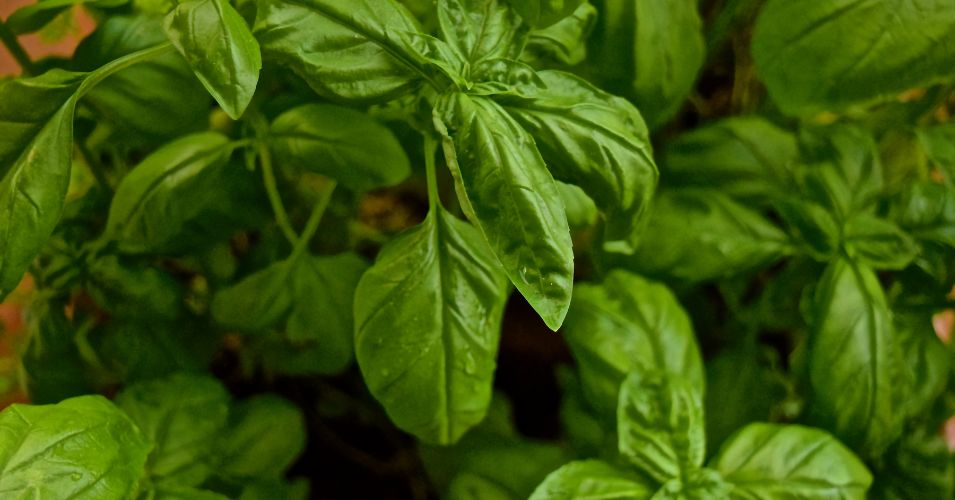
Basil is one of the most rewarding herbs to grow, but knowing how often to water it can be surprisingly confusing.
Some gardeners water every day, while others only reach for the watering can when the soil feels dry. The truth is that basil does not follow a one-size-fits-all schedule. Its watering needs change depending on the weather, the season, and where it is growing.
Getting it right helps the plant produce plenty of fresh, flavorful leaves, while too much or too little water can quickly lead to problems. This guide explains exactly when and how to water basil for the best results.
How Often to Water Basil
Basil usually does not need watering every day, but there are exceptions. Most healthy basil plants need water every two to three days during the growing season, although the exact timing depends on the weather, the soil, and whether the plant is growing in a pot or in the ground.
Container-grown basil dries out much faster than basil planted in a garden bed. During a hot summer, a potted basil plant in full sun may need water every day because the soil dries out quickly.
Newly planted basil also needs closer attention than an established plant. During the first week or two after planting or transplanting, check the soil daily because the roots are still settling in. Once the plant becomes established, you can usually reduce how often you water.
In cooler weather or partial shade, the same plant might only need watering every few days. Garden basil often goes longer between waterings because the surrounding soil holds moisture for much longer.
The type of soil also makes a difference. Sandy soil drains quickly and dries out faster, while heavier soil holds moisture for longer. Basil grows best in well-draining soil that stays evenly moist without becoming waterlogged.
Rather than following a strict schedule, check the soil before watering. Push your finger about an inch into the soil. If it feels dry, give the plant a thorough watering. If it still feels damp, wait another day and check again. This simple test is far more accurate than watering on the same days each week.
The goal is to keep the soil evenly moist without leaving it soaking wet. Basil enjoys consistent moisture, but its roots also need air. Soil that stays saturated can damage the roots, while soil that dries out completely often causes leaves to wilt and growth to slow.
You can also let the plant guide you. Healthy basil has firm stems and vibrant green leaves. If the leaves begin to droop but the soil feels dry, it is probably time to water. If the leaves droop even though the soil is wet, too much water may be the problem instead.
In most cases, basil only needs daily watering during very hot weather or when it is growing in a small container. For the rest of the season, checking the soil regularly will give you much better results than watering every day out of habit.
Basil’s Water Needs Throughout the Year
Yes. Basil’s watering needs change from season to season because the weather changes how quickly the soil dries. A plant that needs water almost every day in midsummer may only need it once or twice a week during cooler parts of the year.
Spring is usually the easiest season to manage. Temperatures are mild, sunlight is less intense, and the soil holds moisture for longer. Most basil plants only need watering every few days, although young plants should be checked more often while they establish their roots.
Summer is when basil becomes thirstiest. Hot temperatures, strong sunlight, and dry winds all accelerate moisture loss. Potted basil in full sun may need watering every day, especially during heatwaves.
Humidity also plays a role. During dry weather, moisture evaporates much faster, so basil usually needs watering more often. In humid conditions, the soil often stays moist for longer, allowing you to wait a little longer between waterings.
Basil growing in the ground usually does not dry out as quickly, but it should still be checked regularly because extended periods of hot weather can quickly dry the soil.
As summer gives way to fall, growth slows and evaporation decreases. The soil stays moist for longer, so watering every day is rarely necessary. Many gardeners find they can gradually reduce watering as temperatures become more comfortable.
Winter is different depending on where the basil is growing. Outdoor basil is unlikely to survive frost, so watering becomes less of a concern once the growing season ends.
Indoor basil can continue producing leaves throughout winter, but it grows more slowly because there are fewer hours of sunlight. As a result, it usually needs less water than it did during summer.
The best approach is to let the season guide your routine rather than sticking to the same schedule year-round. Daily watering is only needed under specific conditions, such as extreme heat or fast-drying containers.
During most of the year, basil performs much better when you water according to the soil’s moisture rather than the calendar.
Is Indoor Basil Watered Differently From Outdoor Basil?
Although indoor and outdoor basil are the same plant, they rarely need the same watering routine. The difference comes down to how quickly the soil dries, which is affected by sunlight, temperature, wind, and rainfall.
Indoor basil usually grows in a pot on a sunny windowsill. Since it is protected from wind and rain, the soil tends to dry out at a steady pace.
Indoor heating and air conditioning can also dry out the soil more quickly than you might expect. If your basil sits near a heating vent or an air conditioner, you may find it needs watering more often than other indoor plants.
Most indoor plants need watering every few days, although those sitting in bright south-facing windows may need water more often than plants in cooler rooms with less sunlight.
Outdoor basil is much less predictable. A week of cool, cloudy weather can keep the soil moist for days, while a few hot afternoons may dry it out surprisingly fast. Rain can also do some of the work for you, meaning there are times when you will not need to water at all.
Where the basil is planted also matters. Plants growing directly in the ground usually stay moist for longer because they have access to a much larger volume of soil.
Basil in containers dries out much faster, especially if the pot is small. Terracotta pots lose moisture more quickly than plastic or glazed pots, so they often need watering more frequently during warm weather.
Rather than trying to follow separate watering schedules for indoor and outdoor basil, pay attention to how quickly the soil dries in each location. Over time, you’ll find a routine that suits your growing conditions much better than a fixed schedule.
There is no advantage to watering on the same days every week. A plant sitting outside during a heatwave could need water every day, while an indoor basil growing in stable conditions may only need water twice a week.
Paying attention to the soil will always give you a better answer than following a schedule.
How to Tell If Basil Needs More or Less Water
One of the biggest mistakes gardeners make is watering basil as soon as the leaves begin to droop.
While wilting often means the plant is thirsty, it can also be a sign that the roots have been sitting in too much water. That is why the soil should always be checked before you decide what to do next.
Start by pressing your finger about an inch into the soil. If it feels dry, your basil is ready for a deep watering. If it still feels damp, adding more water is likely to make the problem worse.
An underwatered basil plant usually looks tired. The leaves lose their firmness, the stems begin to bend, and the whole plant may appear limp during the hottest part of the day. If the soil is dry, a thorough watering is often enough to bring the plant back within a few hours.
Overwatered basil behaves differently. The leaves often turn pale green or yellow instead of simply drooping. Growth slows, the soil remains wet for several days, and the plant may continue to look unhealthy even after watering. In severe cases, the roots begin to rot, making it difficult for the plant to take up moisture.
It also helps to pay attention to new growth. Healthy basil regularly produces fresh leaves from the tips of its stems. If new growth suddenly stops or the leaves become smaller than usual, watering habits are among the first things to check.
The good news is that basil usually gives you plenty of warning before serious damage occurs. After a little time, you’ll begin to recognize your plant’s normal appearance and notice when something changes.
Over time, it becomes much easier to spot the difference between a thirsty basil plant and one that has already had too much to drink.
What Is the Best Way to Water Basil?
The best way to water basil is to give the soil a deep soak when it needs moisture, rather than adding a small amount of water every day.
Deep watering encourages the roots to grow further into the soil, helping the plant stay stronger during warm weather. A quick splash only wets the surface and often dries out within a few hours.
Pour the water slowly around the base of the plant until the soil is evenly moist. Try to avoid soaking the leaves unless you are simply rinsing away dust or pests. Keeping the foliage dry reduces the chance of fungal diseases, especially when the weather is humid.
If your basil is growing in a pot, make sure excess water can drain out of the bottom. Good drainage is just as important as watering itself. A pot that holds water around the roots for too long can cause more problems than soil that becomes slightly dry between waterings.
The time of day also makes a difference. Morning is the best time to water because the plant has the rest of the day to absorb moisture before temperatures rise. It also allows any water on the leaves to dry quickly. Watering during the hottest part of the afternoon is less efficient because more moisture is lost to evaporation before the roots can use it.
Outdoor basil can also benefit from a thin layer of mulch around the base of the plant. Mulch helps keep the soil cooler and slows moisture loss during hot weather, so you may not have to water as often.
Even if two basil plants are growing side by side, they may not need water at the same time. Differences in sunlight, soil, and container size can all affect how quickly moisture is used.
Staying flexible with your watering routine will help keep your basil healthy from spring until the end of the growing season.
Final Thoughts
There is no perfect watering schedule for basil because growing conditions are always changing. Some plants may need water every day during a hot spell, while others stay happy with a thorough watering every few days.
Instead of trying to follow a calendar, let the soil tell you what the plant needs. Check the top inch before watering, adjust your routine as the seasons change, and always make sure excess water can drain away.
Once you get into that habit, keeping basil healthy becomes much easier, and you will be rewarded with a steady supply of fresh, aromatic leaves throughout the season.