
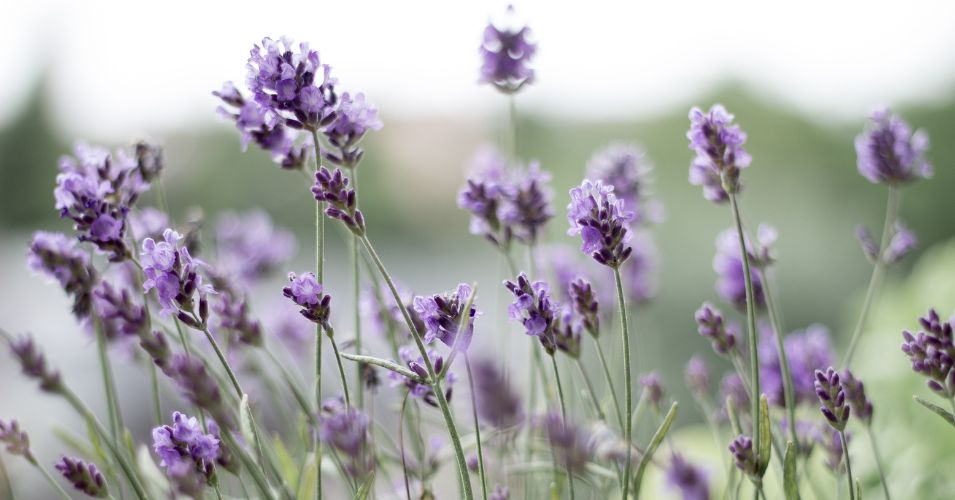
Lavender has a way of making any garden feel more inviting. Its fragrant flowers, soft purple tones, and silvery foliage bring color and texture to borders, pathways, and containers throughout the growing season.
While it is beautiful on its own, lavender often performs even better when surrounded by the right plants. Good companion planting is not only about appearance. It also helps create a healthier garden where plants share similar growing conditions and attract plenty of pollinators.
Whether you are starting a new flower bed or updating an existing one, choosing the right companions will help your lavender thrive while keeping your garden looking its best.
Why Companion Planting Works So Well With Lavender
Lavender is one of those plants that seems to make everything around it look better.
Its soft purple flowers, silvery foliage, and distinctive fragrance naturally stand out, but its value goes beyond appearance. When paired with plants that enjoy the same growing conditions, lavender becomes part of a planting scheme that is both practical and attractive.
Instead of treating every section of the garden differently, you can grow several plants together that all appreciate the same amount of sun, soil, and water.
That shared preference is one of the biggest reasons companion planting works so well with lavender. It thrives in full sun and well-drained soil, and once established, it does not need frequent watering.
Growing it next to moisture-loving plants often creates problems because one or the other usually receives the wrong level of care. Choosing companions that prefer drier conditions keeps maintenance simple and reduces the risk of root rot or other moisture-related issues.
Lavender also brings plenty of activity into the garden. During its flowering season, the blooms attract bees, butterflies, hoverflies, and other beneficial insects that move from plant to plant in search of nectar.
A garden filled with pollinators often produces healthier flowers and creates a more vibrant outdoor space throughout the warmer months.
Many gardeners also appreciate lavender for its strong fragrance. Although it is not a guaranteed way to keep pests away, its aromatic foliage is often used in gardens to encourage beneficial insects while making the space less appealing to certain unwanted visitors.
It works best as one part of a balanced garden rather than a standalone solution.
Companion planting also creates a more interesting display. Lavender’s upright flower spikes pair beautifully with rounded blooms, delicate grasses, and plants with bold foliage.
Mixing different heights, textures, and flowering times keeps borders looking full from spring through autumn, rather than leaving gaps once a single plant finishes blooming.
The result is a garden that is easier to manage, more welcoming to pollinators, and visually appealing for much longer.
The Best Flowering Plants to Grow With Lavender
Not every flowering plant makes a good neighbor for lavender, but plenty of popular garden favorites do. The best choices enjoy sunny locations, cope well with dry soil, and do not need constant watering.
They also add something different to the display, whether that is a new flower shape, a fresh burst of color, or a longer flowering season.
Coneflowers are one of the easiest plants to pair with lavender. Their large, daisy-like blooms create a striking contrast with lavender’s slender flower spikes, giving borders a fuller appearance without looking overcrowded.
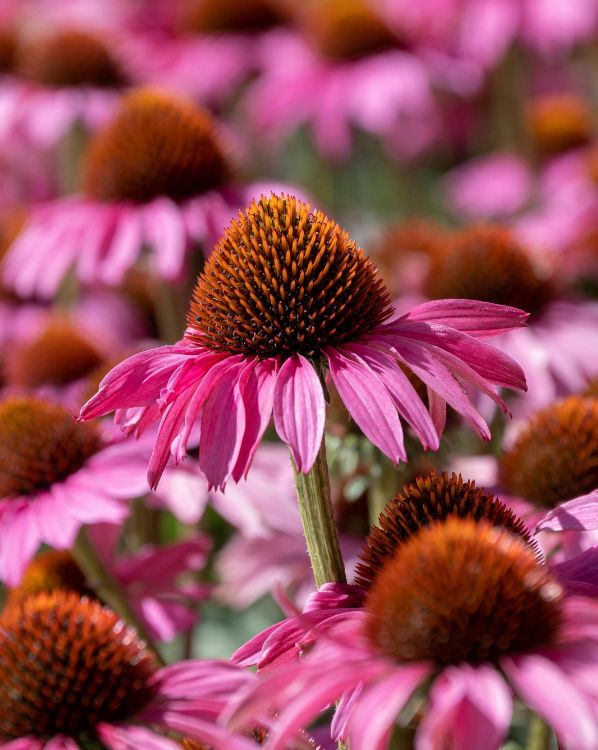
Both plants bloom through much of summer, and they attract many of the same pollinators. Once established, coneflowers are also happy in dry conditions, making them just as easy to care for as lavender.
Yarrow is another excellent companion. Its flat clusters of flowers bring a completely different texture to the garden, helping break up the repeated shape of taller flowering plants.
Available in white, yellow, pink, red, and soft peach shades, yarrow can either blend with lavender’s cool colors or provide a brighter contrast. Like lavender, it performs well in poor soil and rarely asks for much attention once it has settled in.
Salvia is another reliable choice because it shares almost identical growing requirements. The upright flower spikes create a natural partnership with lavender while extending the display with additional shades of blue, purple, pink, or white.
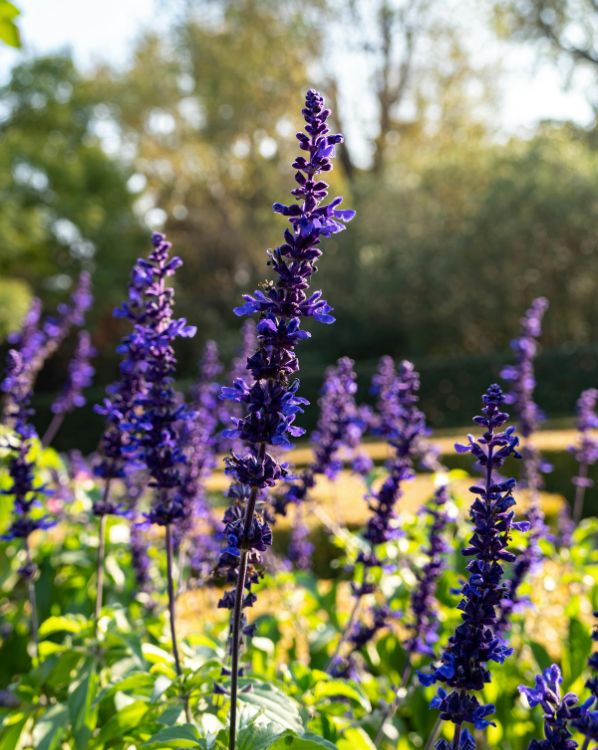
Many salvia varieties continue to flower for weeks when spent blooms are removed, helping to keep the border colorful after lavender reaches its peak.
Bees and butterflies are equally fond of both plants, so combining them often turns even a small flower bed into a busy feeding spot throughout the summer.
Growing these flowers together creates a garden that looks balanced without becoming overly formal. Each plant has its own character, yet they all thrive under the same conditions, making the combination both beautiful and easy to maintain.
Herbs That Grow Well Alongside Lavender
Lavender feels right at home in a herb garden. It shares its Mediterranean roots with several popular culinary herbs, which means they enjoy many of the same conditions.
Plenty of sunshine, well-drained soil, and only moderate watering are usually all they need. Instead of caring for each plant differently, you can treat the whole bed much the same way, making it an easy part of the garden to manage.
Rosemary is one of the best companions you can choose. Both plants cope well with heat and dry spells once established, and neither enjoys sitting in wet soil.
Rosemary keeps its evergreen foliage year-round, so even after lavender has finished flowering, the planting still has plenty of color and structure. If the bed is close to a path or patio, brushing past the leaves releases a fresh, herbal scent that makes the space even more enjoyable.
Sage is another herb that pairs naturally with lavender. Its soft, grey-green leaves create a nice contrast against lavender’s narrow foliage, making the planting look more interesting without adding extra colors.
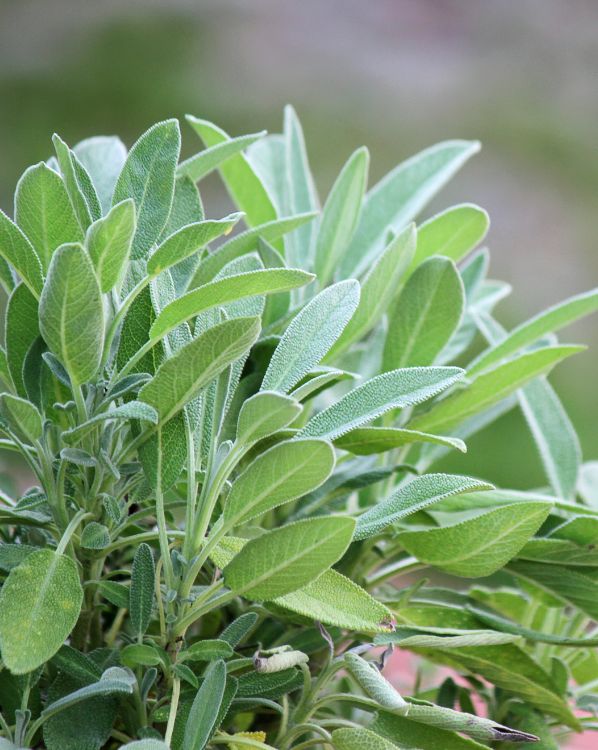
When sage flowers, it attracts bees just as readily as lavender does, turning the garden into a busy feeding spot throughout late spring and summer.
For the front of the border, thyme is hard to beat. Many varieties spread gently across the soil rather than growing upright, helping to fill empty spaces around taller plants.
Tiny flowers appear during the warmer months, bringing in even more pollinators, while the dense growth helps reduce bare patches between plants. Like lavender, thyme thrives in sunny positions and rarely needs much attention once it has settled in.
Together, these herbs create a planting that is both practical and attractive. You can harvest them for the kitchen, enjoy their fragrance outdoors, and grow them with very little fuss, making them ideal partners for lavender.
Shrubs and Perennials That Complement Lavender
If you want your lavender border to look full for longer, adding a few carefully chosen shrubs and perennials is a simple way to do it.
These plants bring different shapes and flowering times, which helps the garden change gradually instead of reaching its peak all at once. Since they enjoy the same sunny, well-drained conditions as lavender, they can all be grown together without needing separate care routines.
Russian sage is often mistaken for lavender at first glance because of its soft purple flowers, but the two plants have very different forms. Russian sage grows taller and has an airy habit that lets other plants show through rather than hide them.
When the wind picks up, the flowering stems move gently, giving the border a lighter, more relaxed appearance.
Catmint offers a slightly softer look. Its rounded clumps of grey-green foliage sit neatly beneath clouds of blue-violet flowers that bloom for weeks.
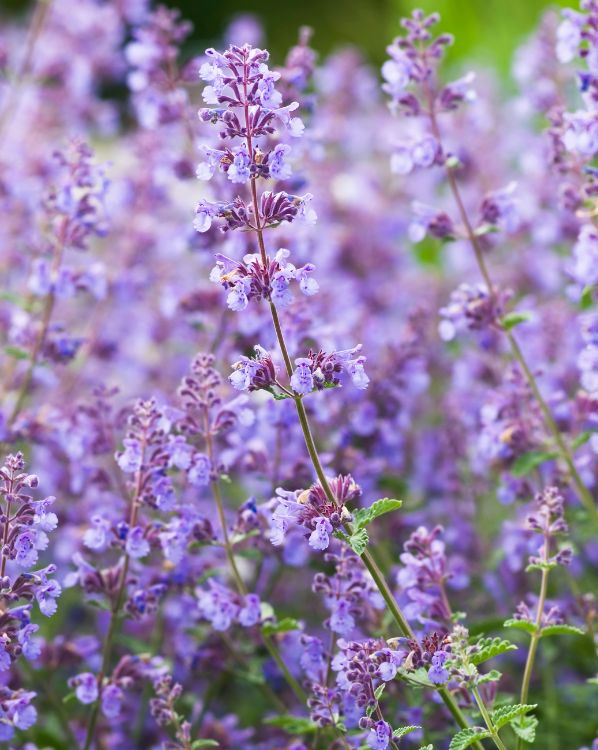
Cutting the plant back after its first flush often encourages another display later in the season, helping to keep color in the border after lavender begins to fade. Bees seem just as attracted to catmint as they are to lavender, so the two are often buzzing with activity on warm days.
Sedum adds contrast in a completely different way. Instead of relying on slender stems or delicate flowers, it stands out because of its thick, fleshy leaves.
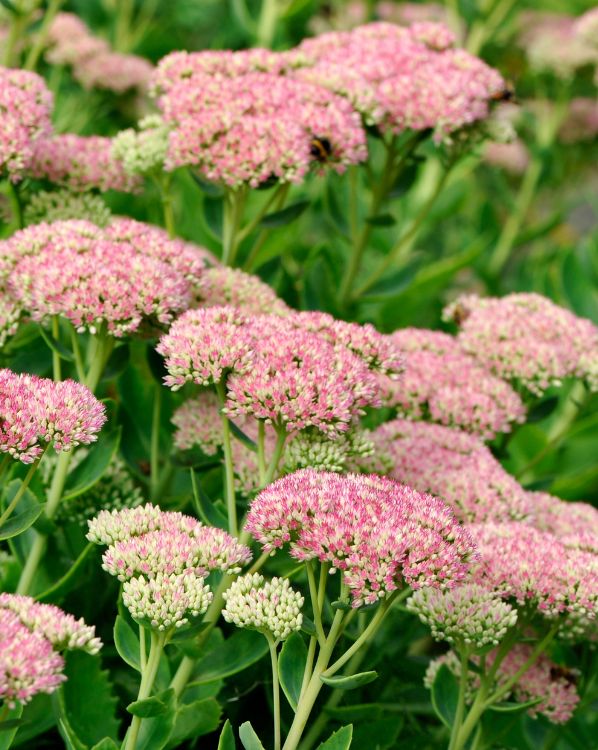
Late in the season, clusters of flowers appear, bringing fresh color as many summer blooms begin to fade. It is also one of the easiest perennials to grow, coping well with heat, drought, and poor soil.
These plants do not compete with lavender for attention. Instead, they highlight its best features while adding variety to the garden. The result feels natural, with each plant contributing something different without making the border look crowded or overplanned.
Designing a Healthy and Colorful Lavender Garden
A lavender garden does not need to be large to make an impression. Even a small planting can become a standout feature when the layout is planned carefully.
Rather than filling every gap, consider how each plant will look when it reaches its full size. Lavender naturally forms rounded mounds, so giving it enough room to spread creates a tidier and healthier display in the long run.
Sunlight should always be the starting point. Lavender needs a bright, open position where the soil drains quickly after rain. Crowding plants too closely together can trap moisture around the foliage, which increases the risk of disease.
Leaving space between each plant improves airflow and makes routine jobs like pruning and harvesting much easier.
A mix of heights keeps the border from looking one-dimensional. Taller plants placed behind lavender add depth, while medium and lower-growing companions create a gradual transition towards the front. This layered effect makes even a simple planting feel fuller without looking overcrowded.
Color is another way to give the garden its own personality. Lavender naturally works well with soft shades such as white, pale pink, and blue, creating a relaxed, classic look.
If you want something that catches the eye from a distance, introducing yellow or orange flowers can create a much stronger contrast while still allowing lavender to remain the focal point.
It also helps to think beyond the weeks when lavender is in bloom. Some companion plants flower earlier, while others continue well into late summer or autumn.
Mixing different bloom times means there is always something interesting to look at, even after the lavender flowers have faded. Evergreen shrubs and plants with attractive foliage also help keep the garden looking structured during the colder months.
The best lavender gardens rarely look overplanned. They feel settled, balanced, and easy to enjoy. By choosing plants with similar needs and arranging them with a little breathing room, you can create a display that looks good from spring until autumn without demanding constant attention.
Final Thoughts
Choosing the right companion plants allows lavender to do far more than fill a space with color and fragrance. It becomes part of a garden where every plant supports the overall design by sharing the same growing conditions and flowering at different times.
The combinations you choose do not have to be complicated. A few well-matched flowers, herbs, or perennials can create a border that attracts pollinators, stays healthy through the warmer months, and requires far less maintenance than a collection of plants with conflicting needs.
With a little planning, lavender can become the centerpiece of a garden that looks just as good in everyday life as it does in photographs.
When every plant has the right place to grow, the result is a landscape that remains colorful, welcoming, and rewarding season after season.