
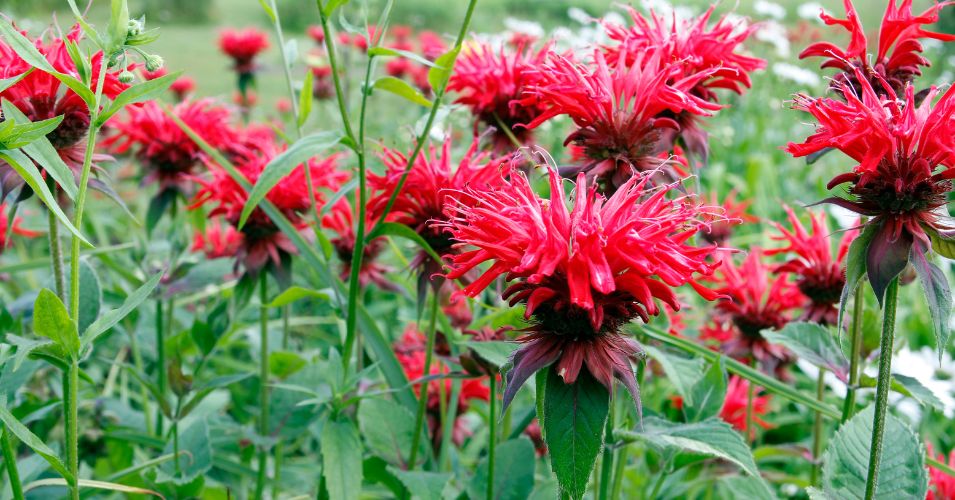
Bee balm is one of those plants that gives back far more than it asks for. With its bright flowers and ability to attract bees, butterflies, and hummingbirds, it quickly becomes a favorite in any garden.
Even though it is relatively easy to grow, the right fertilizer can make a noticeable difference in its performance. Natural fertilizers, homemade options, and even synthetic products all have their place, but knowing when and how to use them is what really matters.
This guide explains the best natural fertilizer for bee balm, explores homemade alternatives, compares them with synthetic fertilizers, and shares simple tips to help your plants produce healthy growth and vibrant blooms all season.
Why Bee Balm Benefits From the Right Fertilizer
Bee balm is not a particularly demanding plant, but it does appreciate a little extra nutrition when the growing season gets underway.
If the soil is poor or has been used for several years without being improved, the plant can struggle to produce the thick foliage and colorful blooms it is known for. Feeding bee balm at the right time helps it grow with more energy and keeps it looking its best from late spring through summer.
One of the biggest advantages of fertilizing bee balm is stronger root development. Healthy roots allow the plant to take up water and nutrients more efficiently, which becomes especially important during hot, dry weather. A well-established root system also helps perennial clumps return with plenty of vigor the following year.
Flower production is another reason fertilizer matters. Bee balm naturally produces eye-catching blooms, but plants growing in nutrient-poor soil often have fewer flowers and shorter stems. Giving the plant the nutrients it needs early in the season helps it direct more energy toward blooming instead of simply trying to survive.
That does not mean more fertilizer is always better.
Overfeeding can actually create the opposite effect. Too much nitrogen encourages leafy growth, leaving you with a large green plant but far fewer flowers. Excess fertilizer can also soften stems, causing them to bend or flop after heavy rain or strong winds.
The goal is to provide enough nutrients to support healthy growth without pushing the plant beyond what it naturally needs.
The condition of your soil also plays a major role. If you regularly add compost or other organic matter, your bee balm may only need a light feeding once each year. Gardens with sandy or heavily worked soil usually require a little more attention because nutrients wash away more quickly.
A thoughtful fertilizing routine does more than improve this year’s display. It strengthens the plant over time, helping it produce reliable blooms season after season while remaining better equipped to handle heat, dry spells, and common garden stresses.
Natural Fertilizers That Help Bee Balm Thrive
Natural fertilizers are often the best choice for bee balm because they feed both the plant and the soil. Instead of releasing nutrients all at once, they break down gradually, providing a steady supply that matches the plant’s natural growth.
This makes it easier to avoid overfeeding while creating healthier soil for years to come.
Compost is often the first natural fertilizer gardeners reach for because it does more than feed plants. It slowly releases nutrients while improving the soil’s overall condition, making it easier for bee balm roots to access water and oxygen. A layer of finished compost applied each spring is usually enough to give established plants a healthy start without the risk of overfeeding.
Worm castings are another favorite among experienced gardeners. Although they are mild compared to many fertilizers, they contain nutrients in forms that plants can use almost immediately. They also introduce beneficial microorganisms that help maintain healthy soil around the roots. Mixing a handful into the top layer of soil is a simple way to give bee balm an extra boost without risking fertilizer burn.
If your main goal is larger and more abundant flowers, bone meal is worth considering. Since it is naturally rich in phosphorus, it supports root growth while encouraging the plant to develop more flower buds. It works best when added early in the season because it breaks down slowly.
Composted manure is another reliable option, provided it has been properly aged. Fresh manure is far too strong and can damage plants, but fully composted manure improves soil quality while supplying a balanced source of nutrients. Many gardeners work it into the soil before planting or use a thin layer as a spring mulch.
Liquid organic fertilizers made from fish emulsion or seaweed can also be helpful during active growth. They provide nutrients more quickly than compost and are useful when bee balm needs a little extra support before flowering begins.
For most gardens, the healthiest approach is also the simplest. Start with compost, add another organic fertilizer only if needed, and let healthy soil do much of the work. Over time, that combination usually produces stronger plants, brighter blooms, and a garden that becomes more fertile with each passing season.
Homemade Fertilizer Ideas for Healthy Bee Balm
You do not need a shelf full of garden products to keep bee balm healthy. In many cases, the best fertilizer is something you can make at home with materials that would otherwise end up in the trash or compost bin. Homemade fertilizers work gradually, but they help build healthier soil while giving plants the nutrients they need to grow and flower.
If you already have a compost pile, you are producing one of the best homemade fertilizers for bee balm. Kitchen scraps, fallen leaves, grass clippings, and other plant material gradually break down into a nutrient-rich soil amendment at no cost. The key is to use fully finished compost, which should look dark, crumbly, and earthy before it is added around your plants.
Many gardeners also save coffee grounds, but they are best treated as a compost ingredient rather than a standalone fertilizer.
Used coffee grounds contain small amounts of nitrogen and other nutrients, yet applying thick layers directly around plants can create problems. Adding them to your compost pile first allows everything to break down into a more balanced material.
Eggshells are another common addition to the garden. They contain calcium, although they decompose slowly. Crushing them into small pieces before mixing them into compost or the soil helps speed up the process. While eggshells alone will not transform your bee balm, they make a useful addition to an overall soil improvement plan.
If your compost pile is producing plenty of finished material, you can also make compost tea. Soaking compost in water creates a mild liquid feed that can be poured around established plants during the growing season. It is not a miracle solution, but it offers a simple way to recycle nutrients already available in your garden.
The biggest advantage of homemade fertilizers is not how quickly they work. It is how they improve the soil year after year.
As the soil becomes richer in organic matter, bee balm often needs less intervention because healthy roots are better able to find water and nutrients on their own. That is one reason many experienced gardeners rely on homemade fertilizers long before they consider buying commercial products.
Comparing Natural and Synthetic Fertilizer for Bee Balm
Natural and synthetic fertilizers can both help bee balm grow well, but they achieve that goal in different ways. One focuses on improving the soil over time, while the other delivers nutrients as quickly as possible.
Neither is perfect for every situation, which is why it helps to understand what each one offers.
Natural fertilizers include compost, worm castings, aged manure, bone meal, and other organic materials. These products release nutrients slowly because soil organisms have to break them down first.
That slower pace is actually one of their biggest strengths. Instead of flooding the plant with nutrients, they provide a steady supply while improving soil structure and supporting beneficial microbes below the surface.
Synthetic fertilizers work much faster.
The nutrients are immediately available, making them useful when a plant needs a quick boost or is showing signs of deficiency. If your bee balm has pale leaves or poor growth due to nutrient deficiencies, a synthetic fertilizer can often correct the problem more quickly than compost or other organic options.
The downside is that speed comes with less room for error. Applying too much synthetic fertilizer can encourage lush green foliage at the expense of flowers. In severe cases, it can even damage roots or contribute to nutrient runoff after heavy rain. Following the label carefully is essential if you decide to use one.
Natural fertilizers are generally more forgiving. Even if you add a little extra compost, the chances of harming your bee balm are very low. Instead, you are feeding the soil as much as the plant. Over time, that healthier soil supports stronger roots, better moisture retention, and more consistent growth.
For most home gardens, organic fertilizers are the better long-term investment because they improve the growing conditions with every application. Synthetic fertilizer still has a place, especially when plants need nutrients quickly, but it works best as an occasional supplement rather than the foundation of your fertilizing routine.
If your goal is healthy bee balm with reliable blooms year after year, start by building rich soil with compost and other natural fertilizers. A healthy garden almost always begins below the surface, and the results become more noticeable with each passing season.
Simple Fertilizing Tips for Bigger Blooms All Season
Even the best fertilizer will not do much if it is applied at the wrong time. Bee balm responds best to a simple routine that aligns with its natural growing cycle rather than to frequent feedings throughout the year.
Start by feeding your plants in early spring when fresh shoots begin pushing through the soil. This is when bee balm needs extra nutrients to support new stems, leaves, and the flower buds that will develop later in the season. A layer of compost or a light application of your preferred organic fertilizer is usually all that is needed to get plants off to a healthy start.
After that, let the plant do its job.
One of the most common mistakes gardeners make is adding more fertilizer every few weeks, hoping for even bigger flowers. In reality, too much fertilizer often produces larger leaves instead of more blooms. Bee balm naturally grows quickly, so there is little benefit in forcing additional growth.
Watering is just as important as feeding. Dry soil makes it harder for roots to absorb nutrients, even if plenty are available. Water deeply during dry periods, especially while the plant is actively growing or beginning to flower. Consistent moisture helps bee balm make the most of the nutrients already in the soil.
It also pays to keep the area around your plants tidy. Pull weeds before they become established, since they compete with bee balm for water and nutrients. A thin layer of organic mulch can help conserve moisture and gradually improve the soil as it breaks down. Just avoid piling mulch directly against the stems because excess moisture can encourage disease.
Instead of sticking to a fixed fertilizing schedule, pay attention to what your plant is telling you. Bee balm with healthy green leaves and plenty of buds usually does not need extra feeding. If growth slows or flowering is disappointing, adding compost is often enough to restore the plant without resorting to stronger products.
In the end, healthy bee balm is usually the result of steady care rather than constant attention. Feed it once or twice when needed, keep the soil in good condition, and let the plant reward you with colorful blooms that attract pollinators all summer long.
Final Thoughts
The best natural fertilizer for bee balm is not necessarily the most expensive one. In many gardens, a yearly application of compost provides everything the plant needs to grow well and produce an impressive display of flowers.
Adding materials such as worm castings, bone meal, or aged manure as needed can provide extra support without overwhelming the plant.
Homemade fertilizers are another practical choice, especially if you already compost kitchen scraps and garden waste. They help improve the soil over time, making your flower beds healthier with every growing season.
Synthetic fertilizer can still be useful for correcting nutrient deficiencies, but it should be treated as an occasional tool rather than your first option.
If you focus on building healthy soil instead of chasing quick results, bee balm will usually reward you with stronger growth, brighter blooms, and a garden that attracts bees, butterflies, and hummingbirds year after year.