
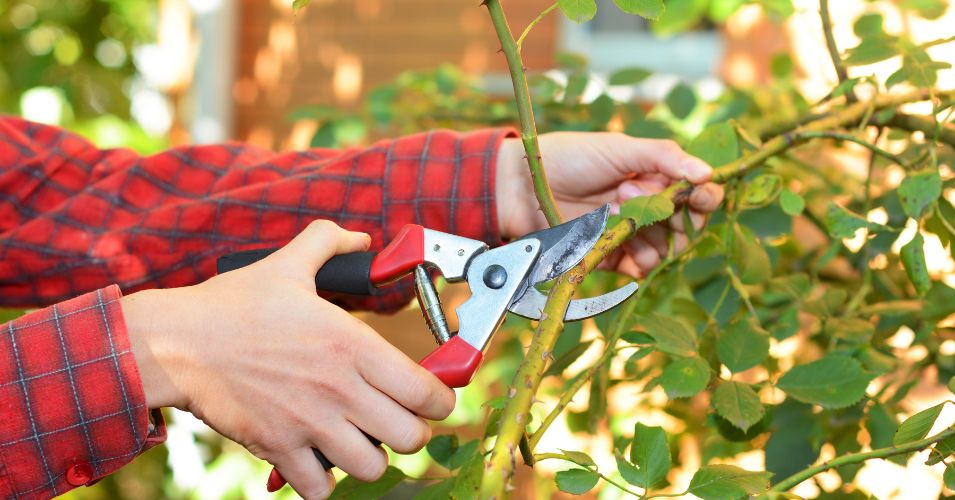
Roses bring color and fragrance to the garden throughout the summer, but they need a little attention to keep flowering.
While many gardeners think of pruning as a winter job, a light trim during the warmer months can make a noticeable difference. Removing faded blooms, tidying weak stems, and keeping the plant healthy encourages fresh growth and more flowers as the season continues.
The good news is that summer pruning is quick to learn and does not require any special skills. With a few simple techniques, you can help your roses stay vigorous, tidy, and full of life.
Why Summer Pruning Makes a Difference
By the time summer arrives, your roses have already spent weeks producing flowers. As beautiful as those blooms are, they eventually fade, and leaving them on the plant serves very little purpose.
Once a flower has finished, the rose begins directing its energy toward producing seeds instead of creating fresh growth. A few careful cuts encourage the plant to focus on what most gardeners actually want, which is another flush of flowers.
That is why summer pruning is often described as maintenance rather than major pruning. You are not reshaping the entire plant or cutting it back hard. Instead, you are keeping it productive while the growing season is still in full swing.
You will often notice the results surprisingly quickly. After spent blooms are removed, healthy shoots begin to appear below the cut. Given enough sunshine and regular watering, wide repeat-flowering varieties reward you with another display just a few weeks later.
Pruning during summer also keeps the plant looking cared for. Brown petals, drying flower heads, and thin stems can make even a healthy rose appear tired. Removing them instantly freshens the appearance of the whole shrub without taking much time.
There is another benefit that is easy to overlook. Roses grow fast in warm weather, and that fresh growth can become crowded before you realize it.
When stems rub against one another or leaves become packed together, moisture lingers for longer after rain. That creates the sort of conditions that fungal diseases enjoy. Trimming away weak or congested growth allows more air to move through the plant, helping leaves dry more quickly.
Summer pruning also gives you a reason to slow down and properly inspect your roses. As you work around the plant, you are far more likely to notice yellowing leaves, damaged shoots, aphids, or signs of disease before they spread. A quick check every couple of weeks often prevents a small problem from becoming a much bigger one later in the season.
Prepare Your Roses Before You Start
Good pruning starts with a little preparation. It is tempting to grab the secateurs and begin cutting straight away, but spending a few minutes getting organized usually leads to better results.
Start with your tools. Sharp bypass secateurs should handle most summer pruning jobs, although older roses with thicker stems may call for a pair of loppers. Whatever you use, make sure the blades are clean. Dirty tools can transfer diseases from one plant to another, even when there are no obvious signs of infection.
A sturdy pair of gardening gloves is worth wearing too. Rose thorns have a habit of finding the small gaps between your fingers just when you think you have avoided them. Gloves with longer cuffs offer a little extra protection around your wrists and forearms.
Weather is worth thinking about as well. A dry morning is usually the best time to prune. The plant is well hydrated after the cooler night, temperatures are comfortable, and dry leaves make it easier to spot anything that should be removed. Pruning during wet weather is not the end of the world, but it is easier for diseases to spread when foliage stays damp.
Before making the first cut, stand back and look at the whole plant. Notice where the oldest flowers are, which stems look weak, and whether any branches are crossing through the middle. This quick inspection helps you work with purpose instead of stopping to decide after every cut.
Finally, remember that not every rose grows in the same way. A compact floribunda will not need the same attention as a vigorous climber. Understanding how your variety naturally grows makes pruning feel much less intimidating. Once you know what you are trying to achieve, every cut has a clear reason.
The Right Way to Prune Roses in Summer
Summer pruning is all about keeping the plant productive. You are not trying to reshape the rose or reduce its size. Instead, you are encouraging it to put its energy into fresh flowers instead of blooms that have already finished.
Begin with the oldest flowers. Once the petals have dropped or begun to turn brown, trace the stem down until you reach the first healthy leaf with five leaflets.
This is usually the best place to make your cut because new shoots often develop from the bud just above that leaf. Cut a short distance above it, using clean, sharp secateurs to leave a neat finish.
As you work around the plant, keep an eye out for stems that look weak, damaged, or completely dead. These can be removed at the same time. If a branch has snapped in the wind or has started turning brown, trim it back until you reach healthy green wood.
It is worth pausing now and then to look at the rose from a few steps away. A plant can look balanced when you are standing close, only to reveal one side has become much heavier than the other. Checking your progress from different angles helps avoid taking too much from one area.
There is no need to rush through the whole garden in a single afternoon. Roses bloom for many weeks so that pruning can become part of your routine. Spending ten minutes every week often yields better results than leaving every bush untidy.
Climbing roses need slightly different treatment. The long canes that form the main structure should usually stay where they are. Instead, remove the faded flowers from the shorter side shoots that grow from those canes. This keeps the display going without affecting next year’s growth.
Once you have finished, gather the petals, leaves, and stems from around the base of the plant. Keeping the area clean discourages pests and reduces the chance of diseases lingering beneath the bush.
Common Summer Pruning Mistakes to Avoid
Most roses cope well with the occasional wrong cut, but a few habits can hold them back throughout the season.
Perhaps the biggest mistake is removing far more than necessary. Summer pruning should be fairly light. If you cut deep into healthy stems every time a flower fades, the plant has to spend extra energy replacing growth that did not need to be removed in the first place.
Another problem comes from leaving old blooms on the bush for too long. It is easy to overlook them, especially when fresh flowers continue opening nearby. Before long, the rose starts producing hips instead of putting its effort into another round of blooms. Regular deadheading keeps the plant focused on flowering.
Poorly maintained tools can also cause problems. Blunt secateurs crush stems rather than cut them cleanly, leaving wounds that heal more slowly. Taking a few moments to sharpen and clean the blades before pruning makes a noticeable difference.
Many gardeners also prune without first properly looking at the plant. Working too quickly makes it easy to miss damaged stems hidden beneath the leaves or branches that have begun to rub together. A short inspection before you begin often saves time because you already know which parts need attention.
It is also tempting to tidy every stem until the rose looks perfectly even. In reality, roses rarely grow in a completely symmetrical shape. Trying to force that appearance often means removing healthy growth simply for the sake of balance. A naturally shaped plant usually flowers more freely and looks more relaxed in the garden.
Finally, avoid treating every rose the same way. A compact floribunda, an established shrub rose, and a vigorous climber all grow differently. Understanding how each variety behaves makes pruning much easier and helps you avoid cutting stems that would have produced the next flush of flowers.
Help Your Roses Thrive After Pruning
Once the pruning is done, your roses will not need much attention, but a little extra care helps them bounce back quickly. New shoots usually appear within a couple of weeks, and those fresh stems will carry the next round of flowers.
If the soil is dry, give the plant a thorough watering after pruning. A deep soak every so often is far more beneficial than frequent light watering, as it encourages the roots to grow deeper into the soil. Try to water around the base of the plant rather than over the leaves, particularly during warm weather when fungal diseases can spread more easily.
This is also a good time to top up your feeding routine. Roses use plenty of energy producing flowers throughout summer, and replacing some of those nutrients helps support healthy new growth. Choose a fertilizer made for flowering plants or roses and apply it according to the instructions. More is not always better, so avoid the temptation to add extra in the hope of getting more blooms.
Over the next few weeks, keep an eye on the new growth. Young shoots are attractive to aphids, and fresh leaves can quickly show the first signs of black spot or powdery mildew. Spotting problems early usually makes them much easier to deal with than waiting until they have spread across the whole plant.
There is no harm in making summer pruning part of your normal gardening routine. Every time you walk past your roses, take a quick look. Remove a faded flower, pull a nearby weed, or pick off a damaged leaf if you notice one. These small jobs only take a minute or two, but together they make a real difference over the course of the season.
By late summer, those regular checks often pay off with healthier plants and another welcome flush of flowers. It is a simple habit that keeps roses looking their best without turning maintenance into a major task.
Final Thoughts
Summer pruning is less about cutting roses back and more about helping them make the most of the growing season. Removing spent flowers, clearing away weak growth, and giving the plant a little attention every week encourages healthier stems and more blooms over the months ahead.
The more you prune your roses, the easier the job becomes. You quickly learn how each variety grows and where fresh flowers are most likely to appear. Before long, deadheading and light pruning become just another enjoyable part of spending time in the garden.
A little effort throughout summer is often all it takes to keep your roses flowering for longer and looking their best right through to the end of the season.