
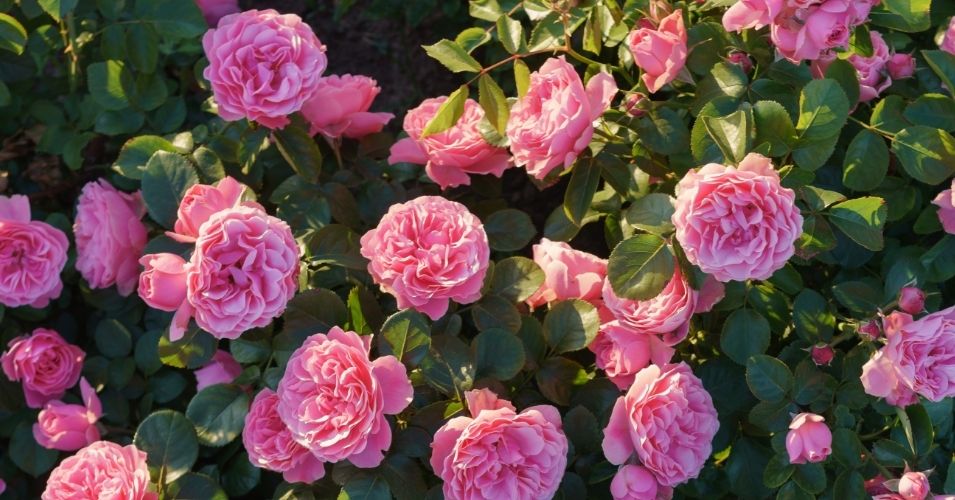
Roses are often seen as the crown jewels of the garden, but summer can be a challenging season for them. Heat, strong sunlight, and dry soil can stress even the healthiest plants.
With the right care, though, your roses can not only survive but truly thrive during the hottest months of the year.
This guide will walk you through simple, effective ways to keep your roses vibrant, blooming, and full of life all summer long.
Keep Your Roses Hydrated When Temperatures Rise
When summer settles in and the days grow longer, water becomes the most important factor in keeping your roses healthy.
Roses are not light drinkers, especially when temperatures climb. Their roots need steady moisture to support blooming, leaf growth, and overall strength. Without enough water, you may notice drooping flowers, yellowing leaves, or buds that fail to open.
Deep watering is far more effective than frequent shallow watering.
Instead of sprinkling a little water every day, give your roses a thorough soak a few times a week. This encourages roots to grow deeper into the soil, where moisture lasts longer, and temperatures stay cooler. A deep root system makes your plant more resilient during heat waves.
Early morning is the best time to water. The soil is still cool, and the water has time to soak in before the sun becomes intense.
Watering later in the day can lead to evaporation, wasting water, and leaving your roses thirsty. Evening watering can sometimes create damp conditions overnight, which may increase the risk of disease.
Pay close attention to the soil, not just the surface. It might look dry on top, but it still holds moisture below. Stick your finger a few inches into the soil to check. If it feels dry at that depth, it is time to water.
Adding mulch around the base of your roses can make a big difference. A layer of organic mulch helps lock in moisture, keeps the soil temperature stable, and reduces how often you need to water. It also helps prevent weeds from competing for water.
Keep the water directed at the base of the plant. Wet leaves can invite fungal problems, especially during warm weather. A slow, steady flow at the roots ensures the plant gets what it needs without creating extra issues.
With consistent attention and a little observation, your roses will stay well hydrated and ready to produce stunning blooms throughout the summer.
Feed Your Roses for Strong Summer Blooms
Roses are heavy feeders, which means they need regular nutrients to keep producing those beautiful flowers.
Summer is when they work the hardest, pushing out new growth and forming blooms again and again. Without proper feeding, even the healthiest rose can start to look tired and slow down its flowering.
A balanced fertilizer designed for roses is a great place to start. These blends usually contain the right mix of nutrients to support leaf growth, root strength, and flower production.
Applying fertilizer every few weeks during the growing season helps keep your plants energized.
Timing matters more than many gardeners realize. Feeding in early summer gives your roses the boost they need after their first flush of blooms. Continuing to feed through the season supports repeat flowering.
However, as late summer approaches, it is wise to ease off so the plant can prepare for the cooler months ahead.
Organic options can also be very effective. Compost, well-rotted manure, or natural fertilizers release nutrients slowly over time. This steady supply can be gentler on your plants and improve your soil’s health as well.
Always water before and after feeding. Applying fertilizer to dry soil can stress the roots and may even cause damage. Moist soil helps nutrients absorb more evenly and safely.
Watch how your roses respond. If leaves appear pale or growth seems weak, they may need more nutrients. On the other hand, too much fertilizer can lead to lots of leaves but fewer flowers.
Feeding is not just about quantity, but about balance. By giving your roses the right nutrients at the right time, you encourage strong stems, vibrant leaves, and blooms that last longer and look more impressive.
With a thoughtful feeding routine, your roses will reward you with a steady display of color and vitality all summer long.
Smart Pruning Choices That Encourage Growth
Pruning in summer is not about cutting your roses back heavily, but about guiding their energy in the right direction.
At this stage of the season, your goal is to support fresh blooms and keep the plant looking neat and balanced. A few careful snips can make a big difference in how your roses perform.
Deadheading is one of the most useful techniques you can practice. This means removing flowers that have already faded. When you do this, the plant stops putting energy into producing seeds and instead focuses on creating new blooms.
Cut just above a set of healthy leaves, ideally one with five leaflets, to encourage strong regrowth.
Take a moment to remove any weak or damaged stems. Branches that look thin, broken, or unhealthy can drain energy from the rest of the plant. By clearing them away, you allow stronger stems to take the lead and produce better flowers.
Keep the center of the plant open and airy. If too many stems crowd the middle, airflow becomes limited. This can lead to issues with moisture buildup and disease.
Light trimming to create space helps your roses stay healthier and more comfortable in the summer heat.
Always use clean, sharp tools. A clean cut heals faster and reduces the chance of infection. Dull tools can crush stems, which makes it harder for the plant to recover.
Pay attention to the shape of your rose bush as you prune. Aim for a balanced form that allows sunlight to reach all parts of the plant. Good light exposure supports even growth and better flowering across the entire bush.
Pruning may seem simple, but it is a powerful way to guide your roses. With a little care and observation, you can encourage steady growth, repeated blooms, and a plant that looks just as beautiful as it feels strong.
Protect Your Roses from Pests and Diseases
Summer brings not only sunshine but also a range of pests and diseases that can trouble your roses.
Warm weather creates the perfect conditions for unwanted visitors, so staying alert is key to keeping your plants healthy.
Start by checking your roses regularly. Look under leaves, along stems, and around buds for any signs of trouble. Aphids, spider mites, and beetles are some of the most common pests. Catching them early makes them much easier to control.
A gentle spray of water can sometimes solve the problem. Knocking pests off the plant with a steady stream can reduce their numbers without the need for chemicals. This simple step is often enough when infestations are still small.
Healthy plants are naturally more resistant. When your roses receive proper water, nutrients, and sunlight, they are better equipped to defend themselves. Stress weakens their defenses, making them more vulnerable.
Fungal diseases can also appear during summer, especially when humidity is high.
Black spot and powdery mildew are two common issues that affect leaves and overall plant health. Removing affected leaves and keeping the area clean can help prevent these problems from spreading.
Good airflow plays an important role in disease prevention. Spacing your plants properly and keeping them trimmed allows air to move freely. This helps leaves dry faster after watering or rain, which reduces the chance of fungal growth.
If problems persist, consider using an appropriate treatment. There are both natural and store-bought options available, depending on your preference. Always follow instructions carefully and avoid overuse.
Protection is about consistency, not just reaction. By keeping a close eye on your roses and responding quickly to any issues, you can maintain strong, vibrant plants that stay beautiful throughout the summer season.
Create the Ideal Summer Environment for Roses
A thriving rose garden in summer does not happen by chance. It is the result of small, thoughtful choices that shape the environment around your plants.
When conditions are just right, roses respond with stronger growth and more vibrant blooms.
Sunlight is one of the most important elements to consider. Roses need several hours of direct sun each day to perform their best. Morning light is especially valuable because it dries moisture from the leaves and reduces the chance of disease.
If your roses are in a spot that gets harsh afternoon sun, a bit of partial shade can help prevent stress during the hottest hours.
Soil quality plays a major role in how well your roses handle the summer heat. Loose, well-draining soil allows roots to breathe and absorb nutrients more easily.
If the soil becomes compacted, water may sit on the surface or drain too quickly, both of which can cause problems. Adding organic matter, such as compost, improves soil structure and supports healthy root development.
Air movement is often overlooked, yet it makes a noticeable difference. Good airflow helps regulate temperature around the plant and keeps leaves dry. This reduces the risk of fungal issues and creates a more balanced environment overall. Proper spacing between plants allows air to circulate freely.
Keep the area around your roses clean and tidy. Fallen leaves, old petals, and debris can attract pests and encourage disease. Regularly clearing this material helps maintain a healthier environment for your plants to grow.
Mulch can also support the overall environment. It maintains consistent soil moisture, reduces weeds, and protects roots from extreme heat.
A steady layer around the base of the plant creates a more stable growing condition throughout the season.
When all these elements come together, your roses experience less stress and more balance. A well-managed environment allows them to focus their energy on producing beautiful blooms and maintaining strong, healthy growth even during the peak of summer.
Final Thoughts
Caring for roses in summer is about consistency and attention to detail.
Each small step adds up: watering deeply, feeding wisely, and keeping a watchful eye for problems. When you stay engaged with your plants, you begin to understand what they need and when they need it.
Roses respond quickly to good care. With the right balance of sunlight, water, and nutrients, they reward your efforts with blooms that stand out and last longer.
Keep things simple and stay observant. A little effort each day goes a long way in creating a garden that feels alive and full of color all season long.