
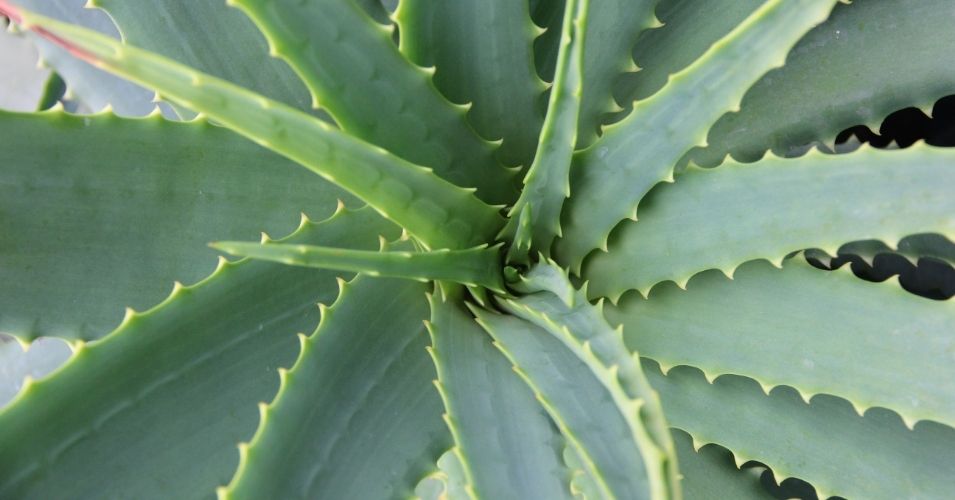
Aloe vera may be known for thriving in warm, sunny climates, but it still needs careful support during winter when light fades, temperatures shift, and indoor conditions become unpredictable.
Even though aloe is tough, the colder months can weaken its roots, soften its leaves, or create moisture problems that sneak up quietly. Winter care protects the plant from stress that builds slowly over time.
When you understand what aloe needs during the cold season, you give it the best chance to stay strong, keep its shape, and look healthy until brighter days return.
How Winter Light Changes Your Aloe’s Needs
Winter light affects aloe vera more than most people realize, because this plant depends heavily on strong, steady sunlight to stay firm, healthy, and well-shaped. When daylight hours become shorter and the sun sits lower in the sky, your aloe receives far less energy than it does in the warm months.
This shift causes the leaves to stretch toward any available light, often resulting in a thin or droopy appearance. Many plant owners mistake this change for a watering issue, but the real cause is almost always reduced winter light. Understanding how to support your aloe helps you prevent this seasonal stress.
Aloe vera needs bright, direct light whenever possible, and winter often makes this more challenging to provide. Even windows that once offered strong sunshine may deliver much less brightness during the colder months.
Placing your aloe near a south-facing window helps maximize the amount of light it receives each day. If the window does not offer enough brightness, you may need to move the plant to a brighter room or adjust it slightly during the day to catch more sunlight. Gentle movement keeps the aloe from leaning too far in one direction.
Some homes stay darker during winter because of cloudy days, long shadows, or tall buildings that block the sun. In these situations, your aloe may benefit from supplemental lighting. A simple grow light placed a short distance above the plant can help maintain healthy color and firm leaves.
You do not need a powerful light to make a difference. A few hours of extra brightness prevents the aloe from becoming weak or pale. Consistency matters more than intensity, so focus on maintaining a steady routine of daily light exposure.
Dust can also reduce the amount of sunlight reaching the leaves. In winter, indoor air tends to be dry, and this makes dust settle more easily on plant surfaces. Gently wiping the leaves with a slightly damp cloth helps them absorb as much light as possible.
This small step makes a surprising difference because clean leaves capture more energy even on dim winter days. By paying attention to winter light conditions, adjusting placement as needed, and providing support when sunlight is limited, you help your aloe stay strong and attractive throughout the cold season.
Smart Watering Choices During the Cold Months
Watering an aloe vera plant during winter requires extra care because the plant enters a slower growth period and uses far less moisture than it does in warmer weather. Many people accidentally overwater their aloe in winter, leading to soft leaves, root stress, or mushy stems.
Aloe stores water naturally inside its thick leaves, so it needs much longer periods between watering during the colder months. Understanding how winter affects the soil and the plant’s natural rhythm helps you make more intelligent choices that keep your aloe healthy.
The most important step is allowing the soil to dry out completely before adding more water. Touching the top layer is not enough, because winter air can make the surface feel dry while the lower layers remain damp.
Gently inserting your finger into the soil or lifting the pot to feel its weight gives you a clearer sense of moisture levels. If the pot feels heavy or the soil is cool and damp, it is not time to water yet. Waiting longer than you think is usually the safest option for winter aloe care.
When you water, give the plant a slow and thorough drink until water reaches the bottom of the pot. This helps hydrate the roots evenly without leaving pockets of dryness. However, it is essential to remove any excess water that collects in the tray beneath the pot. Standing water increases the risk of root problems, especially in winter when evaporation slows down significantly. A quick check of the tray after watering prevents moisture from sitting where the roots cannot handle it.
Indoor heating also affects how often your aloe needs water. Heaters dry the air, which may cause soil to lose moisture faster. But the warmth can also trick plant owners into thinking the aloe is more active than it is. Even in a warm home, the plant still grows slowly during winter, so watering must remain infrequent.
If your aloe begins to wrinkle slightly, that is often a sign it is ready for a small drink. If the leaves feel soft or swollen, it is a sign that you have watered too soon. By following the plant’s natural cues and giving water only when truly needed, you keep your aloe steady and strong throughout the cold season.
Ways to Protect Aloe from Cold Indoor Temperatures
Aloe vera may be hardy in warm climates, but it reacts strongly to cold indoor temperatures during winter. Even small temperature drops can cause stress that shows up slowly through soft leaves, fading color, or weakened stems.
Understanding how indoor temperature changes affect aloe helps you protect it from damage that often goes unnoticed until the plant begins to decline. Many homes experience temperature swings during the cold season, especially near windows or exterior walls, and these shifts can create pockets of cold air that harm the plant more than people realize.
The first protective step is choosing the correct location inside your home. Aloe does best in a room kept at a steady temperature, ideally above 55 degrees, because anything below 55 degrees can shock the plant.
Avoid placing aloe near drafty windows, because cold air seeping in overnight is one of the most common causes of winter damage. Even if the window feels warm during the day, nighttime temperatures can drop sharply. Moving the plant a few feet away or placing it on a stable surface away from drafts helps maintain a consistent environment.
Room heaters also play a role in aloe care. While heaters keep the home warm, they create hot and dry zones right beside them. If your aloe sits too close, the leaves may dry unevenly or lose moisture too quickly. It is best to keep the plant at a distance where it receives the room’s warmth without being exposed to direct blasts of hot air. A steady and comfortable room temperature gives the aloe a better chance to stay firm and stable throughout the season.
Cold surfaces can also affect aloe during the winter months. Placing the pot on a floor that becomes chilly at night can cool the roots more than the rest of the plant. When roots sit in cold soil, they struggle to properly absorb moisture and nutrients.
A simple solution is to place the pot on a small riser or plant stand that keeps it off the cold floor. Even something as simple as a wooden board under the pot provides enough separation to protect the roots from the cold.
Another common winter risk comes from sudden temperature swings that occur when windows are opened briefly or when the plant is moved around the home. Aloe prefers steady conditions, so limit movement during the colder months and keep the plant in one stable place. With thoughtful placement, draft protection, and consistent room temperatures, your aloe stays strong and avoids the subtle winter stress that weakens many indoor plants.
Soil and Potting Conditions That Support Winter Health
Aloe vera depends heavily on proper soil and potting conditions during winter, as colder months slow evaporation and increase the risk of moisture-related problems. While aloe loves dry soil year-round, winter makes this need even more important.
Soil that stays wet for too long creates an environment where roots cannot breathe, which leads to soft spots, discoloration, and rot. Choosing the right soil mix and pot structure helps your aloe stay healthy even when winter humidity or cooler temperatures delay drying.
A well-draining soil mix is the foundation of winter aloe care. The best blends include coarse sand, perlite, or small gravel mixed with a light potting soil so water moves through quickly. Dense or heavy soil traps moisture around the roots, which is especially harmful during winter, when evaporation slows.
If your current soil feels compact or holds water for days, repotting into a faster-draining mix protects the plant during the cold season. Good soil texture keeps the roots dry enough to breathe while still holding enough moisture for life.
The pot you choose matters just as much as the soil. Aloe requires a container with drainage holes at the bottom, because any water that sits inside the pot increases the risk of root problems.
Terra cotta pots are beneficial during winter because they allow moisture to escape through the sides, reducing the chance of soggy soil. Plastic pots hold moisture longer, which can be risky in colder months, so extra care is needed if you choose that type. A pot that encourages airflow and allows water to drain freely creates a safer environment for your aloe when temperatures cool.
Another key part of winter potting care is checking the depth of the roots. If the aloe sits too deeply in the soil, moisture gathers around the base of the plant, causing softening or discoloration.
Planting it slightly above the soil line helps the base remain dry and protected. This minor adjustment can make a noticeable difference in preventing moisture-related damage during the cold season. By paying attention to drainage, soil texture, pot material, and planting depth, you create conditions that keep your aloe healthy and strong all winter long.
Creating a Gentle Winter Routine for a Thriving Aloe
A gentle winter routine helps your aloe vera stay healthy during the cold season by giving it stability, consistency, and the right level of attention. Aloe is naturally tough, but winter introduces stress that builds slowly, and a simple routine prevents these challenges from becoming harmful.
The goal is not to fuss over the plant but to check in regularly, calmly, and predictably. These small habits help you notice changes early, adjust conditions when needed, and provide the plant with a comfortable environment as everything around it grows colder and less steady.
Start by observing your aloe once a week. Look closely at the color, leaf texture, and overall firmness. Winter stress often begins with minor signs such as pale patches, slight drooping, or soft spots near the base of the leaves.
Noticing these changes early helps you respond before the issue grows. A weekly check-in also gives you a sense of the plant’s moisture levels, lighting needs, and general comfort. This mindful habit keeps the aloe from slipping into hidden trouble during the season.
Another helpful step in your winter routine is to gently rotate the plant. Aloe grows toward the light, and with winter sunlight being weaker and coming from lower angles, it is easy for the plant to lean heavily in one direction.
Turning the pot a little each week allows the aloe to receive light more evenly on all sides. This prevents stretching, maintains balance, and helps the leaves stay firm and well-shaped. Even though the plant grows slowly in winter, minor exposure adjustments can make a noticeable difference.
Monitoring the room temperature should also be part of your routine. Aloe needs stability, and winter often brings chilly drafts, hot spots near vents, or rapid shifts when windows or doors are opened. A quick check of the plant’s surroundings helps you prevent sudden temperature shocks. Keeping the aloe away from cold glass, drafty corners, and intense bursts of heat allows it to remain steady through the coldest months.
Finally, make moisture checks a regular part of your routine. Winter watering must remain infrequent, so your routine should focus on feeling the soil rather than watering on a schedule. If the soil is completely dry and the pot feels light, a gentle watering helps the plant stay hydrated. If the soil feels even slightly cool or damp, wait longer.
This careful approach keeps the roots healthy and prevents winter moisture problems. With a calm and steady winter routine built around observation, rotation, temperature awareness, and thoughtful watering, your aloe remains strong and thrives even during the coldest season.
Final Thoughts
Caring for aloe vera in winter is all about balance, attention, and gentle support. The plant slows down during the cold season, and your approach should slow down with it.
Simple habits like adjusting light levels, monitoring temperatures, checking soil moisture, and maintaining ideal potting conditions help the aloe stay steady and resilient. Winter care does not have to be complicated. It only requires patience and awareness.
By giving your aloe a calm environment and a soft routine, you guide it safely through winter and help it remain healthy until warmer days return.