
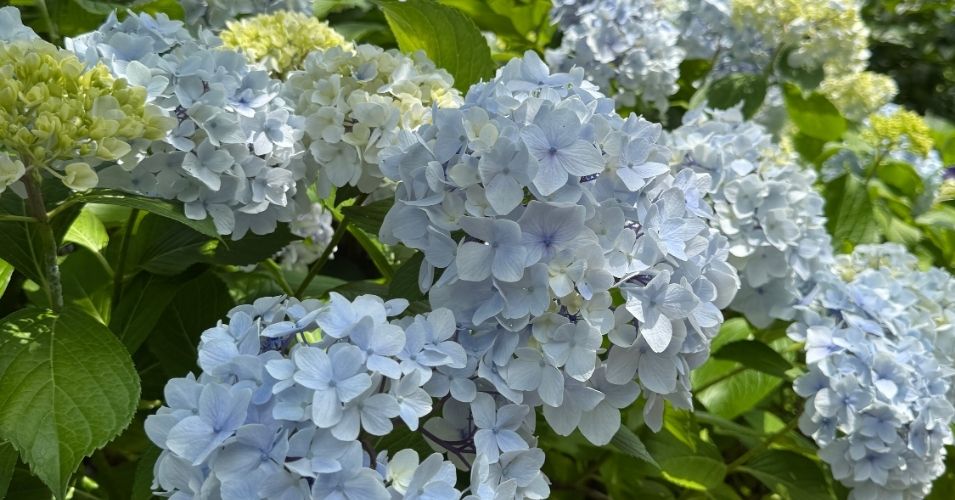
Hydrangeas are some of the most eye-catching plants in any garden, with their large, dreamy blooms and soft colors. But once winter arrives, these beautiful shrubs can struggle if left unprotected. Cold air, drying winds, and sudden temperature swings can damage their roots and buds, leaving you with fewer flowers the following year.
Caring for hydrangeas in winter doesn’t have to be complicated. With the proper techniques, you can help them survive freezing temperatures, retain moisture, and wake up strong when spring returns.
Here’s how to give your hydrangeas the best chance to thrive through winter.
Preparing Hydrangeas for Their Winter Rest
As the days grow shorter and the air begins to cool, hydrangeas naturally shift from a season of lush growth to a quiet period of rest. This dormancy is essential for their long-term health, but how you prepare them before the first frost makes all the difference in how well they recover and bloom again come spring.
The first step is to make sure your plants are well-hydrated before the ground freezes. Late fall watering is often overlooked, yet it’s one of the simplest ways to protect hydrangeas through winter. Give them a deep soak once the weather cools, but before hard frost arrives. Moist soil holds heat longer than dry soil, helping insulate the roots when temperatures drop.
Next, tidy up the area around your hydrangeas. Remove fallen leaves, spent flowers, and any plant debris that could harbor pests or fungal spores through winter. This quick cleanup reduces disease risk and gives your garden a neat, well-kept look before snow arrives.
Once the base is clean, allow the plants to settle into dormancy undisturbed. Avoid trimming or fertilizing at this stage, as that can encourage tender new growth that won’t survive frost. Instead, focus on helping your shrubs rest naturally.
When your hydrangeas have dropped their leaves and stopped growing, it’s time to think about insulation and protection. A light mulch layer and simple barriers, such as burlap wraps or wire cages, can help shield them from deep cold and drying winds.
We’ll explore those steps in more detail later, but for now, think of this as tucking your plants in for winter: snug, safe, and ready to sleep through the chill.
With just a bit of care and timing, your hydrangeas will rest peacefully and awaken strong, healthy, and full of life when spring sunshine returns.
How to Prune Without Harming Next Year’s Blooms
Pruning hydrangeas in winter can be a bit tricky. Done correctly, it encourages vigorous growth and beautiful flowers, but the wrong timing or technique can remove next year’s buds before they have a chance to bloom. The secret lies in knowing your plant type and pruning accordingly.
There are two main groups of hydrangeas to consider. Smooth and panicle hydrangeas bloom on new wood, meaning they grow fresh stems in spring that later produce flowers. These types are forgiving and easy to prune during winter or early spring because cutting them back won’t affect next season’s blooms.
Bigleaf and oakleaf hydrangeas, on the other hand, bloom on old wood. Their buds form on stems that grew during the previous summer. If you prune these in winter, you’ll remove the very buds that would have produced flowers next year. For these varieties, wait until after they’ve finished blooming in summer to prune.
If you’re not sure which type you have, it’s safest to do only light cleanup in winter. Remove dead, weak, or damaged branches but leave the rest intact. You can identify dead wood by gently scratching the bark with your fingernail. If the layer underneath is brown rather than green, that branch is no longer alive and can be cut away.
For smooth and panicle hydrangeas, winter pruning can actually rejuvenate the plant. Once the leaves have fallen and dormancy has begun, use sharp, clean shears to cut the stems back to about one-third of their height. This promotes vigorous new shoots and fuller flower clusters in the coming season.
Always make cuts at a slight angle just above a healthy pair of buds. This prevents water from sitting on the cut surface and reduces the chance of rot.
After pruning, clear away any debris from the soil around the base. Removing dead leaves and leftover blooms helps prevent mold and deters pests from hiding during the cold months.
Good pruning is about balance. The goal isn’t to make your hydrangeas look neat for winter but to help them rest and rebuild their energy underground. With the right approach, you’ll protect next year’s buds and set the stage for a spectacular bloom once the warmth of spring returns.
Mulching the Right Way to Protect Roots and Crowns
Mulching is one of the easiest yet most powerful steps you can take to help hydrangeas survive the long, cold months of winter. A good mulch layer keeps the soil temperature steady, locks in moisture, and protects the delicate crowns and roots from freezing.
When done correctly, mulching can mean the difference between a plant that struggles and one that bursts back to life full of color and vigor when spring arrives.
The best time to apply mulch is after the soil has cooled but before it freezes completely. This usually happens after the first few frosts, once the plant has entered dormancy. If you mulch too early, the soil may stay too warm for too long, preventing the hydrangea from settling into its natural rest period. Waiting until the timing is right helps your plant transition smoothly into dormancy before you tuck it in for the winter.
Before mulching, tidy up the base of the shrub. Clear away fallen leaves, dead flowers, and weeds that might attract pests or trap moisture. Then spread a layer of mulch about three to four inches thick around the plant’s base. This thickness provides the perfect balance of insulation and airflow. Too thin, and it won’t keep the roots warm enough. Too thick, and it can suffocate the soil.
Choose light, natural materials that decompose slowly and allow the soil to breathe. Shredded leaves, pine needles, straw, or composted bark are all excellent options. Avoid heavy or dense materials, such as fresh wood chips, which can trap moisture and promote rot. Leave a small gap around the crown of the plant to keep it dry and well-ventilated.
In regions with particularly harsh winters, you can take insulation a step further. Surround your hydrangea with a loose cage made from chicken wire or flexible garden fencing, then fill it gently with dry leaves or straw. This adds an extra layer of warmth and blocks frigid winds from drying out the stems.
Throughout the winter, check your mulch occasionally. Rain, snow, or wind may flatten or scatter it. Simply fluff or replace any thin spots to keep your hydrangea protected all season. When spring sunshine returns, gradually pull back the mulch to let the soil warm and breathe.
A simple layer of mulch provides your hydrangeas with precisely what they need through winter: steady warmth, moisture balance, and a shield from harsh temperature swings. With this natural protection in place, they’ll rest safely through the cold and reemerge strong, green, and full of blooms when the world thaws again.
How to Shield Shrubs from Frost, Wind, and Snow
Hydrangeas may look sturdy with their bare winter branches, but beneath that quiet exterior, their buds and stems are still vulnerable to nature’s extremes.
Frost, icy winds, and heavy snow can all cause lasting damage if your shrubs are left exposed. Fortunately, a few simple protective measures can help your hydrangeas survive the coldest months unscathed.
The first line of defense against frost is a breathable cover. Once your hydrangeas are fully dormant and the leaves have fallen, wrap each plant loosely with burlap or another natural fabric. This creates a soft barrier that traps a layer of air around the shrub, helping it stay slightly warmer than the outside air. Avoid using plastic or tightly woven materials, as they can trap moisture and promote rot. Burlap or frost cloth allows airflow while still blocking icy wind.
For smaller shrubs, consider building a frame before wrapping. Wooden stakes or a circle of wire fencing work perfectly. Once in place, secure your covering around the frame so it doesn’t rest directly on the branches. This prevents breakage from snow or ice buildup and gives your hydrangea space to breathe.
Wind is another major winter stressor. It draws moisture out of stems and buds, leaving them brittle and dry. A simple windbreak can make a big difference. Stretch burlap between stakes on the windward side of your garden, or plant your shrubs near a fence or hedge for natural protection. Grouping several hydrangeas also helps them shield one another.
Snow can be both a friend and a foe. A light layer insulates the ground, keeping roots warm, but heavy, wet snow can weigh down and snap branches. After a snowstorm, gently brush off excess snow with a soft broom, working from the bottom up. Avoid shaking the branches, which can cause them to crack.
If your plants become coated in ice, do not try to remove it. Frozen stems are fragile and prone to breaking. Let the ice melt naturally as temperatures rise.
Late frosts in early spring can also threaten new buds. Keep some burlap or frost cloth handy, and cover your shrubs overnight if a frost warning is issued. Remove the coverings during the day to allow light and airflow.
By shielding your hydrangeas from frost, wind, and snow, you protect their vital energy reserves and preserve the buds that will become next season’s blooms. A little attention during winter ensures your shrubs stay strong and healthy, ready to explode with color when warm weather finally returns.
Keeping Potted Hydrangeas Safe Through the Cold
Potted hydrangeas need special attention in winter because their roots are far more exposed to temperature changes than those planted in the ground. Soil in the garden acts like a natural blanket, insulating roots from freezing air, but containers don’t offer that protection.
Cold seeps through the sides of pots quickly, and without proper care, the roots can freeze solid. Fortunately, with a few easy steps, you can help your potted hydrangeas rest safely until spring returns.
The first step is deciding whether to leave your pots outside or bring them indoors. Hardy hydrangeas, such as panicle or smooth varieties, can usually handle outdoor winters with some insulation. More delicate types, like bigleaf or oakleaf hydrangeas, are better off sheltered indoors if your region experiences hard freezes or long stretches of icy weather.
If your hydrangeas stay outdoors, pick a protected spot close to a wall, fence, or house. These areas are slightly warmer and shield plants from harsh winds. Avoid exposed decks or open yards where cold air can wrap around the containers.
Next, insulate the pots themselves. Wrap each one in burlap, bubble wrap, or thick fabric to buffer against the cold. Grouping several pots and filling the spaces between them with straw or leaves adds extra insulation. This method helps trap warmth and keeps the soil temperature stable.
You can also sink the entire pot into the ground for the winter. Dig a hole just deep enough to bury the container so the rim sits level with the soil surface, then cover it with mulch. The earth’s natural warmth protects the roots better than air exposure ever could. Remember to dig them up again in early spring before new growth begins.
For frigid climates, overwintering indoors is the safest choice. An unheated garage, shed, or basement works perfectly. These spaces stay cool enough to keep the plant dormant but not so cold that the roots freeze. Check the soil every few weeks and water just enough to keep it slightly damp. The goal is to let the plant rest, not grow.
Avoid warm, sunny windows, which can wake your hydrangea too early. Keep it in a dim, cool corner until outdoor temperatures rise.
When spring finally arrives, gradually move your hydrangea back outside. Start in the shade for a few days, then transition to brighter light to prevent shock.
By combining insulation, shelter, and gentle moisture, you give your potted hydrangeas everything they need to survive winter’s chill. When the world warms again, they’ll reward your care with strong, leafy growth and the soft blooms that make hydrangeas a garden favorite.
Final Thoughts
Caring for hydrangeas in winter doesn’t have to be difficult. With a few mindful steps, you can keep these delicate shrubs comfortable through the coldest months of the year.
Whether your hydrangeas are planted in the ground or kept in pots, protection from wind, frost, and temperature swings makes all the difference. Simple acts like mulching, wrapping, and providing shelter help them rest safely until spring.
When warm weather finally arrives, your hydrangeas will be ready to reward your care with strong growth and a breathtaking display of blooms. Winter may pause their beauty, but your attention ensures it always returns.