
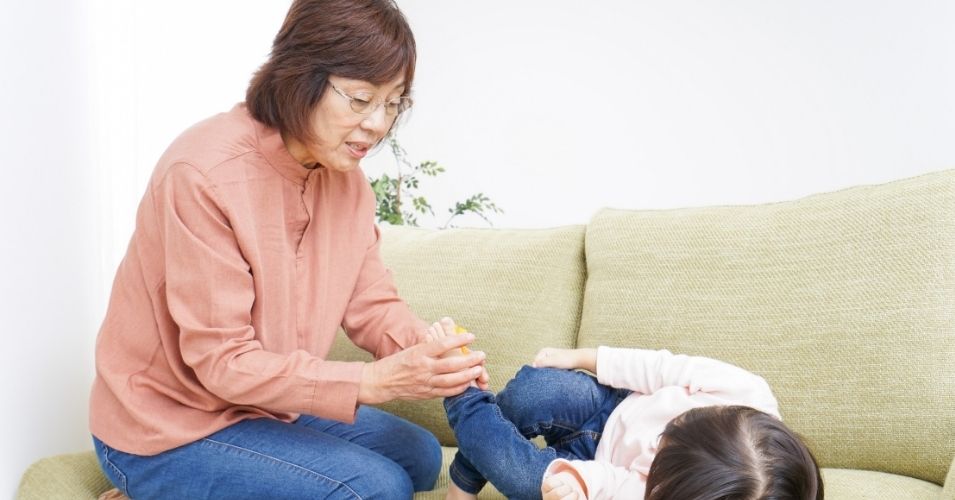
Respect between grandparents and grandchildren should feel natural, built on love, kindness, and shared understanding. Yet sometimes, you may notice a shift in your grandchild’s behavior that leaves you feeling dismissed or undervalued.
It can be confusing and painful, especially when you’ve poured so much care into their life. Respect is not automatic; it is learned and nurtured. When a grandchild’s tone or actions begin to cross certain boundaries, it may signal something deeper.
Recognizing these signs early helps you respond with patience and wisdom before resentment builds and the bond between you weakens.
Words That Cut Deeper Than They Realize
Sometimes disrespect begins quietly. It hides in a tone of voice, a careless comment, or a sarcastic reply. Words can sting more than children realize, especially when spoken to someone who has loved and cared for them since birth. When a grandchild speaks sharply, mocks your opinions, or uses rude language, it can leave a mark that lingers long after the conversation ends.
Many grandparents are caught off guard when this happens. They may remember the sweet child who used to listen and laugh but now responds with attitude or impatience. This shift is often part of growing up, as children begin to test limits and assert independence. Still, disrespect should not be ignored, even if it comes from a place of immaturity or frustration.
The first step is recognizing the difference between emotional outbursts and consistent disrespect. Everyone slips up occasionally, but when a grandchild regularly uses dismissive or cutting words, it signals a deeper problem.
It might come from influences outside your home, such as peers, social media, or television, where sarcastic behavior is often shown as funny or clever. Over time, they may not even realize how their words sound.
Addressing this behavior requires calm and clarity. Reacting with anger often fuels defensiveness. Instead, let them know how their words affect you. You might say, “When you talk to me that way, it hurts my feelings.” Keeping your tone steady and sincere helps them understand the emotional impact without escalating the situation.
It also helps to model the communication you want to see. Speak respectfully, even when correcting them. This shows that respect is mutual, not one-sided. Children often mirror the tone and approach they receive, especially in tense moments.
Setting clear expectations is vital. Explain that kindness in speech is not optional, even during disagreement. Remind them that respect is not about agreeing on everything, but about how we express our differences. If their sharp words continue, calmly follow through with appropriate consequences, such as limiting privileges or ending a conversation until they are ready to speak respectfully.
Encouraging empathy can also help. Ask them to imagine how they would feel if someone spoke to them the same way. This gentle reflection often sparks understanding where lectures fail.
Sometimes, children act out verbally because they feel unheard or powerless. Listening first can reveal the reason behind their tone. Once they feel understood, they are more willing to soften their approach. Over time, consistent patience and gentle boundaries can turn those hurtful words into respectful conversations built on trust.
Ignoring Guidance and Refusing to Listen
Few things frustrate a grandparent more than offering wisdom only to have it brushed aside. You might share advice out of love and experience, yet your grandchild reacts with eye rolls, silence, or complete disregard. It can feel disrespectful and disheartening, especially when your words come from genuine care.
Children often mistake advice for control. As they grow older, they crave independence and may resist guidance even when it benefits them. This resistance can come across as defiance, but it often hides a deeper desire to make their own choices and learn from them. Understanding this can help you respond with empathy instead of hurt.
Still, respect does not mean allowing them to ignore or dismiss you entirely. Listening is a form of courtesy that teaches humility and openness. When they interrupt, talk over you, or walk away mid-conversation, it sends a message that your thoughts no longer hold value. That kind of behavior should be addressed with calm authority.
The key is to balance firmness with understanding. You might begin by saying, “I know you want to make your own decisions, but it’s important to listen before you decide.” This acknowledges their growing independence while reminding them that listening is part of maturity.
Sometimes, children stop listening because advice feels repetitive or judgmental. Adjusting how you communicate can help. Instead of giving long lectures, share stories or experiences that illustrate your point. Real-life examples often carry more weight than direct instructions.
Listening goes both ways. When you take time to hear their side without interrupting, they learn to do the same for you. This mutual respect builds trust, showing that conversations with you are safe spaces rather than lectures to endure.
Praise them when they show genuine attentiveness. A simple, “I appreciate how you listened just now,” reinforces positive behavior. Respect grows stronger through encouragement than through constant correction.
If their disregard continues, setting boundaries may be necessary. Let them know that discussions will only continue when both sides can listen. Quietly walking away from a disrespectful exchange teaches that your time and words hold value.
Over time, your consistency sends a powerful message. Even if they resist in the moment, your calm guidance will echo in their memory. They may not show it immediately, but they will remember that you listened, spoke kindly, and stayed firm. Eventually, the lessons you share with love and patience will shape their understanding of what true respect looks like.
Disrespect Shown Through Broken Boundaries
Boundaries are an important part of any healthy relationship, even between grandparents and grandchildren. They create a sense of safety, understanding, and respect. When a grandchild repeatedly ignores or tests those boundaries, it can be a clear sign of disrespect.
Whether it is entering your personal space without asking, dismissing your rules in your home, or speaking as if your comfort does not matter, these small acts reveal a lack of regard for your limits.
Sometimes, children test boundaries as a natural part of growing up. They want to see how much freedom they have and where the line truly is. However, when that behavior continues despite gentle reminders, it shifts from curiosity to disregard. A grandchild who constantly pushes limits or treats your “no” as optional needs guidance in understanding that boundaries are not barriers but expressions of mutual respect.
Grandparents often hesitate to enforce rules for fear of damaging the relationship, but allowing disrespect to continue only weakens it further. Children feel more secure when clear expectations are in place. When you calmly remind them of your boundaries, you show that love and structure can exist together.
Start with simple, specific conversations. You might say, “In my home, we speak kindly to each other,” or “If you borrow something, I expect it returned.” Using direct, gentle language helps make your expectations clear without sounding harsh.
Consistency is key. If a boundary is broken, follow through on the consequence every time. It could be as simple as ending a visit early or pausing a conversation until they are ready to show respect. Over time, this teaches that actions have meaning and that your comfort and values deserve consideration.
It is also important to model respect for their boundaries in return. Ask before entering their room or touching their belongings. When they see you honoring their space, they learn by example. Mutual respect is more powerful than authority alone.
Sometimes, broken boundaries stem from emotional distance or misunderstanding. Spending quality time together outside of moments of correction can rebuild connection. When they feel valued, they are more likely to respect your limits.
Enforcing boundaries does not mean being cold or strict. It means showing that love includes responsibility. When a grandchild learns to respect your boundaries, they also learn how to respect others, setting the foundation for stronger relationships throughout their life.
Entitlement That Replaces Gratitude
Few things hurt more than giving generously to a grandchild who no longer seems to appreciate it. When gratitude fades and entitlement takes its place, every kind gesture can begin to feel unnoticed or expected. A grandchild who assumes that gifts, help, or attention are guaranteed is showing a sign of growing disrespect, even if they do not realize it.
Entitlement often starts small. It might appear as complaining when a gift is not exactly what they wanted, or showing disappointment instead of thanks. Over time, it can turn into demanding behavior or a lack of acknowledgment for your efforts. What once brought joy begins to feel one-sided.
This attitude can develop from a culture that constantly rewards children without requiring appreciation. Many are surrounded by instant gratification, where needs and wants are quickly met. As a result, they begin to expect rather than value kindness. It becomes your role to gently guide them back to understanding that love and generosity deserve recognition.
The first step is to model gratitude in your own behavior. Let them hear you express thanks to others, even for small things. Children often mimic what they see. When they witness you being thankful, they start to understand that gratitude is part of daily life, not just polite words.
It also helps to create moments that highlight effort and appreciation. Encourage them to write thank-you notes, even short ones, or to verbally acknowledge when someone helps them. These habits strengthen awareness and humility.
If their sense of entitlement continues, reduce unnecessary rewards. Avoid giving gifts or favors when gratitude is absent. Explain calmly that appreciation is part of every exchange. Say something like, “I love doing things for you, but it’s important that we both show thankfulness.” This teaches responsibility and perspective without resentment.
Sometimes, entitlement hides a deeper need for attention. A child who feels overlooked may seek constant rewards to feel valued. Spend time connecting through conversation or shared activities instead of material gifts. When love feels abundant, the craving for more fades.
Gratitude can be taught, but it must be reinforced through both example and consistency. Over time, your grandchild can rediscover the beauty of saying “thank you” and the joy that comes from mutual respect. The relationship becomes richer, built not on what is given, but on what is felt between two hearts that truly value each other.
Cold Behavior That Pushes You Away
There is a particular kind of hurt that comes when a grandchild begins to withdraw. The warmth that once filled your visits starts to fade. Conversations grow shorter, hugs become rare, and their eyes no longer light up when they see you. This coldness can be one of the most painful signs of disrespect because it feels personal, even when it may not be.
Sometimes, this distance grows quietly over time. It might begin with fewer phone calls or visits, then turn into disinterest when you are together. They may seem distracted, impatient, or simply indifferent. It can leave you wondering what changed, and whether the bond you once shared still matters to them.
Cold behavior often hides deeper emotions. A grandchild may be influenced by outside opinions, peer pressure, or family tension. They might not even realize how their attitude affects you.
At times, they may be going through personal struggles or confusion that make them pull away from everyone, not just you. Understanding this helps you approach the situation with compassion rather than anger.
The best way to respond is with gentle consistency. Instead of confronting them with frustration, reach out in quiet, caring ways. Send a note, share a story, or ask about something meaningful in their life. These gestures remind them that your love remains steady, even when they drift.
Avoid forcing affection or guilt. Statements like “You never visit anymore” or “You don’t care about me” can create more distance. Instead, focus on rebuilding emotional connection through small, sincere efforts. Let them know you are thinking of them, but allow space for them to come back willingly.
If coldness continues, it may be time for an honest but calm conversation. Express how their distance makes you feel without accusation. You might say, “I miss the time we used to share. Is something bothering you?” This opens the door for understanding rather than defensiveness.
Reconnection takes patience. Some grandchildren need time to realize the importance of family relationships. Continue showing warmth through kindness, forgiveness, and stability. Even when they seem distant, your example of unconditional love teaches them the kind of respect and loyalty that lasts. In time, hearts that have grown cold can warm again when met with steady grace.
Final Thoughts
Respect between grandparents and grandchildren does not fade overnight. It weakens slowly, through careless words, ignored advice, broken boundaries, and indifference. Recognizing these signs early allows you to respond with wisdom instead of hurt.
Disrespect is not always rebellion; sometimes it is confusion, immaturity, or outside influence. By approaching each situation with calm authority and love, you give your grandchild a chance to grow into understanding and empathy.
The bond between generations is too valuable to let pride or silence destroy it. With patience, forgiveness, and firm kindness, respect can always be rebuilt. What matters most is showing them, through your actions, what true love looks like even when it is tested.