
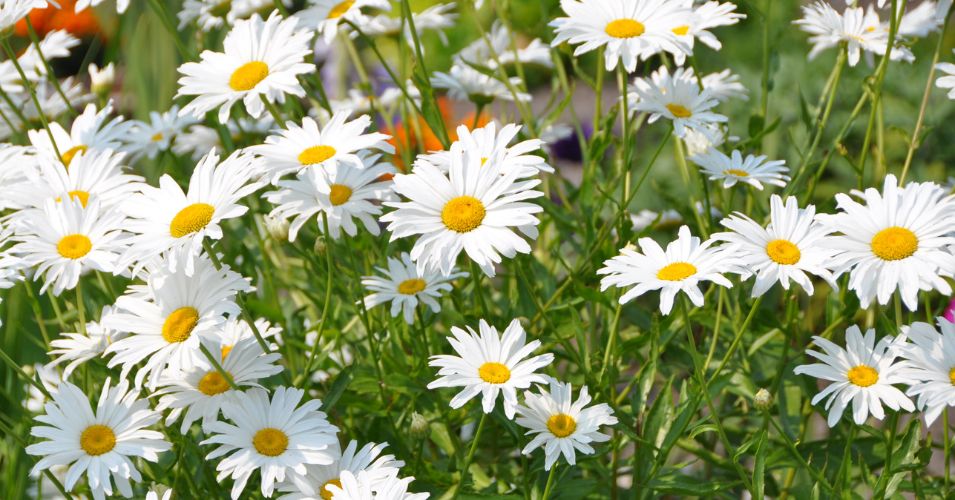
Shasta daisies are among the most reliable summer flowers, producing bright white blooms that bring life and color to garden beds for weeks. Although they are easy to grow, they benefit from a little attention during the growing season.
Regular pruning helps keep plants neat, encourages fresh flowers, and prevents them from looking tired as summer progresses.
The good news is that pruning Shasta daisies is simple and only takes a few minutes at a time. With the right approach, you can enjoy healthier plants and a longer-lasting display of blooms throughout the season.
Why Summer Pruning Matters for Shasta Daisies
By the time summer settles in, Shasta daisies are usually putting on quite a show. Their crisp white petals and bright yellow centers stand out against almost every other plant in the garden. But as beautiful as they are, they rarely stay picture perfect on their own for the entire season.
A Shasta daisy plant in early June can look very different from the same plant in late July. Some flowers begin to fade, stems stretch toward the sun, and older growth starts to look tired. Without a little attention, the plant can gradually lose the fresh appearance that made it so attractive in the first place.
This is where summer pruning earns its place. One of the biggest reasons gardeners prune Shasta daisies is to keep the blooms coming. Once a flower finishes its life cycle, the plant naturally starts producing seeds.
While that process is useful in nature, it is not always what gardeners want. Removing faded flowers encourages the plant to focus on producing new buds rather than developing seed heads for the rest of the season.
The difference can be surprisingly noticeable. A plant that is regularly pruned often continues flowering for weeks longer than one that is left alone. Rather than watching the display fade away halfway through summer, you can enjoy fresh blooms well into the season.
Pruning also helps maintain the plant’s overall appearance. As stems age, some begin to lean or flop, especially after heavy rain or windy weather. Old flowers turn brown and can make an otherwise healthy plant look neglected. Trimming away those worn-out parts instantly brightens the entire clump.
There is also a practical side to summer pruning. Removing damaged or crowded growth allows better air movement through the plant. After a rainstorm, foliage dries more quickly, reducing the risk of common fungal issues that often appear in warm, humid weather.
Perhaps the best thing about pruning Shasta daisies is how quickly you see the results.
Unlike some garden tasks that take months to pay off, this one often produces visible improvements within days. The plants look tidier, fresh buds begin to develop, and the garden regains some of the energy that makes summer flowers so enjoyable to grow.
The Best Time to Trim Your Plants
When it comes to pruning Shasta daisies, timing often matters more than the actual cut. You can have the sharpest pruners in the shed and the best intentions, but trimming at the wrong moment may not deliver the results you’re hoping for.
The good news is that Shasta daisies tend to make things fairly easy.
Rather than following a strict calendar date, it is better to let the plant tell you when it is ready. The first clues usually appear once the earliest flowers begin to fade.
While fresh blooms stand upright with bright white petals, older flowers start looking dull and tired. Some lose petals altogether, while others develop brown centers. This is often the signal that pruning season has begun.
Many gardeners make the mistake of waiting until every flower has finished blooming before reaching for their shears.
In reality, Shasta daisies rarely bloom all at once. Some flowers are just opening while others are already on their way out. Removing the older blooms as they fade helps keep the plant looking fresh and encourages continued flowering throughout summer.
The time of day can make a difference as well. Early morning is often the most comfortable and practical choice. Plants are well hydrated from cooler nighttime temperatures, and the garden is usually easier to work in before the heat builds. It is also easier to spot faded flowers when sunlight is soft rather than harsh.
Another useful pruning window arrives after the first major flush of blooms. At this stage, many Shasta daisies start looking slightly worn. The flowers may be fewer, stems can become floppy, and the plant may not have the tidy appearance it had a few weeks earlier.
A light trim during this period often helps refresh the plant and encourages a stronger display later in the season.
Perhaps the easiest rule to remember is this: prune when something looks past its best. A faded flower, a leaning stem, or a section of tired growth is usually worth removing. Paying attention to the plant’s appearance will often guide you better than any date on the calendar.
With Shasta daisies, successful pruning is less about perfect timing and more about regular observation. The gardeners who achieve the longest-lasting displays are usually the ones who spend a few minutes checking their plants every week and responding to what they see.
Deadheading for More Continuous Blooms
Shasta daisies have a habit of rewarding gardeners who pay attention to the little details. One of those details is deadheading. It is not the most exciting job in the garden, but it is often the reason some daisy patches keep blooming while others seem to fade far too soon.
As summer moves along, individual flowers begin to age at different rates. One bloom may look perfect while another right beside it has already lost half its petals. Those fading flowers are the ones to focus on. Once they start turning brown or ragged around the edges, they are unlikely to improve.
Leaving them in place will not hurt the plant, but it does change what the plant does next.
A spent flower naturally begins producing seeds. From the plant’s perspective, its job is done. For gardeners hoping for more blooms, that is not always ideal. Removing old flowers before seeds develop often encourages the plant to keep producing new buds rather than winding down for the season.
The best approach is to follow the flower stem below the faded bloom and cut it back to a healthy leaf or side shoot. This creates a cleaner look than simply snapping off the flower head. After a few minutes of trimming, the plant usually looks fresher and more vibrant.
Many gardeners notice another benefit as they deadhead. They start spotting new flower buds that were hidden among the foliage. It is easy to miss them from a distance, but up close you can often see the next wave of blooms already preparing to open.
Deadheading also prevents the plant from looking cluttered. A clump filled with faded flowers can appear tired even when plenty of healthy blooms remain. Removing those worn blossoms keeps the display looking bright and intentional.
It is one of those small gardening habits that does not take much time but often pays off throughout the rest of the summer. A few snips here and there can make the difference between a plant that looks finished in July and one that continues putting on a show well into August.
Cutting Back Overgrown or Tired Growth
There comes a point in many gardens when Shasta daisies stop looking crisp and start looking a little exhausted. The flowers may still be attractive, but the plant itself begins to tell a different story. Stems lean outward, older foliage loses some of its color, and the tidy shape that existed earlier in the season starts to disappear.
This is usually a sign that the plant would benefit from being cut back.
The idea is not to cut everything to the ground or dramatically reduce its size. Instead, think of it as giving the plant a chance to reset. By removing some of the older growth, you create room for fresh shoots and improve the clump’s overall appearance.
A common situation occurs after the first big flush of flowers. At that stage, many stems have already done most of their work. They may still be standing, but they no longer contribute much to the display. Trimming those stems back helps shift attention to healthier growth and prevents the plant from looking worn out.
You can often tell which stems need attention just by stepping back and looking at the plant. The tallest, weakest, or most faded stems usually stand out immediately. Removing them helps restore balance and gives the remaining growth more space.
Gardeners are sometimes nervous about cutting back a flowering perennial in summer. The plant can look smaller for a short period, and there is always a fear of removing too much. In reality, Shasta daisies are fairly resilient. A sensible trim often leads to a flush of fresh foliage that improves the plant’s appearance within a couple of weeks.
This practice can be especially useful after heavy rain or windy weather. Once stems have flopped over, they rarely return to their original position. Cutting back the worst offenders is often easier than trying to prop them up.
By late summer, a lightly trimmed plant often looks healthier, stronger, and far more attractive than one that was left completely alone. Sometimes the best thing you can do for an overgrown Shasta daisy is give it a little breathing room.
Mistakes to Avoid While Pruning Shasta Daisies
Most gardeners do not run into trouble when pruning Shasta daisies, but there are a few habits that can keep plants from performing their best. Interestingly, the biggest mistakes are often not dramatic ones. They are usually small oversights that add up over the course of the season.
One example is letting faded flowers pile up for too long. It is easy to put off deadheading for another weekend, especially when the garden is full of other tasks.
Before long, though, the plant can end up covered with old blooms that distract from the fresh flowers still opening. A quick trim every few days is often easier than tackling dozens of spent blooms all at once.
Another issue is making cuts without thoroughly examining the plant. Many people snip flowers wherever it is most convenient, leaving short sections of bare stem sticking above the foliage. From a distance, those stems can be surprisingly noticeable. Taking an extra second to follow the stem down to a healthy set of leaves usually produces a much cleaner result.
Timing can also work against you. Pruning during the hottest part of a summer afternoon is not ideal for either the gardener or the plant. Freshly cut stems are better off at lower temperatures, which is one reason many experienced gardeners prefer to prune in the morning.
There is also a tendency to overreact when plants begin looking messy. A Shasta daisy that has finished its first flush of flowers may appear tired, but that does not mean it needs a severe cutback.
Removing too much growth can leave gaps in the border and reduce the plant’s visual impact for weeks. In most cases, selective trimming works better than an aggressive approach.
One mistake that rarely gets mentioned is simply forgetting to step back and look at the plant as a whole. When you are focused on individual stems, it is easy to miss the overall shape. Every few minutes, take a step back and view the clump from several angles. Often, the next cuts become obvious.
Pruning Shasta daisies is not about following strict rules. It is about guiding the plant through the season and helping it stay attractive for as long as possible. A little observation goes a long way, and the plants themselves are usually quick to show you when you are on the right track.
Final Thoughts
Pruning Shasta daisies during summer does not require a lot of time, but it can make a noticeable difference in the way your plants look and perform.
Regular deadheading helps encourage new blooms, while occasional trimming keeps plants neat and prevents them from becoming overgrown or untidy.
The key is to pay attention to your daisies throughout the season and remove faded flowers or tired growth as needed. With a little consistent care, these classic perennials can continue producing cheerful blooms for weeks.
A few simple cuts here and there will help keep your Shasta daisies healthy, attractive, and full of color all summer long.