
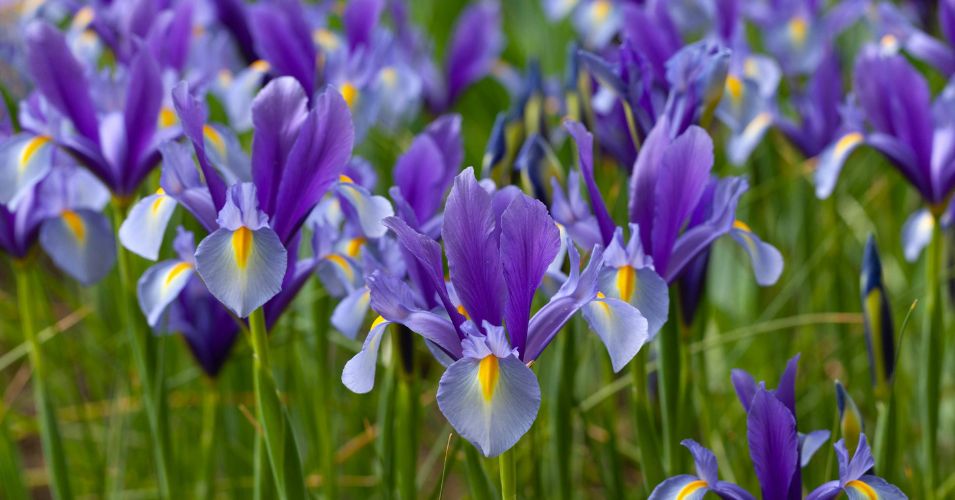
Irises are known for their striking blooms, but what happens after the flowers fade is just as important as the show itself.
Summer is a turning point for these plants, where the right care can mean the difference between weak growth and a strong return next season.
It is easy to overlook them once the color is gone, but this is when they quietly prepare for the future.
With a few simple habits and a better understanding of their needs, you can help your irises stay healthy through the heat and come back even better next year.
What Happens to Iris After the Flowers Fade
Once the last blooms fall away, many gardeners assume the iris has finished its job for the year. In reality, this is when the plant quietly shifts into one of its most important phases.
The energy that once fueled bright, showy flowers is now redirected underground. The rhizomes begin storing nutrients, building strength for the next growing season. At the same time, the leaves continue to play a key role, even if they are no longer the star of the show. They keep collecting sunlight and turning it into energy that supports future growth.
It can be tempting to cut everything back right away, especially when the plant starts to look a little worn. However, removing healthy foliage too soon can weaken the iris and reduce the number of blooms you will see next year.
Instead, focus on light cleanup. Snip off spent flower stalks close to the base once blooming ends so the plant does not waste energy trying to produce seeds. Leave the green leaves in place unless they are damaged, diseased, or completely dried out.
As summer continues, the plant may lose some of its vibrant look, which is completely normal. Irises often enter a semi-resting stage during the hottest part of the season, slowing visible above-ground growth while continuing important processes below the surface. New rhizomes may begin forming and gradually expand the plant’s footprint in your garden.
This stage may seem quiet, but it plays a major role in future success. Strong care now leads to healthier roots, better resilience, and more impressive blooms when the next growing season arrives. Your iris is not fading away. It is preparing for what comes next.
How to Water Iris Without Causing Rot or Stress
Watering iris during summer is less about how often you water and more about how carefully you manage moisture. Too little water can leave the plant stressed, while too much can quickly lead to rot, especially around the rhizomes.
The goal is to strike a balance that keeps the plant hydrated without letting it sit in damp conditions. Irises prefer soil that dries slightly between waterings. Their thick rhizomes are especially sensitive to excess moisture, and constant wetness can cause them to soften and decay over time.
Instead of sticking to a fixed schedule, check the soil before watering. Push your finger a few centimeters into the ground. If it feels dry at that depth, it is time to water. This simple habit helps you respond to the plant’s actual needs rather than guessing.
When you do water, make it count. A deep soak is far more effective than light, frequent watering. This encourages the roots to grow deeper into the soil, which makes the plant stronger and more resistant to dry conditions later on. Shallow watering, on the other hand, keeps moisture near the surface and leads to weaker root systems.
It is also important to consider timing. Water early in the morning so moisture has time to reach the roots before the heat of the day causes evaporation. Aim the water at the base of the plant rather than spraying over the leaves or rhizomes, which helps reduce the risk of fungal issues.
During rainy periods, you may not need to water at all. In fact, too much water is often more harmful than not enough. If your soil tends to hold moisture, improving drainage or planting irises slightly raised can make a big difference in preventing rot.
With a thoughtful approach, watering becomes simple and effective. Give your irises enough to stay healthy, but avoid overdoing it.
The Secret to Soil That Keeps Iris Thriving
Healthy soil is the quiet foundation behind every thriving iris plant. You may not see it, but what happens below the surface has a direct impact on how well your irises grow, bloom, and survive through the heat of summer.
Irises prefer well-drained soil that does not stay soggy for long periods. Their rhizomes sit close to the surface, making them more exposed to excess moisture than deeper-rooted plants. If the soil holds too much water, those rhizomes can begin to rot, leading to weak growth or even plant loss.
A good starting point is texture. Ideal soil for irises feels loose and crumbly rather than heavy and compact. If your garden soil feels dense or sticky when wet, it may need improvement. Mixing in materials like coarse sand or compost can improve airflow and drainage, allowing water to move through rather than pool around the roots.
Sunlight also plays a role in soil health. Warm, sunny conditions help keep the top layer of soil dry enough to protect the rhizomes. Planting irises in a spot that receives plenty of direct light supports both the plants and the soil conditions they depend on.
Another important detail is planting depth. Iris rhizomes should sit partly exposed, with the top just at or slightly above the soil surface. Covering them too deeply traps moisture and increases the chance of rot. It may look unusual at first, but this placement is exactly what the plant needs.
Over time, soil can shift and settle, especially after heavy rains. Checking your plants occasionally and gently adjusting any buried rhizomes can help maintain the right conditions.
When the soil is right, everything else becomes easier. Water drains properly, roots grow stronger, and the plant is better equipped to handle summer stress.
A little attention to the ground beneath your irises can make a lasting difference in how well they perform year after year.
Common Summer Problems and How to Stop Them Early
Summer brings warmth and growth, but it also creates the perfect environment for a few common problems that can affect irises. Catching these issues early makes all the difference, as small signs can quickly turn into bigger setbacks if ignored.
One of the most frequent concerns is rot. This often starts when the rhizomes sit in damp soil for too long. You might notice a soft or mushy texture, sometimes with a slight odor. Leaves may begin to yellow or collapse. Acting quickly is important. Removing the affected parts and allowing the area to dry can prevent the problem from spreading.
Pests can also become more active during the warmer months. Iris borers are one of the most troublesome. These insects tunnel into the plant, damaging leaves and rhizomes from the inside. Early signs include streaked or chewed-looking leaves. If caught in time, removing damaged foliage can help stop their progress.
Fungal issues are another challenge, especially in humid conditions. Leaf spots may appear as small brown or black marks that gradually spread. While they may not always kill the plant, they weaken it and affect its appearance. Keeping leaves dry and allowing good air circulation around your plants can reduce the chances of infection.
Weeds are often overlooked, but they compete for water and nutrients. During summer, they can grow quickly and crowd your irises if left unchecked. Regularly clearing the area around your plants helps keep resources focused where they are needed most.
Prevention is always easier than treatment. Simple habits like proper spacing, careful watering, and routine inspection can go a long way. Taking a few minutes to look over your irises every week allows you to spot changes before they become serious problems.
By staying attentive and responding early, you give your irises the best chance of remaining healthy and strong throughout the summer.
When and How to Divide Iris for Bigger Blooms Next Year
Dividing irises is one of the most effective ways to keep them blooming strong year after year. Over time, iris clumps can become crowded, which limits airflow, reduces available nutrients, and leads to fewer flowers. If your irises are producing less than they used to, division is often the solution.
The best time to divide irises is in late summer, usually several weeks after blooming has finished. This gives the plant enough time to recover before cooler weather arrives. By this stage, the rhizomes have stored energy and are ready to be separated without too much stress.
Start by carefully lifting the entire clump from the soil using a garden fork or shovel. Try to loosen the soil around the plant first to avoid damaging the rhizomes. Once removed, gently shake off any excess soil so you can clearly see the plant’s structure.
Next comes the separation process. Look for firm, healthy rhizomes with attached leaves. These are the ones you want to keep. Older sections that appear shriveled, soft, or damaged should be discarded. Using a clean, sharp knife, cut the rhizomes apart so that each piece has a fan of leaves and a solid root base.
Before replanting, trim the leaves to about one-third of their height. This reduces stress on the plant and helps it focus energy on root development. Choose a sunny location with well-drained soil and replant the rhizomes so that the tops remain slightly exposed.
Spacing matters more than many people realize. Giving each new section enough room allows it to expand without becoming overcrowded too quickly. It also improves air circulation, which helps prevent disease.
After planting, water lightly to settle the soil, then allow the area to dry between waterings. With proper care, these newly divided irises will establish themselves and reward you with stronger, more vibrant blooms next season.
Final Thoughts
Caring for irises in summer is all about understanding what the plant needs during its quieter phase. While the flowers may be gone, the work happening beneath the surface is just as important.
By focusing on proper watering, healthy soil, and early problem detection, you create the conditions your irises need to stay strong. Taking the time to divide crowded plants also ensures they continue to perform well in the years ahead.
A little attention during summer goes a long way. With steady care and simple habits, your irises will return each season with color, strength, and even more impressive blooms.