
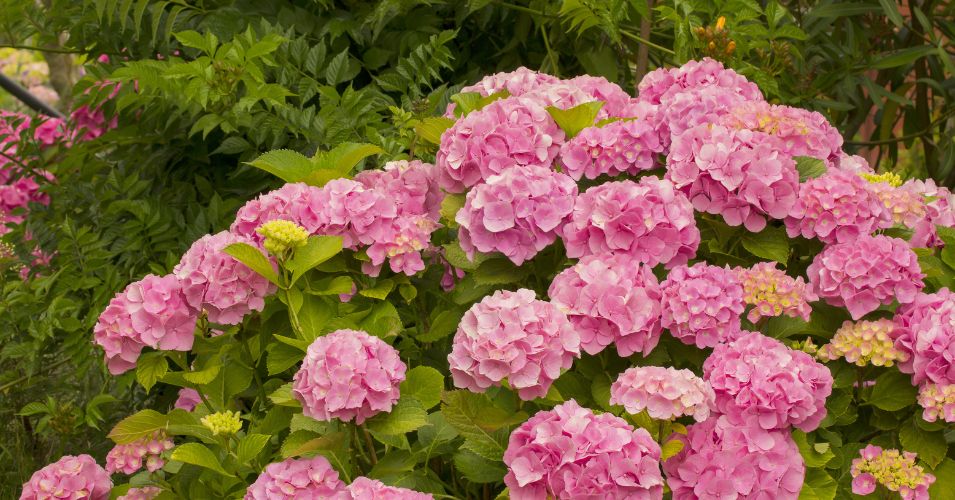
Hydrangeas have a way of transforming any garden into something soft and enchanting. Their giant clusters of color seem to glow in the sunlight, but behind those stunning blooms lies careful timing and a bit of pruning wisdom.
Knowing when and how to prune is the difference between a full display of flowers and a disappointing year of bare stems.
With the right approach, you can help your hydrangeas thrive, rewarding you with bigger, more vibrant blooms year after year.
Understanding the Type of Hydrangea You Have
Before you ever reach for the pruning shears, it is essential to understand which type of hydrangea is growing in your garden. Each type blooms on different wood, and pruning at the wrong time can mean cutting away future flowers without realizing it. By identifying your variety, you’ll know exactly how to care for it to bring out its best performance each year.
There are several main types of hydrangeas, and each one has unique blooming habits. Bigleaf hydrangeas, known for their large mophead or lacecap flowers, usually bloom on old wood. This means the buds that turn into next season’s blooms form during the previous summer. If you prune them in early spring, you’ll likely remove those buds and lose your flowers for the year.
Panicle and smooth hydrangeas, however, bloom on new wood. These types form buds on fresh growth, so pruning them in late winter or early spring won’t harm their flowering.
In fact, pruning them encourages new shoots that produce even more abundant blossoms. Many gardeners find that these hydrangeas respond well to yearly trimming, which keeps the plants full and vigorous.
Oakleaf hydrangeas are a bit more complex. They bloom on old wood, but their woody structure benefits from light pruning to maintain shape and remove any unhealthy stems. If you cut too much, they can skip a blooming cycle, so moderation is key.
Climbing hydrangeas are another special case. They bloom on old wood but require minimal pruning. Since they attach to surfaces like walls and fences, pruning should be limited to controlling their size or removing dead branches. Heavy cutting can delay blooming for several years.
If you are unsure which type you have, look closely at the leaves and the shapes of the blooms. Bigleaf hydrangeas have glossy leaves and round clusters, while panicle hydrangeas have cone-shaped blooms that change color as they age. Smooth hydrangeas typically produce soft, white, snowball-like flowers, and oakleaf hydrangeas have lobed leaves that resemble oak trees.
Understanding your hydrangea’s identity will help you plan your pruning with confidence. Once you know whether your plant blooms on old or new wood, you can avoid costly mistakes and ensure a healthy, colorful display each year. Taking time to study your plant before cutting makes all the difference between a few lonely blooms and a garden bursting with life.
The Best Time to Cut Back Old Growth
Timing is one of the most critical parts of pruning hydrangeas. Cut at the wrong moment, and you could remove next year’s buds before they ever have a chance to bloom. The right timing, however, brings lush growth and abundant flowers.
For bigleaf and oakleaf hydrangeas, pruning should be done immediately after flowering. These plants begin forming buds for the next season shortly after their blooms fade. If you wait until fall or early spring, you may accidentally remove those buds, reducing your flower count. By pruning right after the flowering season, you allow the plant time to create new buds before winter sets in.
Smooth and panicle hydrangeas are more flexible. Because they bloom on new wood, they can be pruned in late winter or very early spring before new growth appears. These varieties benefit from an annual trim, which encourages strong stems and larger blossoms. Cutting them back to about one-third of their height often produces a perfect balance of size and strength.
Avoid pruning in late autumn, especially in colder regions. Freshly cut stems can become vulnerable to frost damage, which weakens the plant. If you must remove old flowers in the fall, do it lightly, without cutting into the main stems. For regions with mild winters, pruning can safely occur earlier because the risk of frost injury is much lower.
Always start by removing dead or damaged wood before shaping the plant. This allows air and sunlight to reach the center of the shrub and encourages new, healthy growth. By focusing on old or crossing branches first, you prevent crowding and disease.
Hydrangeas that bloom on new wood, such as the Annabelle or Limelight varieties, can handle heavier pruning. Those that bloom on old wood, such as Nikko Blue or Endless Summer, should only be trimmed lightly. Over-pruning these will reduce next season’s bloom potential.
When you find the right moment to prune, you are not just maintaining your hydrangea; you are helping it thrive. Each snip encourages renewal and sets the stage for a spectacular summer display. With patience and attention to timing, you will enjoy vibrant, long-lasting blooms that make your garden shine.
How to Prune Without Hurting Next Year’s Blooms
Pruning hydrangeas correctly can feel a little intimidating, especially when you know that one wrong cut could affect your flowers for an entire year. But when done carefully, pruning becomes a straightforward way to help your plant grow stronger and bloom more beautifully each season.
The secret lies in knowing which branches to remove and how much to trim without touching the buds that will become next year’s blossoms.
Start by observing your hydrangea closely before cutting. Look for the buds, which appear as small, plump nodes along the stems. For hydrangeas that bloom on old wood, such as bigleaf and oakleaf varieties, these buds are the key to next year’s flowers. They are usually located near the tips of the stems that grew the previous year. Avoid cutting those sections, since removing them will remove next season’s blooms as well.
Instead, focus your efforts on removing dead, diseased, or weak stems. Any branch that looks dry, brown, or damaged should be trimmed back to the base of the plant. This allows the hydrangea to channel its energy into healthy stems and buds.
If your plant has become overcrowded, selectively thin out a few of the oldest stems from the center. This will improve air circulation and sunlight penetration, both of which are vital for steady growth.
For hydrangeas that bloom on new wood, like panicle and smooth varieties, pruning is much more forgiving. You can cut these back by one-third or even half in late winter or early spring without harming their blooms. In fact, this kind of pruning often results in larger, more impressive flowers, as the plant allocates all its energy to the new shoots that develop after trimming.
When pruning, use clean, sharp shears to make smooth cuts. Jagged edges can leave the plant vulnerable to disease and slow healing. Always make your cuts at a slight angle above a healthy bud to encourage new growth in the right direction.
It’s also wise to step back occasionally while pruning to assess the plant’s shape. Hydrangeas look most natural when slightly rounded rather than perfectly uniform. By trimming with balance and caution, you can protect your buds while keeping your hydrangea neat and healthy.
Proper pruning is as much about observation as it is about technique. When you take the time to understand your plant’s rhythm and structure, you will find that each careful cut adds to the promise of a more colorful and rewarding bloom season ahead.
Encouraging Stronger Stems and Fuller Plants
A healthy hydrangea isn’t just about its flowers; it’s also about the strength and structure that support them. Weak or floppy stems can cause even the most beautiful blooms to droop under their weight. Pruning plays a key role in developing strong, sturdy stems that can support the large, vibrant blooms hydrangeas are known for.
The first step to encouraging stronger stems is consistent, thoughtful pruning. Removing old, unproductive branches helps redirect the plant’s energy toward younger, more vigorous growth.
Each season, identify a few of the oldest stems and cut them back to the base. This process stimulates new canes to emerge from the ground, which become the strong framework for future blooms.
Panicle and smooth hydrangeas respond exceptionally well to this technique. When pruned back hard in late winter or early spring, they send up fresh, sturdy stems capable of supporting large clusters of flowers without bending. This practice keeps the plant youthful and helps maintain an attractive shape year after year.
In addition to pruning, sunlight plays a vital role in strengthening stems. Hydrangeas that grow in too much shade often develop long, weak stems that reach toward the light.
If your hydrangea struggles to stay upright, consider relocating it to an area that receives a few hours of direct morning sun, followed by gentle afternoon shade. This balance encourages thicker, more resilient stems while protecting the blooms from scorching.
Feeding your hydrangeas correctly also contributes to stronger growth. A balanced fertilizer applied in early spring provides nutrients that enhance stem and root development. Avoid high-nitrogen fertilizers, as they promote leaf growth at the expense of sturdy stems and flowers. Compost or organic mulch can also be added around the base to maintain moisture and supply slow, steady nutrition.
Support may also be needed for certain varieties, particularly smooth hydrangeas like the Annabelle type, which tend to produce oversized blooms. In these cases, consider adding discreet stakes or plant rings early in the season before the flowers grow heavy. This helps the stems remain upright and prevents breakage.
Finally, avoid overwatering or letting the soil stay soggy, as excessive moisture can weaken the plant’s structure. Well-drained soil allows the roots to breathe, giving your hydrangea the stability it needs to anchor those strong stems.
With a careful blend of pruning, proper light, and balanced feeding, your hydrangeas will grow stronger, fuller, and more resilient each year. The result is not only a stunning display of blooms but a healthy plant capable of carrying its beauty proudly through every season.
Mistakes That Can Ruin a Hydrangea’s Bloom Cycle
Even the most devoted gardener can make small mistakes that have significant consequences for hydrangeas. These plants are forgiving in many ways, but their blooming cycles are delicate.
One poorly timed trim or the wrong care routine can mean a season without flowers. Understanding these common errors will help you protect your hydrangeas and keep them bursting with color year after year.
One of the most frequent mistakes is pruning at the wrong time. For hydrangeas that bloom on old wood, cutting in fall or early spring removes the very buds that were meant to flower in summer.
Many gardeners mistake the brown, woody stems for dead growth and cut them down, only to discover later that they eliminated next year’s blooms. The solution is simple: prune only right after flowering for old-wood varieties and before new growth begins for those that bloom on new wood.
Another major mistake is over-fertilizing. While it may seem that feeding your plants more often will help them grow faster, hydrangeas do not respond well to excess nitrogen. Too much fertilizer encourages leafy growth instead of flowers. The plant ends up lush and green but with very few blooms. A balanced, slow-release fertilizer applied in moderation is enough to keep your hydrangeas thriving.
Improper watering can also cause trouble. Hydrangeas love moist soil, but too much water can suffocate their roots and weaken the plant. On the other hand, letting them dry out entirely between waterings stresses the plant and affects flower production. The goal is consistent moisture, keeping the soil damp but never soggy. Mulching around the base helps maintain that balance.
Neglecting sunlight needs can also disrupt blooming. Some gardeners plant hydrangeas in deep shade, expecting vibrant flowers, but most varieties require several hours of morning sun to bloom properly. Without sufficient light, they focus on leaf growth rather than producing buds. Finding the right balance between sun and shade ensures both healthy foliage and abundant flowers.
Lastly, failing to remove dead or diseased wood weakens the plant and interferes with air circulation. Crowded stems trap moisture, leading to mold or mildew that can harm developing buds. Annual cleanup keeps your hydrangeas strong, healthy, and ready to bloom beautifully.
Avoiding these mistakes requires observation and patience. Hydrangeas reward gentle, timely care with a stunning display of color, and by paying attention to their natural rhythm, you can enjoy their beauty for many years to come.
Final Thoughts
Pruning hydrangeas may seem like a small task, but it holds the power to shape the health and beauty of your garden. Knowing when and how to prune ensures your plants reward you with large, radiant blooms each season.
Take time to understand your hydrangea’s type, watch its growth cycle, and respect its natural timing. A few well-placed cuts and thoughtful care can transform a simple shrub into a spectacular highlight of your garden.
With patience and consistency, your hydrangeas will thank you year after year, filling your landscape with lush, colorful blossoms that never fail to brighten your days.