
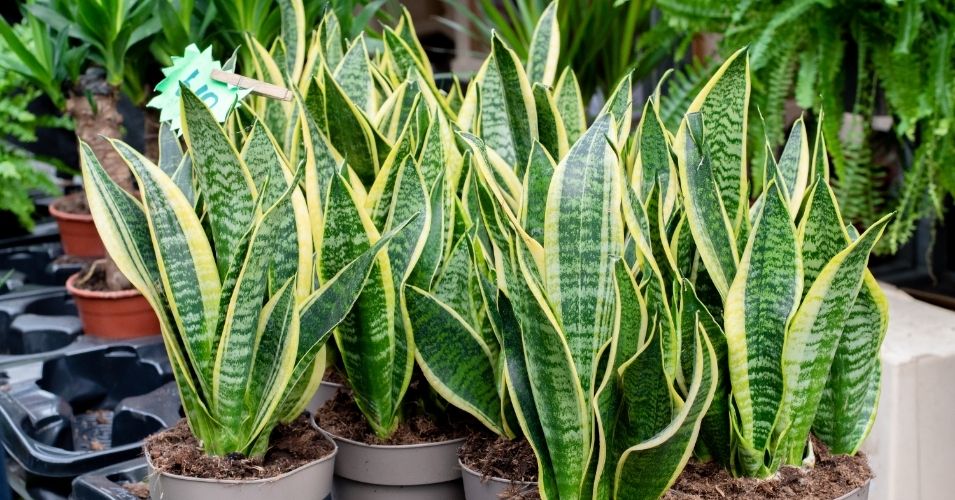
Snake plants are known for being tough, stylish, and almost impossible to kill, which makes them a favorite for both beginners and experienced plant lovers.
But summer brings a different set of challenges. Longer days, stronger sunlight, and warmer temperatures can push even the hardiest plants out of their comfort zones if they are not properly cared for.
In this guide, you will discover how to keep your snake plant healthy, vibrant, and growing strong all summer long.
What Your Snake Plant Needs in Warm Weather
Summer changes the pace of life for your snake plant, even if it still looks calm and steady on the surface.
As temperatures rise and days grow longer, your plant naturally shifts into a more active phase of growth. This means it uses more energy, absorbs more light, and may even produce new leaves if conditions are right.
However, this boost in activity also means it becomes slightly more sensitive to its surroundings. While snake plants are famous for surviving neglect, they still respond to seasonal changes in ways that are easy to miss if you are not paying attention.
Warm air speeds up the rate at which the soil dries out. This can make you think your plant needs more water than it actually does. At the same time, strong sunlight can increase evaporation and put stress on the leaves if the exposure is too intense.
It is important to recognize that snake plants store water in their thick leaves. Because of this, they are much more tolerant of dry conditions than overly wet ones.
In summer, the biggest risk is often overwatering rather than underwatering. Roots that sit in damp soil for too long can begin to rot, even when the top layer looks dry.
Another factor to keep in mind is airflow. Warm weather without proper circulation can trap heat around the plant, especially indoors. This can lead to sluggish growth or even soft, weakened leaves over time.
A gentle flow of fresh air helps regulate temperature and keeps the plant in a healthier state.
Pay attention to subtle signals. Leaves that wrinkle slightly may indicate thirst, while yellowing or mushy areas can point to too much moisture.
By adjusting your care according to the season, you help your snake plant stay balanced rather than stressed.
The Right Balance of Sunlight Indoors
Light plays a bigger role in summer than many people expect, especially when the sun becomes stronger and more direct. Snake plants are known for tolerating low light, but they actually prefer bright, indirect light when given the choice.
During the warmer months, placing your plant near a window can encourage faster and healthier growth. A spot with filtered sunlight, such as behind a sheer curtain, often works best. This allows the plant to soak in enough light without exposing it to harsh rays that can scorch the leaves.
Direct sunlight for long periods can cause visible damage. You might notice faded patches, dry tips, or even brown burn marks forming on the surface of the leaves. Once this damage appears, it cannot be reversed, so prevention is far better than trying to fix it later.
On the other hand, keeping your snake plant in a very dark corner during summer can limit its growth. The plant may survive, but it will not thrive. Leaves can become thinner, and new growth may slow down or stop altogether.
A good approach is to observe how light moves through your space during the day. Morning sunlight is usually softer and more gentle, while afternoon sun tends to be stronger and more intense. Even a slight adjustment to the plant’s position can make a noticeable difference in how it responds.
If natural light is limited, rotating the plant every couple of weeks can help all sides receive equal exposure. This keeps the growth even and prevents the plant from leaning toward one direction.
Finding the right balance does not require perfection. It simply involves paying attention and making small adjustments as needed.
With the right amount of light, your snake plant will reward you with upright, vibrant leaves that continue to grow steadily throughout the summer.
Water Without Overdoing It During Hot Months
Watering a snake plant in summer can feel confusing at first. The heat dries the soil faster, which often leads people to reach for the watering can more often than necessary.
This is where many problems begin.
Snake plants are built to handle dry conditions. Their thick leaves act like storage tanks, holding water for long periods. Because of this, they do not need frequent watering, even when temperatures rise.
The key is to focus on the soil rather than the calendar. Instead of watering on a fixed schedule, check how dry the soil feels. Push your finger a few centimeters down or use a wooden stick to test deeper layers. If it still feels damp, it is better to wait.
In summer, you may notice that the top layer dries quickly while the lower soil stays moist. This can trick you into watering too soon. Consistent overwatering is far more harmful than letting the plant stay dry for a little longer.
When it is time to water, do it thoroughly. Let water flow through the pot until it drains out from the bottom. This ensures the roots receive enough moisture without leaving stagnant water behind. Always empty any excess water from the saucer so the plant is not sitting in it.
Another important detail is the type of pot and soil. Well-draining soil helps prevent water from staying trapped around the roots. Pots with drainage holes are essential, especially during warmer months when humidity and heat can combine to create soggy conditions.
Watch for warning signs. Soft or yellowing leaves can mean too much water, while slightly wrinkled leaves can suggest the plant is ready for a drink. Learning to read these signals will make your care routine more natural and less stressful.
With a careful approach, watering becomes simple. You are not trying to keep the soil constantly moist. You are allowing it to dry, then refreshing it just enough to support steady growth.
Keep Your Plant Comfortable with Temperature and Airflow
Snake plants are quite adaptable, but indoor summer conditions can still affect how well they grow. Warm temperatures are generally welcome, yet excessive heat without relief can slowly wear the plant down.
Most snake plants feel comfortable in the same temperature range that people enjoy. A typical indoor setting works well, as long as it does not become overly hot during the day or stuffy at night.
One common issue in summer is trapped heat. Rooms with closed windows can hold warm air, especially during sunny afternoons. This can create a heavy environment where the plant struggles to stay balanced.
Airflow plays a quiet but important role here. A gentle movement of air helps regulate temperature around the leaves and soil. It also reduces the chances of excess moisture lingering too long, which can lead to root problems over time.
You do not need strong drafts or constant wind. In fact, sudden bursts of hot or cold air can stress the plant. Instead, aim for a steady and mild flow. Opening a window for part of the day or using a fan on a low setting can make a noticeable difference.
Be mindful of where the plant sits in relation to heat sources. Areas near radiators, electronics, or sun-heated glass can become warmer than the rest of the room. Even a small shift in placement can help avoid unnecessary stress.
Humidity is another factor to consider. Snake plants do not require high humidity, but extremely dry air combined with heat can affect their appearance. Leaves may look dull or slightly dry at the edges if the environment becomes too harsh.
Keeping conditions stable is the goal. When temperature and airflow are balanced, your snake plant can continue growing without interruption.
It may not demand attention, but it will quietly respond to a comfortable space with steady, healthy development.
Simple Maintenance Habits That Keep Growth Strong
Caring for a snake plant in summer is not only about watering and light. Small, regular habits can make a big difference in how strong and healthy your plant looks over time.
These simple actions require little effort, yet they help keep your plant clean, balanced, and ready to grow.
One of the easiest habits is wiping the leaves. Dust can slowly build up on the surface, especially indoors. This layer blocks light, making it harder for the plant to function properly.
Using a soft cloth to clean the leaves every few weeks, gently keeps them looking fresh and improves light absorption.
Trimming is another helpful step. If you notice any damaged or yellowing leaves, it is best to remove them.
This allows the plant to direct its energy toward healthy growth rather than supporting parts that are already declining. Always use clean scissors or pruning tools to avoid spreading bacteria.
Rotating the plant is often overlooked. As sunlight shifts throughout the season, one side of the plant may receive more light than the other.
Turning the pot slightly every couple of weeks helps maintain an even shape and prevents the leaves from leaning in one direction.
Checking the pot and soil also plays a role. Roots can become crowded over time, especially during active growth in summer. If the plant seems tightly packed or stops growing, it may be ready for repotting. Fresh soil gives the roots more space and improves drainage.
Fertilizing can be done lightly during the summer. A small amount of balanced houseplant fertilizer once a month is usually enough. Too much fertilizer can overwhelm the plant, so it is better to keep it minimal and steady.
These habits may seem small on their own, but together they create an environment where your snake plant can grow with strength and stability.
Final Thoughts
Summer care for snake plants is all about balance.
As the season brings more light and warmth, your role is to adjust your routine rather than completely change it, gently. Small shifts in watering, placement, and daily awareness can have a lasting impact on your plant’s health.
It helps to remember that snake plants thrive on consistency more than constant attention. When you avoid extremes and let the plant guide you through its subtle signals, care becomes more intuitive and less stressful.
Over time, you will begin to notice patterns. The way the leaves respond to light, how quickly the soil dries, and how the plant grows during warmer weeks all give you clues about what works best in your space.