
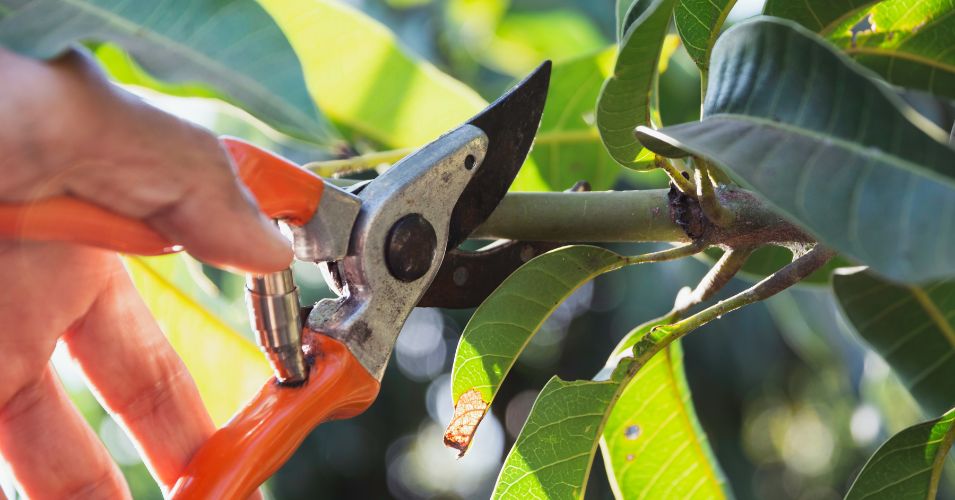
Summer is often seen as a time to relax in the garden, when everything is lush, green, and growing fast.
But this is also one of the most important seasons for pruning certain plants if you want them to stay healthy and look their best.
With the right cuts at the right time, you can shape growth, encourage more flowers, and prevent future problems before they start.
Why Summer Pruning Can Transform Your Garden
Summer pruning might feel counterintuitive at first. After all, your garden is already full and thriving, so cutting it back can seem unnecessary or even risky.
Yet this is exactly when thoughtful pruning can make the biggest difference, because plants are in an active growth phase and respond quickly to change.
When you remove excess or damaged growth, the plant redirects its energy into stronger stems, healthier leaves, and better blooms.
Instead of wasting resources on weak or overcrowded branches, it focuses on producing vigorous new growth that improves both structure and appearance. This makes your garden look more refined while also strengthening it from within.
Another major benefit is improved airflow. Dense foliage can trap moisture after rain or watering, creating ideal conditions for fungal diseases.
By thinning out crowded areas, you allow air and sunlight to move freely through the plant, which helps keep leaves dry and reduces the risk of infection. This small adjustment can prevent much larger problems later in the season.
Summer pruning is also a practical way to manage size and shape. Fast-growing plants can quickly become unruly, blocking light from neighboring plants or spilling into walkways.
A few well-placed cuts keep everything balanced and prevent one plant from taking over the space. It also allows you to maintain a clean, intentional look without waiting until winter.
Finally, pruning during summer can encourage repeat flowering in certain plants. Removing spent blooms signals the plant to produce new ones, extending the display of color well into the season.
With careful timing and a light touch, summer pruning becomes less about cutting back and more about helping your garden reach its full potential.
Flowering Shrubs That Benefit From a Summer Trim
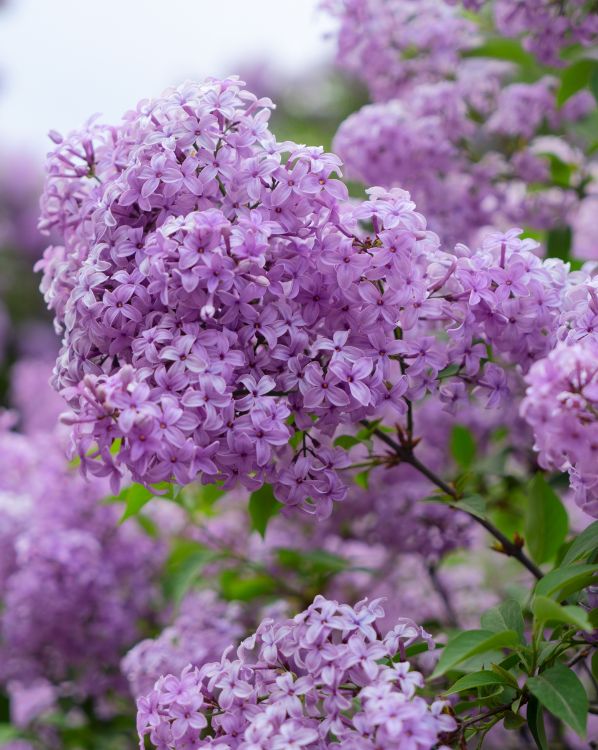
Flowering shrubs respond best to summer pruning when you combine good timing with careful technique. The goal is not just to cut them back, but to shape them in a way that supports future blooms while keeping the plant healthy and full.
Shrubs like lilac, forsythia, and mock orange should be pruned soon after their flowers fade. At this point, they begin forming the buds for next year, so timing is key. When trimming, focus on cutting back the stems that have just flowered, making your cut just above a strong pair of leaves. This encourages fresh shoots that will carry future blooms.
Begin by thinning out older wood. Look for thicker, woody stems that are no longer producing many flowers, and remove a few at the base. This opens up the center of the shrub and allows light to reach younger, more productive growth. It also prevents the plant from becoming too dense over time.
Next, shape the shrub with light trimming. Step back occasionally and look at the overall form before making each cut. Aim for a natural, balanced shape rather than a rigid outline. Cutting too uniformly can reduce the number of flowering stems, so keep your approach varied and selective.
For shrubs that have become overgrown, resist the urge to cut everything back hard in one go. Instead, spread heavier pruning over a couple of seasons. This helps the plant recover more easily and avoids a sudden loss of blooms.
With the right approach, summer pruning keeps flowering shrubs looking fresh while quietly preparing them for an even better display next year.
Fruit Plants That Need a Mid-Season Cut
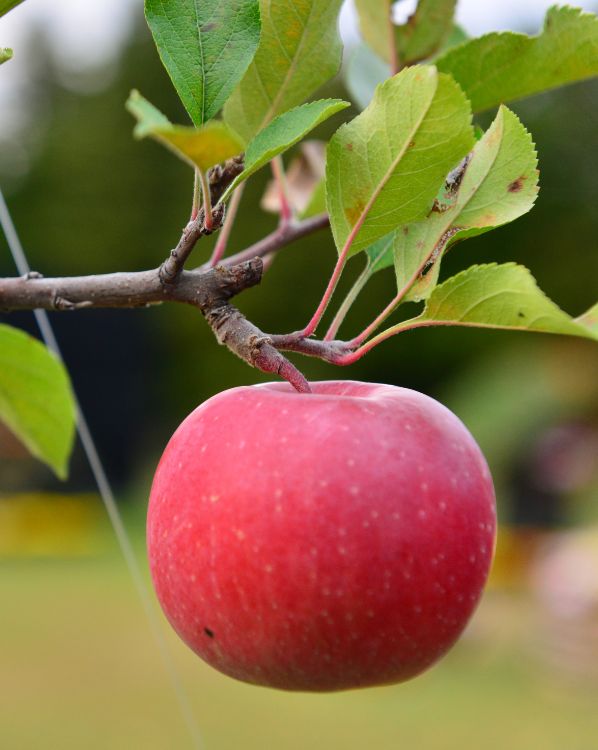
Fruit plants benefit from summer pruning when the focus shifts from shaping to improving harvest quality. At this stage, the goal is to help sunlight reach developing fruit and to prevent the plant from wasting energy on unproductive growth.
For trees like apple, pear, and plum, start by identifying overly vigorous shoots, often called water sprouts. These grow quickly, usually straight upward, and rarely produce fruit. Cut them back to their base or to a lower side shoot. This redirects energy toward fruiting branches instead of leafy expansion.
Next, thin out crowded areas where leaves are blocking light from reaching the fruit. Make careful cuts just above a bud that faces outward, which encourages an open structure. Better light exposure helps fruit ripen more evenly and improves both taste and color.
When shortening branches, avoid cutting randomly. Trim back to a healthy bud or side branch rather than leaving stubs, since stubs can die back and invite disease. Keep your cuts clean and angled slightly so water does not sit on the surface.
Fruit bushes such as blackcurrant, gooseberry, and raspberry also respond well to a mid-season trim. Remove old canes that have already fruited, cutting them down to ground level. This creates space for new canes that will produce next year’s crop. At the same time, thin out weak or crowded shoots to improve airflow and reduce the risk of mildew.
As with all summer pruning, avoid removing too much at once. A light, targeted approach keeps the plant productive while improving the overall quality of your harvest.
Perennials That Thrive With Strategic Pruning
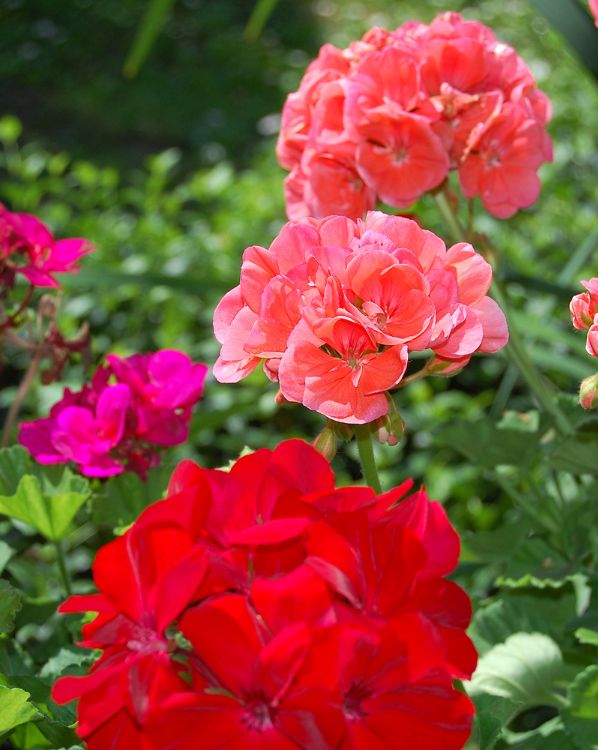
Perennials respond beautifully to summer pruning when you focus on encouraging repeat blooms and maintaining a tidy shape. With a few simple techniques, you can keep these plants looking fresh and full of life throughout the season.
Start with deadheading, which means removing faded flowers. Plants like salvia, catmint, and geranium benefit greatly from this. Cut the flower stem back to just above a set of healthy leaves. This signals the plant to produce new buds rather than invest energy in seeds, often leading to a second wave of blooms.
For perennials that become leggy or floppy, a light trim can help restore their shape. Cut back about one-third of the growth, focusing on stems that are stretching too far or leaning outward. Always cut just above a leaf node to encourage compact regrowth.
Thinning is another useful technique, especially for plants like phlox and delphinium. Remove a few stems at the base to open up the plant and improve airflow. This reduces the chance of fungal issues and allows the remaining stems to grow stronger.
If a plant looks tired after its first flowering, a more noticeable cutback can refresh it. Trim it down to a lower set of leaves, water it well, and give it time to recover. Many perennials will respond with fresh growth and renewed blooms.
By using these simple methods, you help perennials stay vibrant, balanced, and productive for much longer.
Common Mistakes to Avoid When Pruning in Warm Weather
Pruning in summer can deliver excellent results, but it is easy to make mistakes that do more harm than good.
One of the most common issues is cutting too much at once. When a plant loses a large portion of its foliage, it can struggle to recover, especially during hot and dry periods. Leaves play a key role in producing energy, so removing too many can weaken the plant and slow its growth.
Another frequent mistake is pruning at the wrong time of day. Midday heat can put extra stress on freshly cut plants. The combination of strong sun and high temperatures can cause moisture loss and damage exposed tissues. Early morning or late afternoon is a better choice, as conditions are cooler and less intense.
Using dull or unclean tools is another problem that often goes unnoticed. Rough cuts take longer to heal and can leave plants vulnerable to disease. Dirty tools can also spread infections from one plant to another. Keeping tools sharp and clean ensures smoother cuts and healthier plants overall.
Some gardeners also prune without considering the plant’s growth habits. Cutting a shrub or perennial at the wrong stage can remove developing buds or reduce future flowering. Understanding whether a plant blooms on old or new growth helps you decide when and how much to prune.
Ignoring signs of stress is another misstep. If a plant is already struggling due to heat or lack of water, pruning can make things worse. It is better to wait until the plant is in a stronger condition before making any cuts.
By avoiding these common errors, you give your plants the best chance to respond positively. Careful timing, gentle techniques, and attention to detail can make summer pruning a safe and effective practice.
Final Thoughts
Summer pruning is not just a maintenance task; it is a way to actively shape the health and beauty of your garden. With the right approach, you can guide growth, improve flowering, and keep plants looking their best throughout the season.
The key is to stay observant and responsive. Each plant has its own needs, and learning to recognize them will help you make better decisions over time.
By pruning with care and intention, you create a garden that feels balanced, vibrant, and full of life well beyond the peak of summer.