
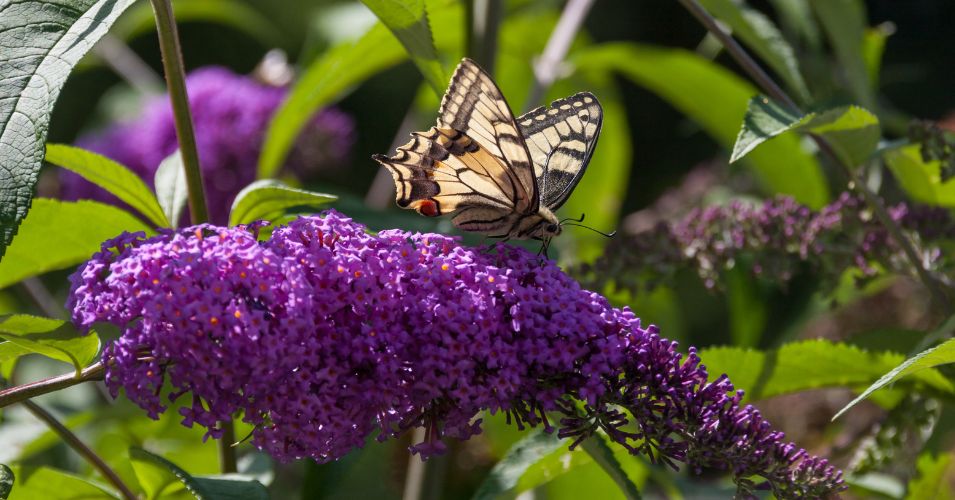
Butterfly bush is a favorite in sunny gardens for good reason. Its long-lasting blooms bring in butterflies, bees, and hummingbirds while adding plenty of color during the warmest months of the year.
As impressive as it is on its own, this shrub looks even better when surrounded by plants that complement its size, shape, and growing habits. The right companions can extend the flowering season, add texture, and create a landscape that feels full instead of sparse.
Whether you prefer a cottage garden or a more polished border, choosing compatible plants will help your butterfly bush truly stand out.
Choosing Flowering Perennials for Butterfly Bush
A butterfly bush naturally draws attention once it begins flowering, but it can leave the rest of the border looking a little empty if it is planted on its own.
Adding a few well-chosen perennials fills those gaps while creating a display that changes throughout the season. Since butterfly bush prefers full sun and well-drained soil, it is worth choosing plants that enjoy the same conditions.
Coneflowers are a natural match. Their large daisy-like flowers bloom at roughly the same time as butterfly bush, so both plants work together to attract butterflies, bees, and other pollinators.
The rounded blooms also break up the tall flower spikes of the shrub, creating a planting that feels more balanced without looking too formal.
Salvia brings a different shape to the border. Its upright flower spikes blend naturally with butterfly bush while adding rich shades of blue, purple, pink, or red.
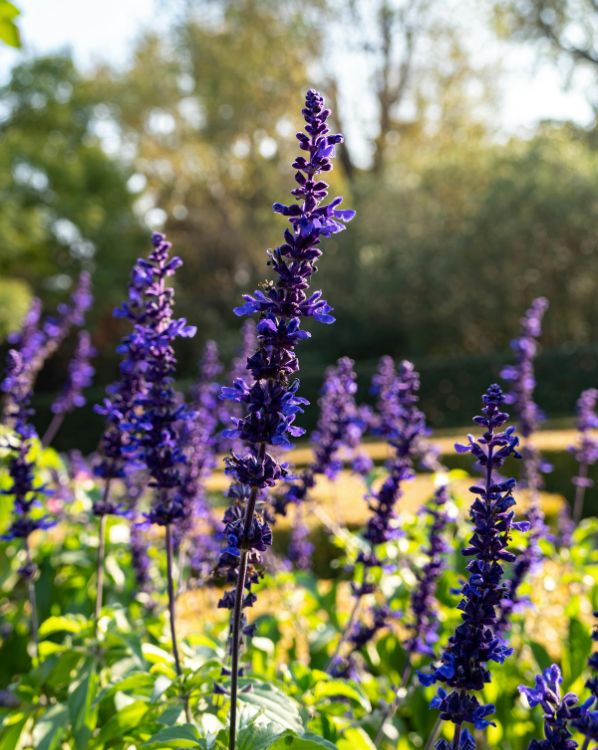
Both plants flower over a long period, so the display stays colorful for much of the summer. Hummingbirds are also frequent visitors, making the garden feel even livelier on warm days.
To soften the planting, catmint works beautifully around the base of the shrub. Its mounded habit covers bare soil, while the gray-green foliage and lavender-blue flowers provide a gentle contrast to the larger leaves of butterfly bush.
It also handles dry conditions well once established, making it an easy addition to sunny borders.
These three perennials each bring something different to the garden. Together they create a planting with varied heights, flower shapes, and color, allowing the butterfly bush to stand out while ensuring the surrounding bed looks full from early summer until fall.
Why Ornamental Grasses Pair So Well with Butterfly Bush
Flowers naturally steal the spotlight, but ornamental grasses often make the difference between a garden that looks good for a few weeks and one that looks attractive for most of the year.
Their graceful leaves and airy seed heads soften the bold outline of a butterfly bush, adding movement that changes with every breeze.
This combination also works because both plants generally ask for the same conditions. Full sun, well-drained soil, and moderate watering suit most butterfly bushes as well as many ornamental grasses.
Once established, both are relatively drought-tolerant, making them a practical pairing for gardeners who want an attractive landscape without constant maintenance.
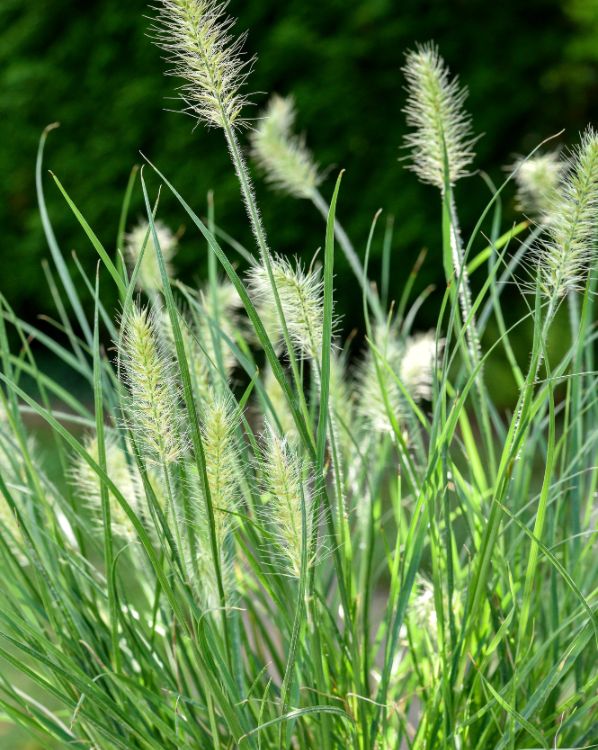
Fountain grass is a favorite because of its arching habit and soft plumes that appear from late summer into fall. The flowing leaves help balance the butterfly bush’s larger branches, while the feathery flower heads introduce a lighter texture that keeps the planting from feeling heavy.
Switchgrass creates a different effect. Its upright stems bring strong vertical lines that complement the rounded shape of a mature butterfly bush without competing for attention. As the season changes, many varieties develop shades of gold, burgundy, or red, adding fresh interest after flowering shrubs begin to fade.
Little bluestem is another excellent option, particularly in gardens that emphasize native plants. Its blue-green foliage gradually transforms into warm copper and orange tones in autumn, extending the season’s color long after many perennials have finished blooming.
Even in winter, the dried stems continue to add structure to the landscape.
Ornamental grasses also help tie a planting together. Instead of seeing individual flowers scattered throughout the border, the flowing foliage connects each section into a more unified display.
This creates a softer, more natural appearance that works especially well in cottage gardens, prairie-inspired landscapes, and informal mixed borders.
Even after the butterfly bush drops its leaves, many grasses continue providing texture and movement. Their seed heads catch frost, sway in winter winds, and give the garden a finished look when most flowering plants have disappeared.
That year-round appeal is one of the biggest reasons ornamental grasses remain some of the best companions for butterfly bush.
Flowering Shrubs That Complement Butterfly Bush Throughout the Season
A butterfly bush does not have to be the only shrub carrying the garden through summer. Mixing it with another flowering shrub creates a landscape that feels more complete, with blooms appearing over a much longer period.
Instead of one dramatic flush of flowers, the display changes gradually as each shrub reaches its peak.
Spirea is one of the easiest companions to grow. Most varieties bloom in late spring or early summer, adding clusters of white or pink flowers before butterfly bush is covered in blooms.
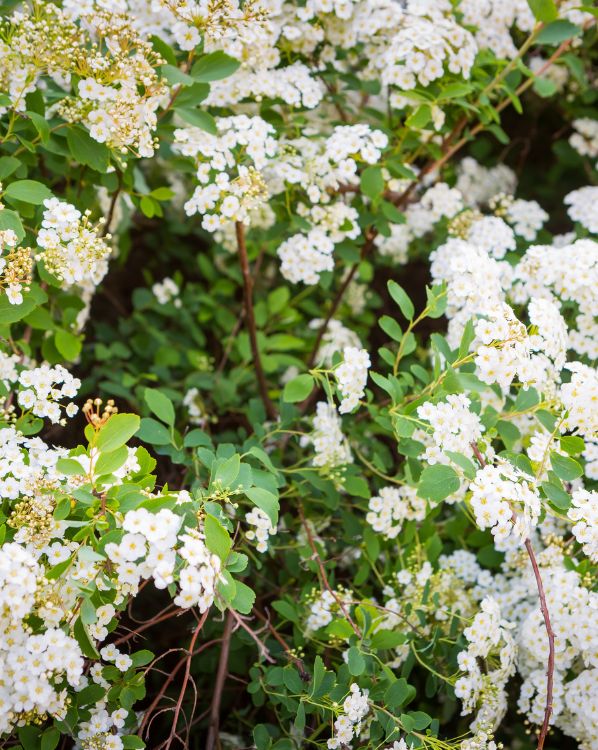
That staggered flowering keeps the garden from having quiet periods where very little is happening. Once flowering ends, spirea continues earning its place with neat foliage that often develops attractive shades of gold, orange, or red later in the year.
For gardeners who want flowers to continue well into late summer, rose of Sharon is another excellent match. Its large, tropical-looking blooms appear around the same time butterfly bush is attracting clouds of butterflies and bees.
The two shrubs have very different flower shapes, which prevents the planting from looking repetitive. Rose of Sharon also adds extra height, making it a good choice for the backs of borders or along fences, where it can serve as a colorful backdrop.
Although both shrubs enjoy sunny conditions, it is important to leave enough space between them. Butterfly bushes grow quickly and develop wide, arching branches, while rose of Sharon can become a substantial shrub over time.
Proper spacing improves air circulation and allows each plant to develop its natural form instead of competing for light.
Color is another factor worth considering. Purple butterfly bushes look especially striking beside white spirea, while pink or lavender varieties blend naturally with rose of Sharon in similar shades.
You can also create more contrast by pairing cool colored flowers with shrubs that bloom in soft pinks or crisp white.
When these shrubs are planted together, the result feels less like a collection of individual plants and more like a garden that changes with the seasons. One shrub begins flowering as another finishes, giving pollinators a steady source of nectar while keeping the landscape colorful for much longer.
Annual Flowers That Add Long-Lasting Color Around Butterfly Bush
Butterfly bush can leave bare patches around its base, especially while it is putting on new growth in early summer.
Annual flowers are an easy way to fill those spaces without competing with the shrub itself. They grow quickly, flower for months, and can be changed from year to year if you want a different look.
Zinnias are among the best choices because they share the butterfly bush’s love of sunshine. Their bright blooms appear in shades of red, orange, pink, yellow, purple, and white, making it easy to create almost any color scheme.
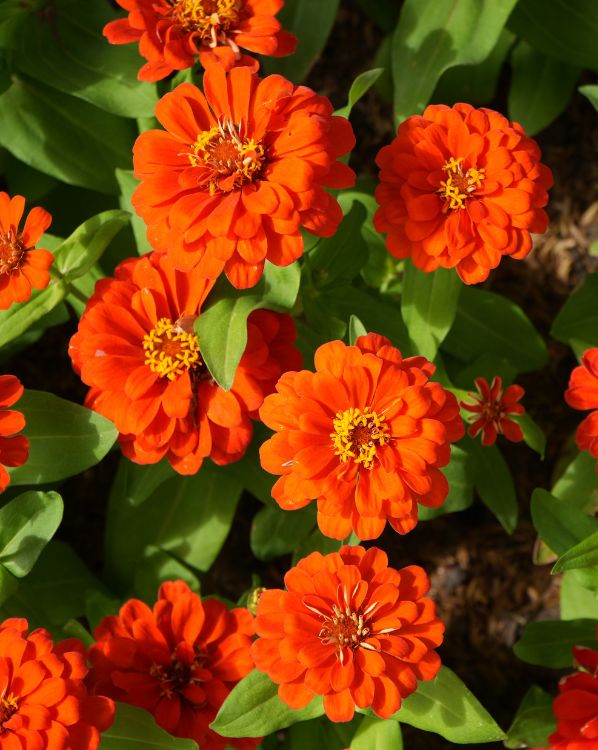
Butterflies rarely ignore them, often moving between zinnias and butterfly bush throughout the day. Since the flowers continue appearing until frost, they help the planting stay lively long after many perennials have finished blooming.
If you prefer something with a softer appearance, cosmos offers a completely different effect. Slender stems and delicate foliage create an airy layer beneath the butterfly bush’s broader leaves, while simple daisy-like flowers seem to float above the planting.
Despite their delicate appearance, cosmos are remarkably tough once established and cope well with hot, sunny locations.
One advantage of using annuals is the freedom to experiment. If you decide next season that you want warmer colors or a completely different style, replacing annual flowers is simple. That flexibility makes them useful for gardeners who enjoy refreshing their borders every year without redesigning the entire landscape.
Position taller annuals slightly behind lower-growing varieties so the planting has a natural flow from front to back. The butterfly bush remains the focal point, but the surrounding flowers prevent the bed from looking sparse or unfinished.
Deadheading also helps many annuals continue blooming, rewarding a few minutes of maintenance with weeks of extra color.
Rather than competing for attention, annual flowers highlight the butterfly bush by filling the spaces it cannot. Together, they create a planting that looks full from the ground up and stays colorful until the growing season finally ends.
Herbs and Native Plants That Support a Pollinator Garden
If your goal is to attract more butterflies, planting a butterfly bush is only part of the equation. A wider mix of nectar-rich plants encourages pollinators to stay in the garden longer while also providing food at different points in the season.
Herbs and native plants are especially useful because many are easy to grow, drought-tolerant once established, and perfectly suited to the same sunny conditions that butterfly bush enjoys.
One plant that deserves a place nearby is bee balm. Its unusual flowers almost look like colorful fireworks, giving the border a completely different shape from the butterfly bush’s long flower spikes.
Butterflies are regular visitors, but hummingbirds and native bees are just as likely to stop by. Since bee balm blooms for much of the summer, it helps keep the garden active while the butterfly bush is in bloom.
Lavender offers something different. Instead of large, showy flowers, it contributes neat mounds of fragrant foliage topped with compact purple flower spikes.
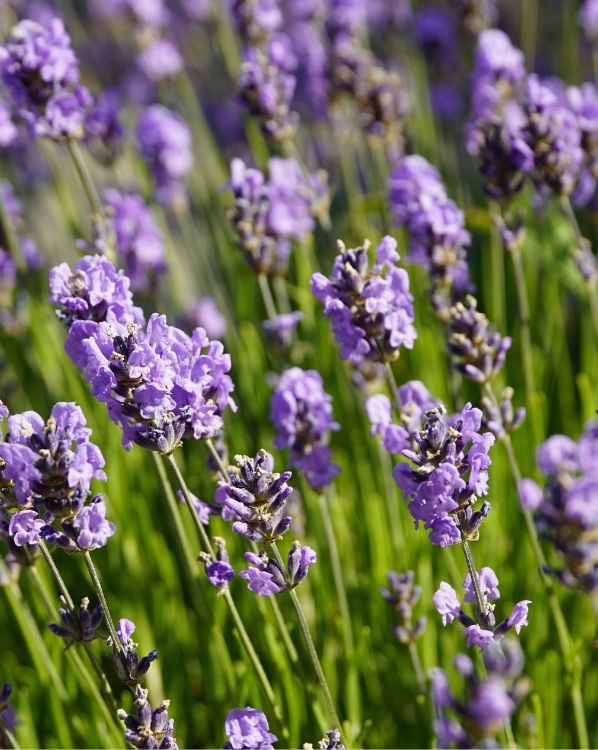
The silvery leaves provide year-round interest in many climates, and the scent is just as enjoyable for gardeners as it is attractive to pollinators. Because lavender prefers dry, sunny conditions, it grows comfortably alongside butterfly bush without needing different care.
For a longer flowering season, anise hyssop is difficult to overlook. Its slender spikes of lavender-blue flowers continue to appear for weeks, often well into late summer.
The lightly scented foliage adds another layer of interest, while the upright habit blends naturally with nearby shrubs and perennials. It has a relaxed appearance that works especially well in cottage gardens and native plant borders.
Using these plants together creates more variety than relying on butterfly bush alone. Different flower shapes appeal to different pollinators, and overlapping bloom times mean there is rarely a shortage of nectar.
The planting also feels more natural, with herbs, perennials, and shrubs weaving together instead of standing as separate features.
A pollinator garden is often at its best when it looks slightly informal. Allowing plants to mingle, while still giving each enough room to grow, creates the kind of layered display that butterflies and bees seem to prefer. Over time, the garden becomes busier, more colorful, and far more rewarding than a single shrub could ever achieve on its own.
Final Thoughts
The right companion plants do more than make a butterfly bush look attractive. They turn it into part of a garden that offers color, texture, and nectar from spring until fall.
By mixing flowering perennials, ornamental grasses, shrubs, annuals, herbs, and native plants, you create a landscape that changes naturally as the seasons pass rather than peaking for only a few weeks.
The best combinations are usually the simplest ones. Choose plants that enjoy the same sunny conditions, vary their heights and flower shapes, and leave enough space for each to mature comfortably. Those small decisions make a noticeable difference as the border fills out over the years.
As your garden becomes more established, you will likely notice more than just butterflies. Bees, hummingbirds, and other beneficial insects will begin visiting regularly, adding movement and life to the landscape.
With a thoughtful selection of companion plants, a butterfly bush becomes more than a flowering shrub. It becomes the centerpiece of a garden that is just as enjoyable for wildlife as it is for you.