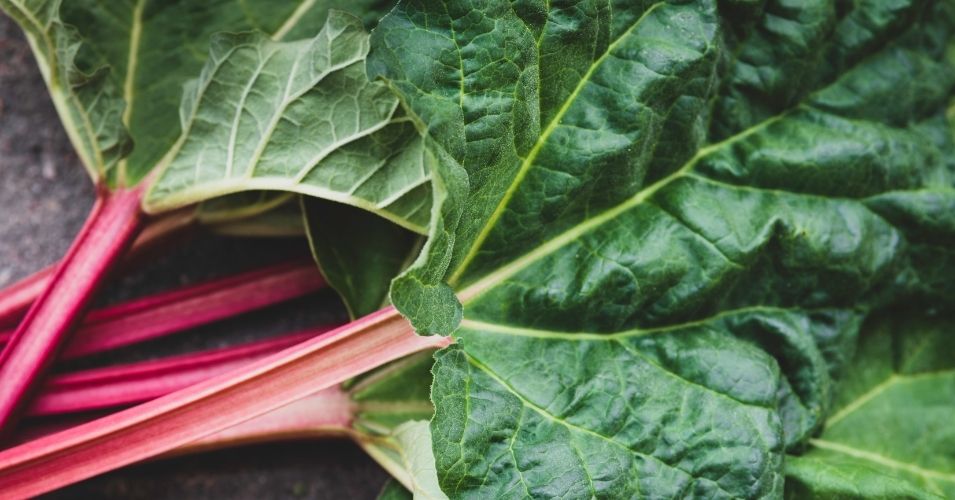
Rhubarb is often grown for its bright, tart stalks, but the large leafy tops can leave gardeners wondering what to do with the rest of the plant. While the leaves are not safe to eat, they still have value in the garden when used properly.
Instead of throwing them away, many gardeners find creative and practical ways to put rhubarb leaves to good use. These uses can support soil health, reduce pests, and even improve the overall strength of your garden.
With a little knowledge, what once seemed like waste can become a helpful part of your growing routine.
Why Rhubarb Leaves Should Not Be Eaten
Rhubarb leaves may look large and vibrant, but they contain compounds that make them unsafe for consumption. The primary concern is oxalic acid, which is naturally present in high amounts within the leaves.
This substance can interfere with the body’s ability to absorb calcium and may cause discomfort if consumed.
Even though the stalks are widely used in cooking, the leaves remain toxic regardless of how they are prepared. Cooking, boiling, or drying the leaves does not remove the harmful compounds.
This is why experienced gardeners always separate the stalks from the leaves as soon as they are harvested.
It is important to handle rhubarb leaves with basic care, especially if you have pets or children nearby. While brief contact is not usually harmful, ingestion should always be avoided. Keeping the leaves out of reach and disposing of them properly helps prevent accidental exposure.
Understanding this difference between the edible stalks and the inedible leaves is key to safely enjoying rhubarb. Many people assume that the entire plant can be used in the kitchen, which can lead to confusion if they are not familiar with how rhubarb grows.
The good news is that even though the leaves are not edible, they are far from useless. When used correctly, they can still play an important role in maintaining a healthy garden.
By treating the leaves as a resource instead of waste, you can turn a potential hazard into something practical and beneficial for your plants.
Turn Its Leaves Into Natural Garden Mulch
Rhubarb leaves can be repurposed as a natural mulch that helps improve soil conditions and protect your garden. Their large size makes them especially effective at covering the ground and creating a barrier that holds moisture in place.
This can be particularly helpful during warmer months when the soil tends to dry out more quickly.
To use rhubarb leaves as mulch, start by placing them around the base of plants or over empty garden beds. As leaves break down, they add organic matter to the soil, which improves soil structure and nutrient availability.
This gradual decomposition helps feed the soil over time without the need for constant intervention.
Mulch made from rhubarb leaves can also reduce weed growth by blocking sunlight from reaching the soil surface.
With fewer weeds competing for water and nutrients, your plants have a better chance to grow strong and healthy. This simple layer can make a noticeable difference in overall garden maintenance.
Another benefit is temperature regulation. The leaves act as a protective layer that keeps the soil cooler on hot days and helps retain warmth on cooler nights. This creates a more stable environment for plant roots, which can support steady growth.
It is best to spread the leaves in a thin, even layer and allow air to circulate them. Over time, they will soften and blend into the soil naturally.
By using rhubarb leaves as mulch, you turn a byproduct of harvesting into a useful tool that supports your garden in multiple ways.
Use Rhubarb Leaves to Support Compost Health
Rhubarb leaves can play a valuable role in building rich, balanced compost when added with care and intention.
Although they are not suitable for consumption, the same compounds that make them unsafe break down safely during composting. Over time, these leaves transform into nutrient-rich organic matter that benefits your soil.
Adding rhubarb leaves to your compost pile increases the amount of green material, which provides nitrogen that supports decomposition. This nitrogen works together with brown materials like dry leaves or cardboard to create a balanced compost mix.
When the ratio is right, the pile breaks down more efficiently and produces higher-quality compost.
It is best to chop or tear the leaves into smaller pieces before adding them. Smaller pieces decompose faster and blend more evenly with other materials in the pile.
This helps maintain airflow and prevents the compost from becoming too compacted or slow to break down.
Rhubarb leaves also hold moisture, which can support the composting process during dry periods. A well-balanced pile should feel slightly damp, and these leaves can help maintain that condition without making the pile overly wet.
Over time, the harmful compounds in the leaves naturally break down, leaving behind safe and beneficial organic matter. This process allows you to reuse what would otherwise be discarded, turning it into something that supports plant health.
By including rhubarb leaves in your compost routine, you create a cycle where every part of the plant contributes to the garden in a meaningful way.
Create Simple Pest Control Solutions Using Leaves
Rhubarb leaves can also be used in simple pest control methods to help protect your garden naturally.
While the leaves are toxic when eaten, this property can make them useful for deterring certain insects when used carefully. One common approach is to create a basic leaf soak by placing chopped rhubarb leaves in water and letting them sit for a while.
This process releases compounds into the water that can help discourage pests from feeding on nearby plants.
Once strained, the liquid can be applied to affected areas as a mild deterrent. This type of solution is often used against common garden pests such as aphids and certain chewing insects.
While it is not a complete solution on its own, it can support a broader pest management approach when used alongside other methods.
It is important to apply any homemade solution with care and avoid spraying it directly onto edible plant parts. Using it around the base or on non-edible surfaces can reduce risk while still offering some protection.
Another simple method is to place whole rhubarb leaves around vulnerable plants as a temporary barrier. Their texture and natural compounds can make the area less inviting to pests that prefer softer or more accessible plants.
With thoughtful use, rhubarb leaves can be part of a natural strategy to help keep your garden balanced without relying heavily on chemical treatments.
Smart Ways to Handle and Dispose of Extra Leaves
Rhubarb leaves can quickly pile up during harvest, especially when plants are mature and producing large, full growth.
Knowing how to handle and dispose of them properly helps keep your garden clean while also making the most of what you have.
Start by removing the leaves from the stalks as soon as you harvest your rhubarb. This keeps the edible portion separate and reduces the chance of confusion later. It also makes it easier to handle the leaves, especially if you plan to reuse them in compost or mulch.
If you are not using the leaves right away, store them in a contained area that pets and children cannot reach.
A simple garden bin or designated compost corner works well for this purpose. Keeping them in one place helps prevent them from spreading across your yard.
For disposal, composting is often the most practical option. As the leaves break down, they return nutrients to the soil and support future plant growth.
If composting is not available, you can add them to a yard waste collection system, where they will still be processed safely.
Avoid burning rhubarb leaves, as the smoke can carry irritants that are not safe to inhale. It is also best not to leave large piles sitting on the soil without purpose, as they can trap excess moisture and create unwanted conditions.
By handling rhubarb leaves with care and intention, you maintain a safer garden space while turning what seems like waste into something useful or responsibly managed.
Final Thoughts
Rhubarb leaves may not be safe to eat, but they still offer many useful benefits when handled correctly in the garden.
By using them for mulch, compost, or simple pest control, you can turn what might seem like waste into something that supports healthier soil and stronger plants.
Taking the time to manage and reuse these leaves also helps reduce unnecessary waste and keeps your garden space clean and organized.
With a little awareness and care, every part of your rhubarb plant can serve a purpose, helping you get more value from each harvest while maintaining a safe, thriving garden.