
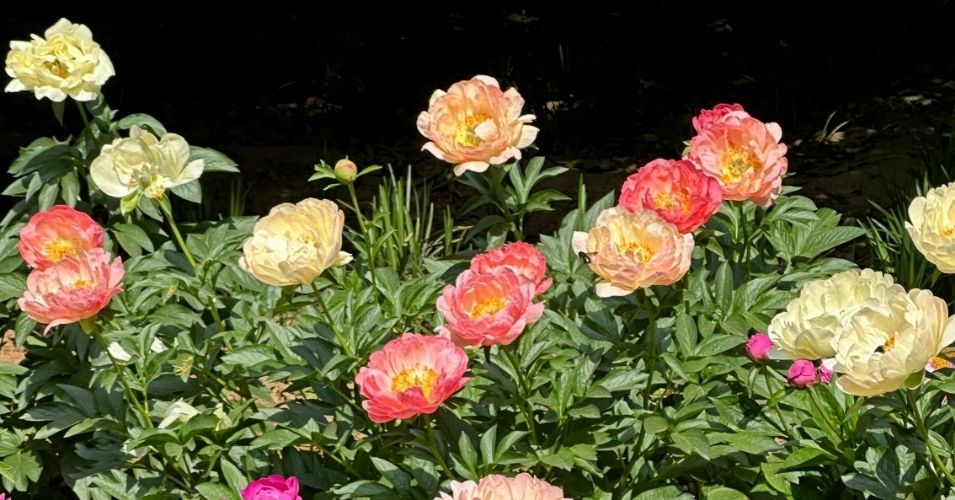
Peonies are one of those flowers that seem almost too beautiful to be real. Their soft, layered petals and rich fragrance can turn any garden into something unforgettable.
But once summer arrives, many gardeners are unsure how to keep their peonies looking strong and healthy after the main bloom fades. This is where proper care makes all the difference.
With the right attention, your plants will not only survive the heat but also store energy for an even better display next year.
In this guide, you will learn simple and effective ways to care for peonies throughout the summer season.
Help Your Peonies Stay Strong After Blooming
When the last petals fall, it can feel like your peonies are finished for the year. In reality, this is one of the most important moments in the plant’s life cycle because the plant is quietly preparing for next year.
After blooming, peonies shift their energy away from flowers and toward strengthening their roots. This stored energy is what fuels the next season’s growth, so the care you give now truly matters.
Start by removing any faded blooms. This simple step prevents the plant from putting effort into seed production. Use clean scissors and cut just above a healthy set of leaves. Keeping the foliage is essential, since those leaves continue to capture sunlight and transport nutrients to the roots.
It may be tempting to cut the plant back for a tidy look, but resist that urge. The leaves are still doing important work. Healthy green foliage means a stronger plant later.
You should also take a moment to check the stems. If any look damaged or weak, trim them carefully to maintain the plant’s overall structure. This helps airflow and reduces stress on the plant.
Adding a light layer of mulch around the base can also help. It keeps the soil cool and prevents weeds from competing for nutrients. Just be sure not to pile mulch directly against the stems.
Think of this period as a recovery phase. Your peonies are not resting. They are rebuilding strength. With a little attention now, you are setting the stage for a much more impressive bloom next year.
Water Wisely During Warm Summer Days
Summer heat can be tough on peonies, especially if rainfall is inconsistent. While these plants are fairly hardy, they still need the right balance of moisture to stay healthy.
The key is to water deeply but not too often. Shallow watering encourages weak roots that stay near the surface. Instead, give your peonies a thorough soak so the water reaches deeper into the soil. This helps roots grow stronger and more resilient.
A good rule is to water once or twice a week, depending on how hot and dry the weather is. If the soil feels dry a few inches below the surface, it is time to water again.
Try to water early in the morning. This allows moisture to soak in before the sun becomes too intense. It also helps reduce the risk of fungal problems, since the leaves have time to dry during the day.
Avoid watering from above. Wet leaves can lead to disease, especially in warm conditions. Instead, direct water at the base of the plant where it is needed most.
Mulch plays an important role here as well. A thin layer helps retain moisture and keeps the soil temperature stable. This means you will not need to water as frequently.
Be careful not to overwater. Peonies do not like soggy soil, and too much moisture can lead to root rot. Well-draining soil is essential for keeping them healthy.
By paying attention to how and when you water, you give your peonies a strong foundation to handle the stress of summer.
Keep Leaves Healthy and Free From Disease
Even after the blooms are gone, the leaves of your peony plant remain hard at work.
They act like solar panels, capturing sunlight and turning it into energy that feeds the roots. Keeping this foliage healthy is one of the most important parts of summer care.
Start by observing the leaves regularly. Look for any unusual spots, discoloration, or curling. These can be early signs of common issues such as fungal infections. Catching problems early makes them much easier to manage.
One of the best ways to prevent disease is to improve air circulation. If your peonies are planted too close together, consider thinning nearby plants. Good airflow helps leaves dry faster after rain or watering, which reduces the chance of fungus taking hold.
Always water at the base of the plant instead of overhead. Wet leaves create the perfect environment for disease to spread. Keeping the foliage dry goes a long way in maintaining plant health.
If you notice affected leaves, remove them promptly. Use clean tools and dispose of the clippings away from your garden. Do not compost diseased material, since it can spread the problem further.
Keeping the area around your peonies clean is just as important. Fallen leaves and plant debris can harbor harmful spores. A quick cleanup now and then helps prevent future trouble.
It also helps to avoid overcrowding with mulch or soil around the stems. Give the plant enough space to breathe at ground level.
Healthy leaves mean a stronger plant overall. When your peonies can continue gathering energy without interruption, they are much more likely to reward you with vibrant blooms in the next growing season.
Feed Your Plants for Future Blooms
While peonies are not heavy feeders, giving them the right nutrients during summer can make a noticeable difference. This is the time when the plant is storing energy, so a small boost can go a long way.
Choose a balanced fertilizer with moderate levels of nitrogen, phosphorus, and potassium. Too much nitrogen can lead to lush leaves but fewer flowers, so it is important to keep things in balance.
Apply fertilizer after the blooming period has ended. This allows the plant to focus on strengthening its roots rather than supporting flowers. Follow the instructions on the product carefully to avoid overfeeding.
Spread the fertilizer around the base of the plant, but keep it a few inches away from the stems. This prevents potential damage and encourages roots to grow outward in search of nutrients.
Water the soil lightly after feeding. This helps nutrients soak into the ground where roots can absorb them more easily.
Organic options such as compost can also be very effective. A thin layer worked into the topsoil provides slow, steady nourishment and improves soil structure over time.
Be mindful not to fertilize too late in the season. Feeding too close to autumn can encourage new growth that may not survive colder weather.
Think of feeding as a way to invest in the future. You may not see immediate results, but the plant is quietly building strength below the surface.
With consistent care and the right nutrients, your peonies will be well prepared to produce fuller, more vibrant blooms when the next spring arrives.
Prepare Your Peonies for the Seasons Ahead
As summer begins to fade, your peonies move into a quieter but very important stage of growth. The focus now is on strengthening the roots and preparing for colder months. What you do during this time helps determine how well your plant performs next year.
Keep the foliage in place as long as it remains green and healthy. These leaves are still collecting energy and sending it down to the roots. Only begin trimming when the leaves start to yellow or weaken naturally.
When it is time to cut back, trim the stems down to just above the soil level. Use clean, sharp tools to prevent the spread of disease. Removing old plant material helps keep your garden tidy and reduces the risk of pests settling in for winter.
It is also a good idea to clear away any fallen leaves or debris around the base of the plant. This simple step prevents fungal problems from carrying over into the next season.
As temperatures drop, consider adding a light layer of mulch. This helps insulate the roots and protects them from sudden temperature changes. Keep the mulch slightly away from the crown to avoid excess moisture buildup.
Avoid heavy watering late in the season. The plant does not need as much moisture as its growth slows. Let the soil dry slightly between watering sessions.
By taking a little time to prepare your peonies now, you are giving them a strong foundation for the months ahead. This careful attention sets the stage for healthy growth and beautiful blooms when spring returns.
Final Thoughts
Caring for peonies in summer is all about consistency and patience. Each small step you take helps the plant store energy, stay healthy, and prepare for the future.
From proper watering to keeping leaves in good condition, every action supports long-term success. Even when the flowers are gone, your effort continues to matter.
With the right approach, your peonies will reward you season after season with stronger growth and more beautiful blooms.