
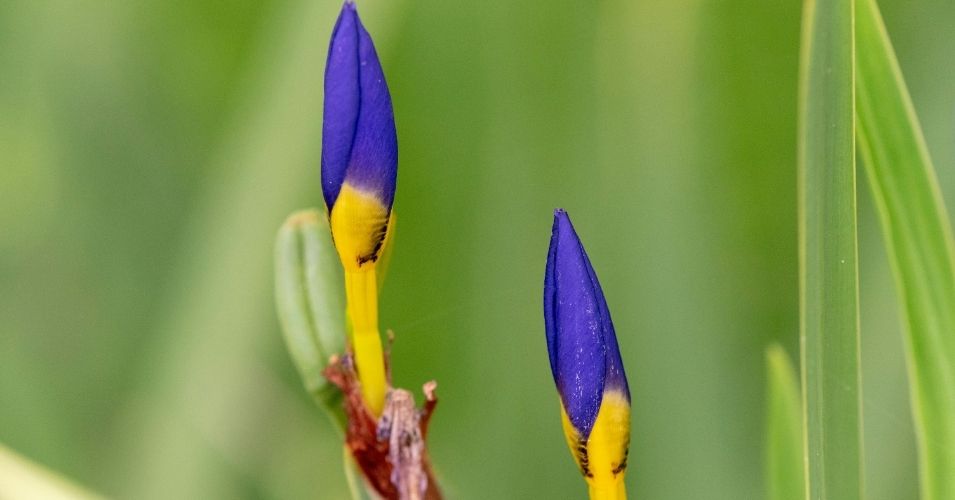
Irises are known for their striking blooms and elegant shape, yet many gardeners find themselves staring at leafy plants that never seem to flower.
It can feel frustrating when you have done everything you thought was right, only to see no color appear when the season arrives.
The truth is that irises are very specific about what they need, and even small missteps can quietly prevent blooming without obvious warning signs.
Once you understand what may be holding them back, you can make simple changes that help your plants thrive and finally produce the blooms you have been waiting for.
Too Much Shade Is Limiting Flower Production
Irises thrive in sunlight, and when they do not receive enough of it, their ability to produce blooms begins to fade. These plants rely on strong, direct light to provide the energy needed for bud formation, and without it, they prioritize survival over flowering.
A plant may still look healthy with tall green leaves, but that can be misleading. Leaf growth does not always mean the plant is strong enough to bloom, especially if it is stretching toward light rather than receiving it fully.
Many gardeners unknowingly place irises in areas that seem bright but are shaded for much of the day. Trees, fences, and even nearby shrubs can block sunlight during key hours, leaving the plants with only partial exposure.
Irises generally need at least six hours of direct sunlight each day to perform their best. When they fall short of this, blooming becomes inconsistent or stops altogether.
You may notice fewer buds forming each year, or none at all. Over time, the plant settles into a pattern of producing leaves without ever reaching its full potential.
To correct this, observe how sunlight moves across your garden throughout the day. This helps you identify areas where your irises may be missing critical light.
If relocation is possible, move your irises to a sunnier spot during their dormant period. This gives them time to adjust before the next growing season begins.
Trimming back surrounding plants can also make a big difference. Removing branches or thinning nearby growth allows more sunlight to reach the iris bed.
Once your irises receive consistent sunlight, they can redirect their energy toward blooming. With the right light conditions, you may start to see buds forming more reliably and flowers appearing as expected.
Overcrowded Rhizomes Are Stealing Energy
Irises grow from thick underground structures called rhizomes, and over time, these can become crowded if left undisturbed. When too many rhizomes compete for the same space, each one receives less water, fewer nutrients, and reduced airflow.
This overcrowding limits the plant’s ability to produce strong blooms. Instead of focusing on flowering, the plant spreads its energy thinly across too many growth points.
You might notice that your iris patch has become dense and tangled. The center of the clump may even appear weak or produce fewer leaves compared to the outer edges.
This is a clear sign that division is needed. Without it, the plants will continue to struggle and blooming will decline year after year.
Dividing irises is a simple but essential step in keeping them productive. It allows you to remove older, less active rhizomes and give the healthier ones room to grow.
The best time to divide irises is after they finish blooming. This gives the plants time to settle before the next season begins.
When dividing, gently lift the clump and separate the rhizomes by hand or with a clean tool. Keep the firm, healthy pieces and discard any that look soft or damaged.
Replant the selected rhizomes with enough space between them to allow air circulation and growth. Proper spacing helps prevent future overcrowding and encourages stronger development.
Once given room to breathe, irises often respond quickly. With less competition for resources, they can channel their energy into producing the blooms you have been missing.
Soil Conditions Are Not Supporting Healthy Growth
Irises depend on well-balanced soil to support both leaf growth and flower production. When the soil is too heavy, too dry, or lacking key nutrients, the plant struggles to develop the strength it needs to bloom.
One common issue is soil that holds too much water. Irises do not like sitting in wet conditions, and soggy soil can lead to weak roots and reduced energy for flowering.
On the other hand, soil that drains too quickly can leave the plant thirsty and undernourished. Without consistent moisture, the rhizomes cannot store enough energy to support blooms.
The texture of the soil plays a major role in this balance. Loose, well-draining soil allows roots to breathe while still holding enough moisture for steady growth.
Nutrient levels also matter more than many gardeners realize. If the soil lacks essential elements like phosphorus, the plant may produce leaves but fail to form buds.
Adding compost or organic matter can improve both structure and nutrient content. This creates an environment where irises can grow steadily without stress.
It is also helpful to test your soil if a lack of blooms remains a problem. A simple test can reveal imbalances that are not visible on the surface.
Adjusting the soil gradually over time often brings the best results. Sudden changes can shock the plant, while steady improvements help it adapt.
When soil conditions support healthy roots and steady growth, irises are far more likely to bloom. Strong roots lead to strong plants, and strong plants are what produce those beautiful flowers.
Improper Planting Depth Is Holding Blooms Back
Irises are very particular about how deeply they are planted, and even a small mistake can prevent blooming. The rhizome should sit close to the surface, with its top slightly exposed to sunlight.
When planted too deeply, the rhizome struggles to receive the warmth and light it needs. This slows down its development and limits its ability to produce flowers.
Deep planting also increases the risk of rot. When soil stays packed around the rhizome, moisture builds up and weakens the plant over time.
In contrast, planting too shallow can expose the roots and leave the plant unstable. However, most blooming issues come from planting too deep rather than too shallow.
Many gardeners accidentally bury rhizomes during planting or after adding mulch. Over time, soil can also settle and cover the rhizome more than intended.
If your irises are not blooming, it is worth checking their position in the soil. Gently clear away excess soil and make sure the top of the rhizome is visible.
Replanting may be necessary if they are buried too deeply. Lift the plant carefully and reset it so the rhizome sits just at the surface.
Avoid placing heavy mulch directly over the rhizomes. A light layer around the plant is enough to help retain moisture without covering the crown.
Once the rhizome is positioned correctly, the plant can absorb more warmth and energy from the sun. This simple adjustment often leads to improved blooming in the following season.
Nutrient Imbalance Affecting Bud Development
Irises need the right balance of nutrients to move from leafy growth into full bloom. When that balance is off, the plant may look strong but fail to produce flowers.
Too much nitrogen is one of the most common problems. It encourages lush green leaves, but it can delay or completely stop bud formation.
At the same time, a lack of phosphorus can quietly limit blooming. This nutrient plays a key role in flower development and energy transfer within the plant.
You may notice tall leaves with no buds forming at the base. This is often a sign that the plant is putting all its energy into foliage rather than flowers.
Fertilizing without understanding what your soil needs can make the issue worse. Applying general fertilizers without checking nutrient levels may lead to excess in one area and deficiency in another.
A balanced fertilizer with a lower nitrogen ratio can help redirect the plant’s energy. Products labeled for blooming plants often contain higher phosphorus levels that support bud formation.
Timing also matters when feeding irises. Applying fertilizer too late in the season may not give the plant enough time to use those nutrients for blooming.
Light feeding in early growth stages usually brings better results. This supports the plant as it begins forming buds rather than after the opportunity has passed.
Over time, consistent and balanced feeding helps restore the plant’s natural rhythm. Once nutrients are aligned with the plant’s needs, blooming becomes more reliable and rewarding.
Final Thoughts
If your irises are not blooming, there is always a reason behind it. These plants respond closely to their environment, and even small adjustments can make a noticeable difference.
By improving sunlight, spacing, soil, planting depth, and nutrient balance, you give your irises everything they need to thrive.
With a little patience and the right care, those quiet green leaves can turn into vibrant blooms that bring your garden back to life.