
Gardening advice often sounds like a full-time job. Water every morning. Deadhead every bloom. Feed the soil every few weeks.
For many people, that level of effort is not realistic.
The good news is that some flowering perennials thrive when left alone. In fact, too much care can make them weaker instead of stronger.
These hardy plants return year after year with little attention, rewarding even forgetful gardeners with colorful blooms and healthy growth.
Whether you are dealing with dry soil, busy schedules, or a tendency to forget the watering can, some perennials will happily grow without constant supervision.
Why Certain Perennials Grow Better Without Constant Care
Many gardeners assume that more attention automatically leads to healthier plants. In reality, some perennials perform better when they are not constantly watered, trimmed, or fertilized.
These tough plants evolved in harsh environments where they had to survive dry soil, strong sun, and changing temperatures without human help. As a result, excessive care can actually lead to slower growth.
Overwatering is one of the biggest problems. Many hardy perennials develop deep root systems that search for moisture underground. When gardeners water too often, those roots stay close to the surface instead of growing deeper. The plant becomes dependent on regular watering and struggles during hot weather.
Heavy fertilizer can also backfire. Plants like Coneflower, Yarrow, and Russian Sage often become floppy when given too many nutrients. Instead of producing sturdy stems and vibrant flowers, they grow tall and weak. Their natural resilience disappears under overly rich conditions.
Constant pruning creates another issue. Some gardeners rush to remove every faded bloom or stray stem. While occasional trimming helps, excessive cutting can stress plants that are naturally meant to spread and grow freely. Perennials are often stronger when allowed to follow their natural rhythm.
Neglect does not mean complete abandonment. Even the toughest flowers need some attention during their first growing season while roots become established.
After that stage, many perennials settle into a routine that requires surprisingly little effort. A simple watering during severe drought and occasional cleanup in spring may be enough.
This is one reason low-maintenance gardens have become so popular. People are discovering that less work does not always mean fewer flowers. In many cases, it produces stronger plants and a more natural-looking landscape.
Gardens filled with hardy perennials also attract pollinators more effectively. Bees and butterflies are often drawn to plants that grow naturally without excessive interference. A slightly wild garden tends to feel more alive, colorful, and balanced throughout the season.
Flowering Perennials That Thrive in Tough Conditions
Some flowering perennials seem almost impossible to disappoint. They survive heat, poor soil, dry weather, and occasional neglect while continuing to bloom year after year. These are the plants that make gardening feel rewarding instead of exhausting.
Black Eyed Susan is one of the best examples. Its golden yellow flowers brighten gardens for weeks during summer, even in dry conditions.
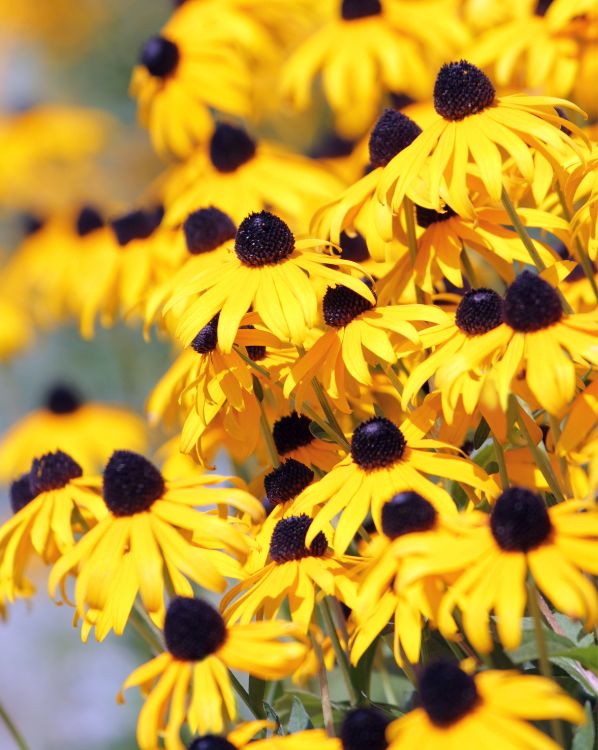
Once established, this plant rarely asks for extra water and handles intense sunlight with ease. It spreads steadily without becoming difficult to manage, making it perfect for relaxed gardens.
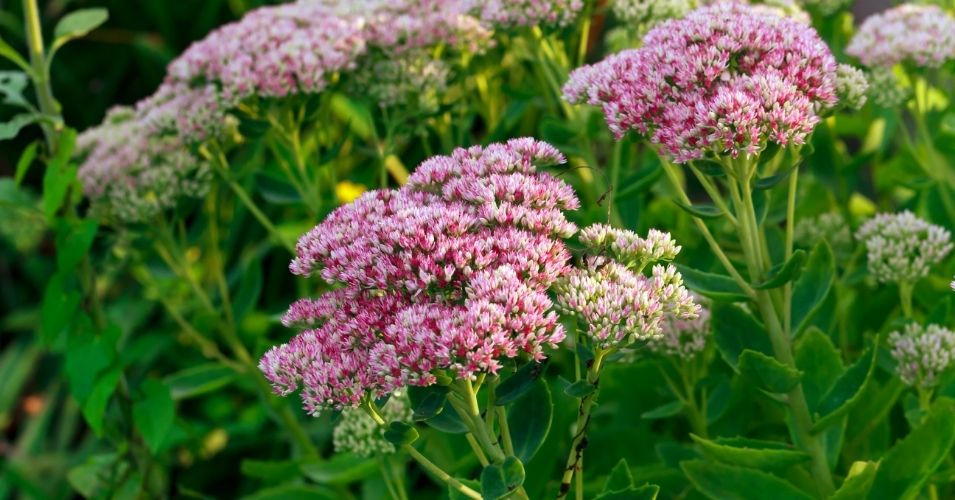
Another dependable favorite is Sedum, especially upright varieties like Autumn Joy. Thick leaves naturally retain moisture, allowing the plant to tolerate drought far better than delicate flowers. During late summer and early fall, clusters of blooms attract butterflies while adding rich texture to garden beds.
For gardeners dealing with rocky or poor soil, Lavender often performs beautifully. In fact, it usually struggles in overly rich or soggy ground. Dry conditions help lavender maintain its signature fragrance and compact shape. Once mature, it can thrive for years with minimal care.
Daylilies are another classic choice for people who do not want demanding plants. These flowers adapt to many environments and continue returning each season with very little attention. Some varieties bloom repeatedly throughout summer, creating long-lasting color with almost no effort.
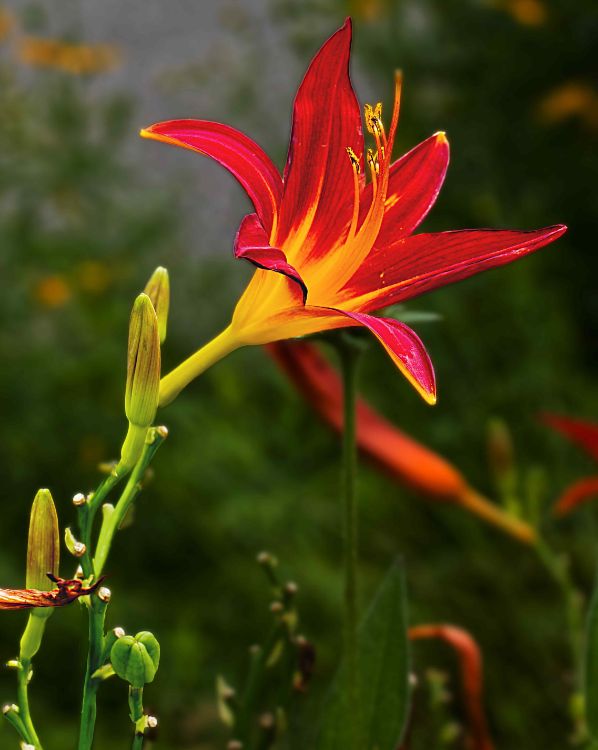
Tough conditions are also ideal for Blanket Flower. Its bright red and orange blooms tolerate heat exceptionally well and continue flowering even during dry spells. Unlike fragile annuals that fade quickly, blanket flowers keep pushing through difficult weather.
Many of these hardy perennials actually prefer being slightly ignored. Constant watering and fertilizing can reduce their natural durability. When left to grow under moderate conditions, they develop stronger roots and more reliable blooms.
That balance is what makes these plants so appealing. They provide color, texture, and movement without turning gardening into a demanding chore. Instead of spending every weekend maintaining flower beds, gardeners can enjoy the results.
The Best Long Blooming Perennials for Forgetful Gardeners
Some gardeners enjoy spending hours tending flower beds every week. Others want beautiful blooms without having to build their entire schedule around watering, trimming, and feeding plants.
Fortunately, several perennials continue to flower for long stretches with very little involvement from the people who grow them.
Catmint is one of the easiest choices for gardeners who occasionally forget about their plants. Its soft purple blooms appear for months, and the plant handles dry soil surprisingly well.
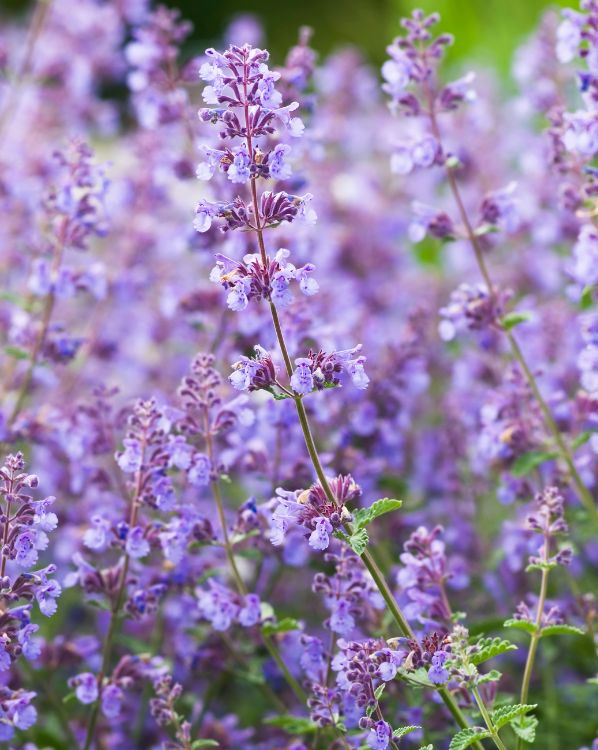
Even after periods of neglect, catmint quickly bounces back with fresh color and fragrant foliage. Bees especially love it, which adds extra movement and life to the garden.
Another standout is Coreopsis. This cheerful perennial produces bright yellow, pink, or orange flowers over an extended season. It tolerates heat, poor soil, and inconsistent watering better than many traditional garden flowers. Once established, coreopsis often blooms steadily from early summer into fall with minimal effort.
For dramatic color, Salvia delivers impressive results without demanding constant care. Tall spikes of purple, blue, or red flowers continue appearing through warm weather, especially when planted in sunny spots.
Unlike delicate annual flowers that collapse during dry periods, salvia remains sturdy and reliable even when conditions become challenging.
Shasta Daisy is another excellent option for busy gardeners. Large white flowers brighten garden beds for weeks and pair well with nearly every landscape style. These plants prefer simple conditions and often perform better when gardeners resist the urge to overwater or overfeed them.
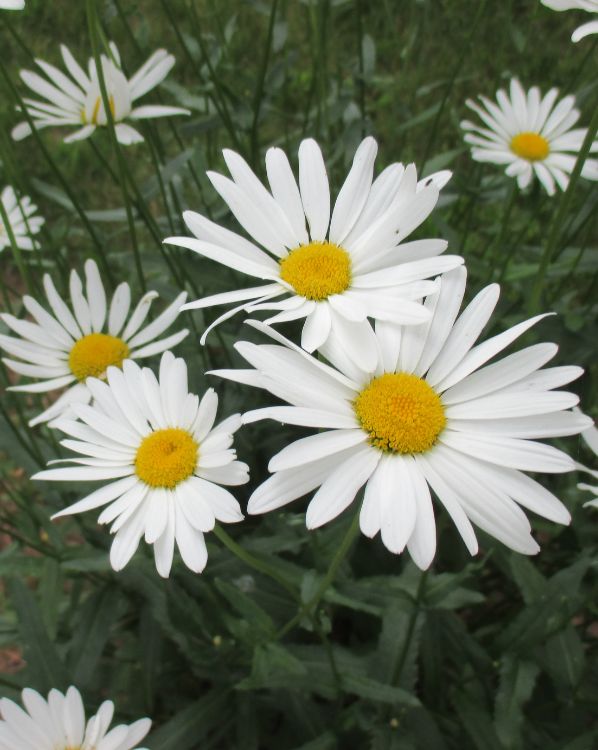
One of the most dependable long bloomers is Tickseed. Its daisy-like flowers continue to appear throughout much of the growing season, even during hot summers. This perennial thrives in average soil and usually needs little more than sunlight to stay healthy.
The beauty of these plants lies in their independence. They continue to grow and flower without constant supervision.
Instead of punishing gardeners for occasional neglect, they reward a relaxed approach with steady color and dependable performance year after year.
Common Gardening Mistakes That Hurt Hardy Plants
Hardy perennials are known for surviving difficult conditions, but many gardeners accidentally weaken them through unnecessary care. Plants that naturally thrive in dry soil and open sunlight often suffer when treated like delicate flowers that require constant attention.
Too much water is one of the most common mistakes. Gardeners frequently assume drooping leaves or slow growth mean plants are thirsty. In reality, overwatering can suffocate roots and encourage rot.
Perennials like Lavender, Yarrow, and Sedum prefer soil that dries out between waterings. Constant moisture creates stress instead of comfort.
Excess fertilizer causes problems as well. Many tough perennials evolved in poor soil where nutrients were limited. Feeding them heavily can produce weak stems and fewer blooms.
Plants such as Coneflower and Russian Sage often become floppy when overloaded with fertilizer, especially nitrogen-rich formulas that encourage soft, leafy growth.
Another issue comes from planting too closely together. Young plants may look small at first, but hardy perennials often spread rapidly once established. Crowded beds reduce airflow and increase the chance of fungal problems. Giving plants room to mature creates healthier growth and lowers maintenance over time.
Some gardeners also remove plants too quickly after blooming ends. Perennials naturally go through different stages throughout the season, and faded flowers do not always indicate the plant is unhealthy.
In many cases, seed heads and dried stems continue adding texture to the garden while supporting birds and pollinators. Cutting everything back too early can also interfere with future growth.
Patience matters more than perfection in a low-maintenance garden.
Another overlooked mistake is over-improving the soil. Rich, heavily amended soil may sound beneficial, but many hardy perennials prefer lean conditions. Overly soft soil can hold excess moisture and reduce the plant’s natural toughness.
The strongest perennial gardens often come from a lighter touch. Instead of constantly fixing, feeding, and adjusting, successful gardeners learn when to step back and let resilient plants do what they were designed to do naturally.
How to Build a Colorful Garden That Practically Runs Itself
Creating a low-effort garden does not mean settling for dull or lifeless flower beds.
In fact, some of the most vibrant gardens are built around hardy perennials that flourish with very little interference. The key is choosing plants that naturally suit the environment rather than constantly fighting it.
Start by paying attention to sunlight and soil conditions. Plants that love full sun should not be forced into shady corners, and drought-tolerant flowers will struggle in areas with constantly wet soil. Matching plants to the right location immediately reduces maintenance and improves long-term growth.
Layering different bloom times also helps create steady color throughout the season. Early bloomers like Creeping Phlox can bring spring color, while summer favorites such as Coneflower and Black Eyed Susan keep the garden bright during warmer months. Later in the year, plants like Sedum continue adding texture and bloom well into fall.
Grouping plants with similar needs also makes gardening far easier. Drought-tolerant perennials placed together create natural planting zones that require less watering and monitoring. This simple approach prevents high-maintenance plants from competing with tougher varieties.
Mulch can quietly do much of the work for you. A layer of mulch helps soil retain moisture, slows weed growth, and protects roots during extreme temperatures. That means less watering, fewer weeds, and fewer overall chores during the growing season.
Allowing plants to spread naturally also creates a fuller and more relaxed appearance over time. Perennials such as Catmint and Yarrow gradually fill empty spaces, reducing the need for constant replanting. Instead of chasing perfect symmetry, many gardeners discover that slightly natural-looking beds feel more welcoming and alive.
A successful low-maintenance garden depends on restraint as much as effort.
Overwatering, overfeeding, and excessive pruning often create more problems than they solve. Hardy perennials are built to survive changing weather and imperfect conditions. Once established, many of them perform best when gardeners step back and allow nature to take the lead.
Final Thoughts
Gardening does not have to become an endless cycle of watering schedules, fertilizer routines, and constant upkeep. Many flowering perennials are naturally equipped to handle dry weather, poor soil, and occasional neglect while still producing impressive blooms year after year.
Plants like Lavender, Coneflower, Sedum, and Black Eyed Susan prove that beautiful gardens can thrive without demanding constant attention. In many cases, giving these hardy perennials too much care actually hinders their growth rather than helping them.
A relaxed gardening style often creates healthier plants and a more natural landscape. By choosing resilient flowers and resisting the urge to overmanage every detail, gardeners can enjoy long-lasting color with far less effort.
Sometimes the best thing you can do for a garden is let it grow.