
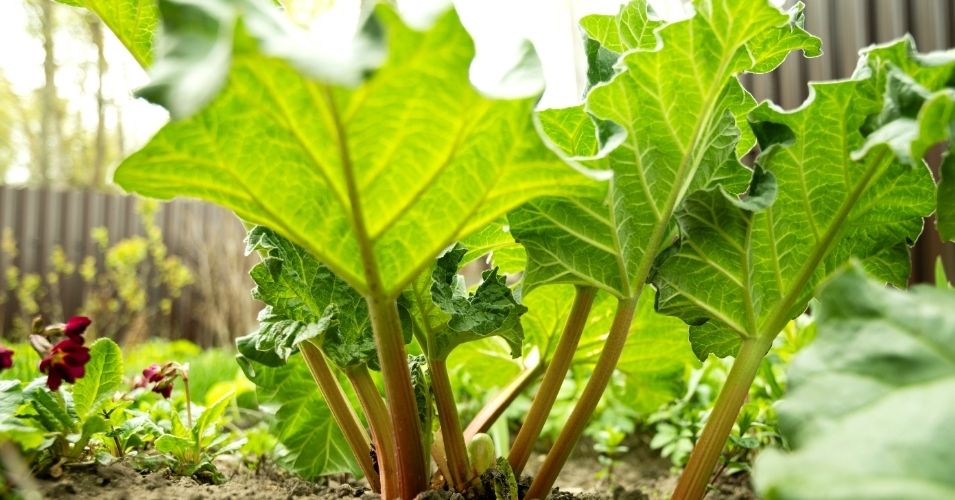
Rhubarb might look like a bold, easy plant, but summer is when it quietly asks for your attention.
Those tall red stalks can only stay healthy if you know what they need during the warmest months. Sun, water, and careful harvesting all play a part in keeping your plant strong and productive.
If you treat rhubarb right in summer, it will reward you not just this year, but for many seasons to come.
This guide will walk you through simple, practical steps that make a real difference in your garden.
Keep Your Rhubarb Hydrated When Heat Builds
When summer settles in and temperatures begin to climb, rhubarb plants can quickly lose moisture through their large leaves.
Those wide, green surfaces may look strong, but they act like sails in the sun, pulling water out of the plant faster than you might expect. This is why steady watering becomes one of the most important tasks during the hotter months.
A single deep soak is far more helpful than frequent light watering. When you water deeply, moisture travels down into the soil where the roots can actually reach it. This encourages the plant to develop stronger roots that can better withstand dry periods.
Shallow watering, on the other hand, keeps roots close to the surface, which makes the plant more vulnerable when the heat sticks around.
It helps to water early in the morning. The cooler air allows more water to sink into the soil before the sun evaporates it.
Evening watering can work too, but leaving the soil wet overnight may invite unwanted fungal issues. A calm morning routine usually gives the best balance.
Mulching is another simple trick that makes a noticeable difference. A layer of organic material, such as straw, grass clippings, or compost, helps the soil hold onto moisture.
It also keeps the roots cooler, which reduces stress on the plant. Even a few centimeters of mulch can slow down evaporation and keep conditions stable beneath the surface.
If the leaves begin to droop or lose their firm shape, that is often an early signal that your rhubarb needs more water. Paying attention to these small changes helps you respond before the plant becomes stressed.
With consistent care, your rhubarb will stay strong and continue to grow through even the warmest stretches of summer.
Feed the Plant Without Overdoing It
Rhubarb is a hardy plant, but it still benefits from the right nutrients at the right time. Summer is not about pushing rapid growth.
Instead, it is about supporting the plant so it can maintain its strength and prepare for the future. Feeding it carefully helps achieve that balance without causing problems.
A light application of fertilizer in early summer can give your rhubarb a helpful boost. Organic options like well-rotted manure or compost are often the safest choice. They release nutrients slowly, so the plant can absorb what it needs without being overwhelmed.
Chemical fertilizers can work too, but they should be used with caution and in smaller amounts.
Overfeeding can lead to lush, leafy growth that looks impressive but weakens the plant over time. When rhubarb grows too quickly, the stalks may become softer and less flavorful.
The plant may also struggle to store enough energy in its roots, which affects how well it returns next season.
Spreading compost around the base of the plant is one of the easiest methods. This not only adds nutrients but also improves soil structure. Better soil holds moisture more effectively and allows roots to breathe, creating a healthier environment overall.
It is important to avoid feeding late in the summer. At that point, the plant should begin to slow down rather than produce new growth. Late feeding can confuse this natural cycle and leave the plant less prepared for colder months.
By taking a steady and thoughtful approach, you give your rhubarb exactly what it needs without pushing it too far. This careful balance keeps the plant productive now while also protecting its long-term health.
Smart Harvesting That Protects Future Growth
Harvesting rhubarb in summer can feel rewarding, but it is also the moment where careful choices matter most.
Each stalk you take affects how much energy the plant can store for later. That is why harvesting should be done with a bit of patience and awareness rather than grabbing everything that looks ready.
A good rule is to never remove more than one-third of the plant at a time. This allows enough leaves to remain for the plant to continue producing energy from sunlight.
Those large leaves may not be edible, but they play a major role in keeping the root system strong and well-fed. Taking too many stalks weakens that system and can reduce growth in the following year.
Instead of cutting the stalks, gently pull and twist them from the base. This method helps remove the entire stalk cleanly and prevents small stubs from being left behind.
Stubs can sometimes rot and create an entry point for disease, so a clean removal is always better for the plant’s health.
Focus on harvesting the thickest, most mature stalks first. These are the ones that are ready and have already contributed plenty of energy. Leaving the smaller ones gives them time to grow and supports the plant’s overall balance.
As summer progresses, it is wise to slow down your harvesting. Late-season picking can place extra strain on the plant when it should begin preparing for rest. Allowing more stalks to remain into the late summer helps the roots store energy for the next growing season.
With a thoughtful approach, harvesting becomes more than just collecting food. It becomes part of a long-term plan that keeps your rhubarb healthy, productive, and ready to thrive year after year.
Manage Pests and Summer Diseases
Rhubarb is generally a tough plant, but summer conditions can still invite a few unwanted visitors and health issues.
Warm temperatures and increased humidity create an environment where pests and diseases can develop more easily. Keeping an eye on your plant helps you catch problems early before they spread.
One of the most common pests is the rhubarb curculio, a small beetle that can damage stalks by feeding and laying eggs.
You might notice small holes or marks on the stems as a sign of their presence. Removing nearby weeds, especially dock plants, can reduce their numbers, since these plants often serve as breeding grounds.
Slugs and snails can also appear during damp periods. They tend to chew on leaves, leaving behind uneven holes.
Simple methods like removing debris around the plant or using natural barriers can help keep them under control. Regular checks in the early morning or evening can make it easier to spot and remove them.
Fungal diseases are another concern when moisture lingers on the leaves. Leaf spots may appear as small, discolored patches that gradually spread.
Good airflow is one of the best defenses. Avoid crowding your plants and try not to wet the leaves when watering. Keeping water directed at the soil reduces the chance of fungal growth.
If you notice any damaged or diseased leaves, remove them promptly. This prevents the issue from spreading and helps the plant focus its energy on healthy growth. Discard these leaves away from your garden rather than composting them, especially if disease is involved.
Consistent observation is your strongest tool. By spending a little time checking your rhubarb each week, you can respond quickly and keep problems from getting out of hand.
This steady attention keeps your plant healthy through summer and ready for the seasons ahead.
Prepare Your Rhubarb for the Seasons Ahead
As summer begins to fade, your rhubarb plant slowly shifts its focus from growth to storage. This is the time when it gathers energy and tucks it away in its roots, preparing for the colder months.
What you do during this period directly affects how strong and productive the plant will be next year.
One of the most helpful steps is to ease off on harvesting completely. Leave the remaining stalks and leaves in place so they can continue to capture sunlight.
This process builds up the reserves that the plant relies on during winter dormancy. Removing stalks too late in the season can interrupt this cycle and leave the plant weaker when spring returns.
Watering should continue, but with a more balanced approach. The soil should remain slightly moist without becoming soggy.
As temperatures drop, the plant will need less water than during peak summer heat. Paying attention to rainfall and adjusting your watering routine helps maintain the right conditions.
Clearing away weeds and debris around the base of the plant is another important task. A clean area reduces the risk of pests settling in and improves air movement. This small effort can prevent problems from carrying over into the next growing season.
Adding a layer of compost or organic matter around the plant can also be beneficial. This acts as both a gentle nutrient source and a protective cover for the soil. As it breaks down, it improves the soil structure and supports healthy root development.
When the leaves begin to die back naturally, resist the urge to remove them too quickly. Letting them fade on their own allows nutrients to return to the roots. Once they are fully wilted, you can tidy up the plant and prepare it for its winter rest.
With steady care during this transition, your rhubarb will enter dormancy in a strong and healthy state, ready to return with vigor when the growing season begins again.
Final Thoughts
Caring for rhubarb in summer is about balance and attention rather than constant effort.
Simple actions like proper watering, careful feeding, and mindful harvesting all work together to support the plant.
By staying observant and responding to your rhubarb’s needs, you create the right conditions for long-term success.
Each season builds on the last, and the care you give now shapes the growth you will see in the future. With a steady approach, your rhubarb can remain a reliable and rewarding part of your garden for many years.