
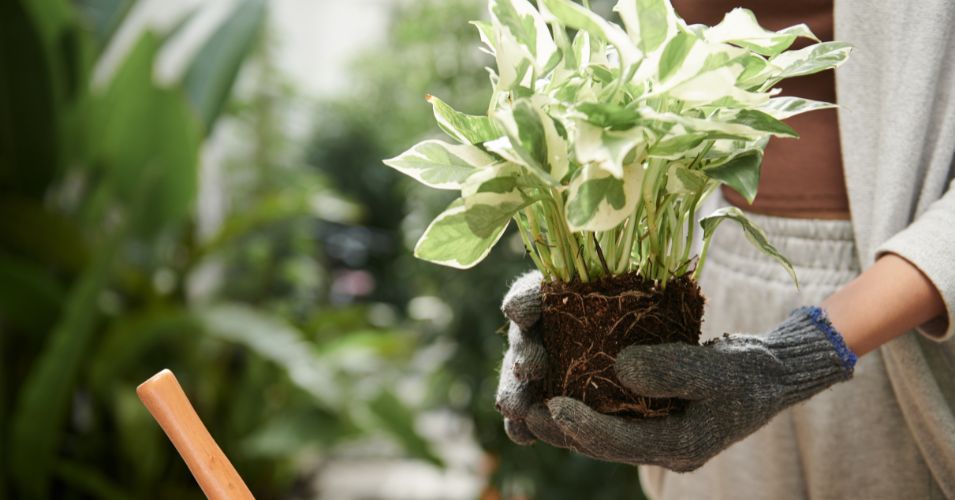
It is easy to assume repotting season ends when spring does.
Yet by the middle of summer, many plants are growing faster than ever, quietly filling their pots with roots and running out of room.
Whether they are growing indoors or outside, some plants quickly outgrow their containers during the warmest months of the year.
Knowing which plants benefit from a summer upgrade can make the difference between stalled growth and a thriving collection.
When Fast Growers Begin to Outpace Their Pots
A houseplant can look perfectly happy above the soil, while a completely different story unfolds below. During summer, longer days and warmer temperatures encourage many popular houseplants to put on fresh growth.
Leaves unfurl faster, stems stretch farther, and roots quietly search for every available inch of space inside the pot.
Few houseplants fill a pot as quickly as a spider plant, especially during the height of the growing season. Its fountain of arching leaves may still look healthy, but a glance at the root system often reveals a dense network packed tightly against the sides of the container.
In extreme cases, the roots can even distort thin plastic pots. When this happens, watering becomes more difficult because there is very little soil left to hold moisture.
A slightly larger container is often enough to revive a spider plant’s momentum. New foliage often appears more vigorous, and the plant gains the resources needed to continue producing its signature baby plantlets.
The temptation is to move it into a much larger pot, but restraint usually produces better results. A gradual increase in size allows the roots to establish themselves without sitting in overly wet soil.
A heartleaf philodendron is often less obvious about its need for a larger container. Instead of announcing its needs through crowded roots alone, it often signals trouble through slower growth.
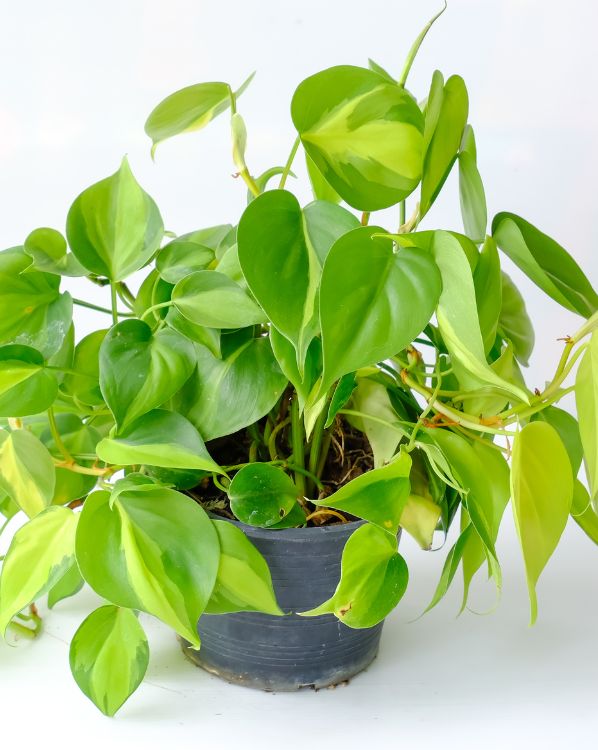
Vines that once seemed determined to reach every corner of a room can begin producing smaller leaves and shorter stems. Since these plants are naturally vigorous growers, that slowdown is often a clue that the root system has run out of space.
Repotting during summer gives a heartleaf philodendron the chance to take advantage of its most active growing season. Before placing it in fresh soil, gently tease apart any roots that have begun circling the root ball.
This simple step encourages outward growth and helps the plant settle into its new container more quickly.
For fast-growing houseplants, a larger pot is not about luxury. It is about keeping pace with the growth they are already eager to achieve.
Summer Brings New Energy to Tropical Houseplants
There is a reason so many tropical houseplants seem happier once summer arrives.
The combination of warmth, brighter light, and longer days closely resembles the conditions in which these plants evolved. As growth accelerates, their demand for water, nutrients, and root space often increases as well.
Few plants demonstrate this seasonal burst of energy better than the Monstera deliciosa. A healthy Monstera can spend summer producing larger leaves, deeper splits, and stronger stems.
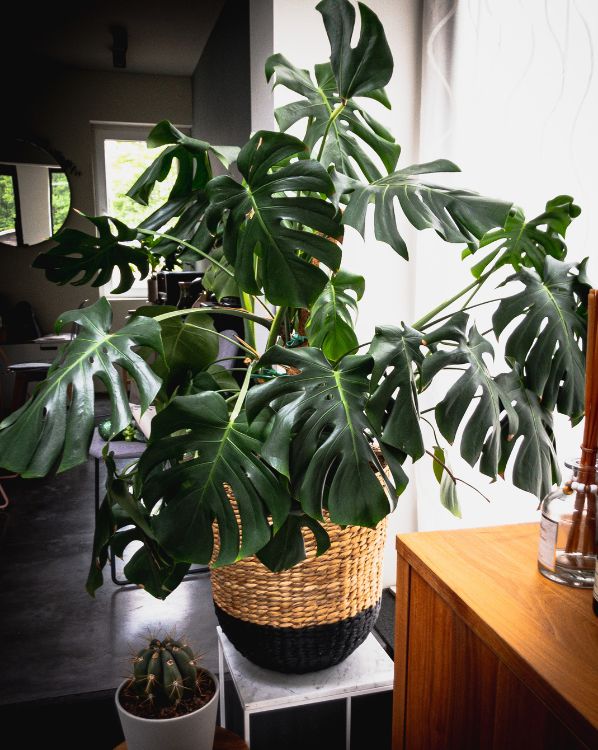
As impressive as that growth appears above the soil, the roots are working just as hard beneath the surface. If roots begin to emerge from drainage holes or push against the sides of the pot, the plant may be ready for an upgrade.
When repotting a monstera, consistency matters. The plant should sit at the same soil depth it occupied before the move. Fresh, well-draining soil also creates the airy environment that monsteras prefer.
While monsteras spread outward with climbing stems and oversized leaves, bird-of-paradise plants focus on impressive vertical growth. Rather than sending out trailing vines, it concentrates its energy on producing bold, upright foliage.
During summer, new leaves can emerge surprisingly quickly, particularly when the plant receives plenty of sunlight. A cramped root system can eventually limit that progress, making repotting a worthwhile midsummer project.
Patience is important when handling bird-of-paradise roots. They are thick but can still be damaged if forced apart too aggressively. Working carefully helps preserve the root system and reduces transplant shock.
For peace lily owners, the watering can often provide the first clue that repotting season has arrived. A plant that suddenly wilts every few days despite regular care may be struggling with crowded roots. Repotting into a slightly larger container can improve moisture retention and support healthier growth throughout the season.
Summer provides tropical plants with ideal conditions for recovery and expansion. When given fresh soil and a little extra room, they often respond with the lush growth that made them popular in the first place.
Succulents and Cacti Ready for Fresh Soil
Succulents and cacti are often treated as the plants that can handle almost anything. They tolerate missed waterings, thrive in bright locations, and generally ask for very little attention.
That easygoing nature can make it easy to forget that the soil supporting them does not last forever.
Over time, potting mixes break down and lose the airy texture that these plants depend on. What was once a fast-draining environment can gradually become compacted, making it harder for roots to access oxygen.
Summer provides an excellent opportunity to refresh that growing environment, especially since many succulents are actively growing during the warmer months.
That becomes especially noticeable with mature jade plants. Mature specimens can become surprisingly heavy as thick stems and fleshy leaves develop over the years.
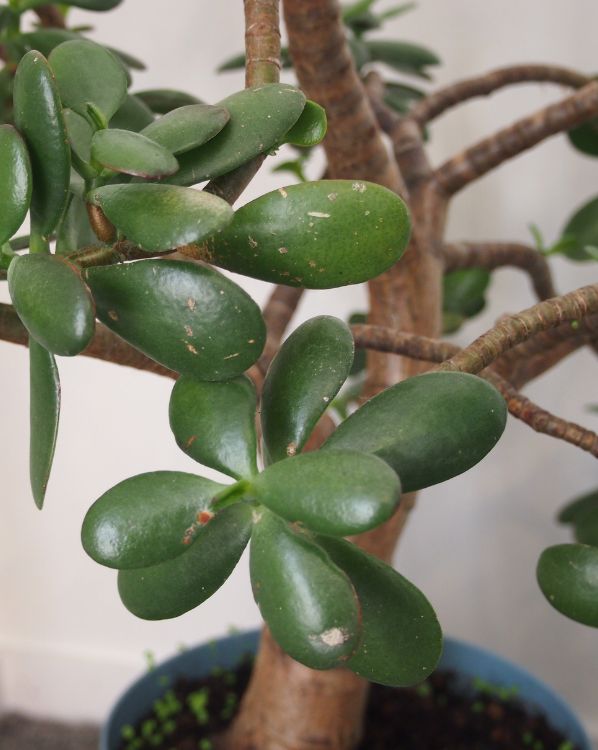
While the top growth attracts most of the attention, the root system is steadily expanding beneath the surface. If a jade plant seems to dry out unusually fast or has become unstable in its container, it may be time to inspect what is happening below the soil line.
Repotting gives the roots additional room while also replacing aging soil with a fresh, well-draining mix.
One thing to be aware of is watering. It is best to wait a few days before giving a newly repotted jade plant a thorough drink. This allows any small root injuries to heal and reduces the chance of rot developing.
A barrel cactus may seem like the last plant that would need repotting, but appearances can be deceiving. Growth is often slow enough that owners assume the plant never needs repotting.

Yet even these steady growers eventually fill their containers and deplete the surrounding soil’s quality. Fresh cactus mix can improve drainage and provide a healthier foundation for future growth.
The biggest challenge is usually handling the plant itself. Thick gloves, folded newspaper, or specialized cactus tongs can make the process much safer. A little preparation goes a long way when dealing with sharp spines.
Succulents and cacti rarely demand immediate attention, which is part of their appeal. Still, a periodic soil refresh can help ensure these resilient plants remain healthy long after they have settled into their containers.
Container Gardens Often Reach Their Limits by Midseason
A container garden can transform a patio, balcony, or front porch within a matter of weeks. By early summer, many pots are overflowing with color and texture.
What begins as a carefully spaced arrangement often becomes a crowded display of stems, flowers, and roots competing for the same limited resources.
This is particularly common with petunias. Given warm weather and regular care, these flowering favorites can expand rapidly beyond their original footprint. Their blooms may continue to look attractive, but the soil beneath is often under pressure.
A pot that once held enough moisture for several days can begin to dry out in a fraction of that time.
When petunias become root-bound, repotting can provide a welcome reset. Fresh soil improves water retention while creating new space for root growth. The result is often a stronger flowering display during the second half of summer.
Hibiscus plants rarely stay quiet when they run short on root space. Known for its large tropical-style blooms, this plant can become remarkably thirsty during hot weather. If watering feels like a daily battle and growth begins to slow, the root system may have outgrown the available space.

A slightly larger container can help support continued flowering and foliage production. When moving a hibiscus, try to keep the root ball intact as much as possible. Excessive disturbance may temporarily slow growth while the plant recovers.
Container gardening is often viewed as a simple alternative to planting in the ground, but the confined environment creates unique challenges. By midseason, some plants have already used much of the space and resources available to them.
Repotting at the right moment can help maintain healthy growth and keep containers looking vibrant long after the peak of summer arrives.
Larger Plants Need Room to Match Their Ambition
Large houseplants have a way of changing the character of a space. What starts as a young plant on a side table can eventually become a focal point that draws attention the moment someone enters the room.
As these plants grow taller and produce more foliage, their roots are working just as hard beneath the surface. At a certain point, the container that once seemed spacious becomes a limitation.
The fiddle leaf fig is a classic example. Known for its oversized leaves and upright growth habit, this plant can spend years gradually increasing in size before suddenly feeling cramped in its pot.
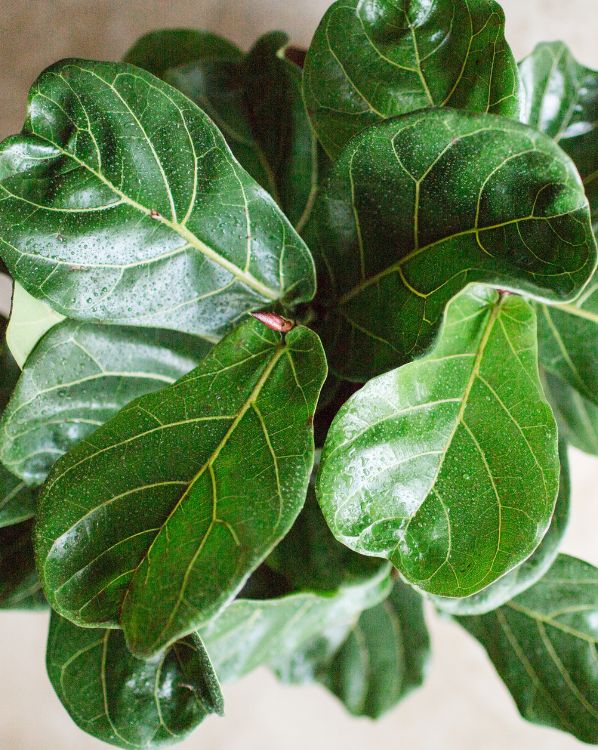
One of the first signs is slower growth during the growing season. New leaves may emerge less frequently, and watering needs can become more difficult to manage because there is little soil left around the roots.
Repotting gives the plant access to fresh nutrients and additional growing space. However, bigger is not always better.
Moving a fiddle leaf fig into a container only a few inches wider than the previous one usually yields the best results. Oversized pots can retain excess moisture, increasing the risk of root problems.
For many plant owners, the dwarf Meyer lemon tree becomes more than just a decorative plant. It is also a source of fragrant blossoms and homegrown fruit. Producing flowers and lemons requires a considerable amount of energy, and a crowded root system can make that task more difficult.
Summer is often the period when citrus trees are growing most actively, making it a practical time to upgrade their container.
Drainage is especially important when repotting citrus. Heavy soil that remains wet for extended periods can quickly lead to root stress. A well-draining mix helps create the balance these trees prefer.
Many people underestimate just how large a rubber plant can become when conditions are right. As new leaves emerge and the stem thickens, the roots expand to support that growth.
A plant that once seemed perfectly suited to its container may eventually become root-bound, leading to slower growth and soil that dries out more quickly than before.
When repotting a rubber plant, avoid increasing the pot size too dramatically. While it may seem logical to provide as much room as possible, an oversized container can hold excess moisture around the roots.
In most cases, increasing the container by a single size is all that is needed. A larger pot may seem like a simple change, but for mature plants, it often provides the foundation needed for years of future growth.
Final Thoughts
The roots hidden beneath the soil rarely receive the same attention as glossy leaves or colorful flowers. Yet they play a major role in a plant’s overall health.
When roots run out of room, growth often slows long before obvious symptoms appear.
Taking the time to repot the right plants during summer can prevent those issues before they start.
With fresh soil and a little extra space, many plants can continue growing strongly through the rest of the season and beyond.