
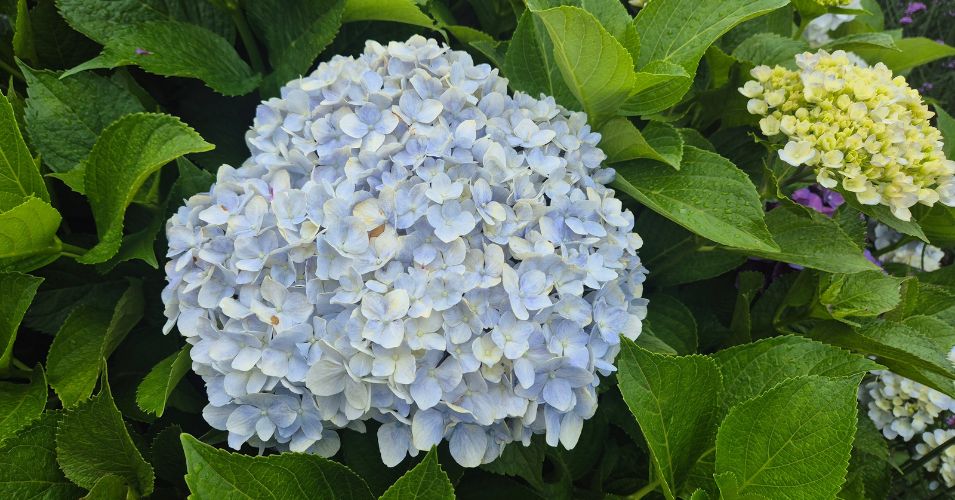
Hydrangeas are known for their large, colorful blooms that can transform any garden into a peaceful and inviting space. When those blooms fail to appear, it can feel frustrating and confusing, especially after months of care and attention.
Many gardeners assume something has gone seriously wrong, but the truth is often much simpler. Small environmental changes, pruning habits, or timing issues can quietly affect blooming without obvious warning signs.
Understanding what your hydrangea needs at each stage of growth is the key to restoring those beautiful flowers. Once you know what to look for, you can take simple steps that make a big difference in the next growing season.
The Role of Pruning Timing in Flower Production
One of the most common reasons hydrangeas fail to bloom is incorrect pruning timing, and this often happens without gardeners even realizing it. Many hydrangea varieties form their flower buds on old wood, meaning the buds are produced during the previous growing season and remain on the plant through winter.
When these plants are pruned at the wrong time, especially in late fall, winter, or early spring, those hidden buds are removed before they ever get a chance to bloom.
It can look like the plant is healthy and growing well, but the flowers never appear because the buds were already cut away months earlier.
Some types of hydrangeas, such as smooth or panicle varieties, bloom on new wood and are more forgiving. Others, like bigleaf and oakleaf hydrangeas, depend heavily on those older stems to produce flowers. Knowing which type you have makes a big difference in how and when you should prune.
If you are unsure, a safer approach is to prune lightly and only after the plant has finished blooming. This gives the hydrangea enough time to set new buds for the following season without interruption.
Removing dead or damaged stems is always fine, but heavy cutting should be done with care.
It also helps to observe your plant over time. If you notice strong, leafy growth but no blooms year after year, the timing of pruning is often the hidden cause. Adjusting this one habit can completely change how your hydrangea performs.
With the right timing, your plant can hold onto its buds through the colder months and reward you with full, vibrant blooms when the growing season returns.
How Sunlight Levels Influence Bud Development
Sunlight plays a critical role in how hydrangeas develop their buds, and even small changes in light exposure can affect whether the plant blooms.
While hydrangeas are often labeled as shade-loving plants, they still need a balanced amount of sunlight to support healthy flower production. Most hydrangeas thrive in morning sun with some protection from intense afternoon heat.
Too little sunlight can cause the plant to prioritize leaf growth over bud formation, resulting in a lush green shrub without flowers. It may look healthy, but it lacks the energy needed to produce blooms.
On the other hand, too much direct sunlight, especially in hot climates, can stress the plant. This stress can lead to wilting, scorched leaves, and reduced bud formation. When a hydrangea is under stress, it often shifts its energy toward survival rather than flowering.
Finding the right balance is key. A location that receives several hours of gentle morning light followed by partial shade in the afternoon usually provides the best conditions for bud development.
This allows the plant to gather enough energy without becoming overwhelmed by heat.
If your hydrangea is planted in a spot that is too shaded, consider trimming nearby trees or moving the plant to a brighter location. If it is receiving too much sun, adding shade through nearby plants or a garden structure can help reduce stress.
With proper light exposure, hydrangeas develop strong buds that open into the full, colorful blooms they are known for.
Soil Conditions That Affect Bloom Strength
Healthy soil is one of the quiet foundations behind strong hydrangea blooms, yet it is often overlooked when flowers fail to appear. Hydrangeas rely on balanced soil that holds moisture while still allowing roots to breathe.
When the soil becomes too compacted or drains poorly, the roots struggle to absorb the nutrients needed for bud development.
Nutrient balance also plays a major role in how well hydrangeas bloom. Soil that is too rich in nitrogen can lead to excessive leaf growth at the expense of flowers. The plant may look full and green, but it quietly shifts its energy away from producing blooms.
Phosphorus is especially important for flower formation, and low levels can limit the number of buds that develop. If your hydrangea has been growing in the same spot for years, the soil may have become depleted.
Adding compost or a balanced fertilizer can help restore the nutrients needed for healthy blooming.
Soil pH can influence bloom color, but it can also affect nutrient availability. When the pH is too far out of balance, certain nutrients become harder for the plant to absorb. This can weaken overall growth and reduce the plant’s ability to produce strong flowers.
Improving soil conditions does not require drastic changes. Loosening the soil, adding organic matter, and ensuring consistent moisture can create a healthier environment for roots to thrive.
When the soil supports steady growth below the surface, hydrangeas are far more likely to reward you with vibrant blooms above it.
Weather Patterns That Disrupt Flower Formation
Weather plays a powerful role in hydrangea blooming, and even a single unexpected shift can affect an entire season of flowers.
Hydrangeas often set their buds well before blooming begins, which makes them vulnerable to sudden temperature changes. When late frost hits after buds have formed, those delicate buds can be damaged or destroyed.
Cold snaps are not the only concern. Extended periods of heat or drought can also interfere with flower development. When a plant becomes stressed from lack of water or excessive heat, it redirects its energy toward survival rather than blooming.
Unpredictable seasonal patterns can make this even more challenging. A warm early spring may encourage buds to develop sooner than usual, leaving them exposed if cooler weather returns.
This cycle can repeat year after year, making it seem like your hydrangea never quite reaches its full blooming potential.
Heavy rain and strong winds can also impact flower formation. Saturated soil can weaken roots, while wind can damage stems that are preparing to support blooms. These stresses may not always be visible right away, but they can reduce the number of flowers that appear.
While you cannot control the weather, you can help protect your plants from its effects. Covering hydrangeas during unexpected cold nights, providing mulch to regulate soil temperature, and maintaining steady watering during dry periods can all reduce stress.
With a little protection and awareness, your hydrangeas can better withstand changing conditions and continue developing the blooms you look forward to each year.
Simple Adjustments That Encourage Reliable Blooms
Sometimes, the difference between a hydrangea that blooms and one that does not comes down to a few simple adjustments made at the right time. These small changes can support the plant’s natural cycle and help it focus its energy on producing flowers rather than leaves.
Start by reviewing your watering routine. Hydrangeas prefer consistent moisture, and uneven watering can interrupt bud development.
Allowing the soil to dry out too often can stress the plant, while overwatering can limit oxygen to the roots.
Proper feeding of your hydrangea can also make a noticeable difference. Use a balanced fertilizer with moderate nitrogen levels to avoid excessive leaf growth. Adding compost each season helps improve both structure and nutrient content in the soil.
Mulching around the base of the plant can stabilize soil temperature and retain moisture. This creates a more stable environment for the roots, especially during periods of heat or changing weather. A layer of organic mulch also slowly enriches the soil as it breaks down.
Take time to observe how your plant responds to its location. If nearby trees or structures are blocking light, consider trimming them back slightly.
If the plant seems stressed by strong sun, providing some afternoon shade can help restore balance.
Consistency is one of the most important factors. Hydrangeas respond best when their environment remains steady, without sudden changes in care. Small, thoughtful adjustments over time often lead to stronger growth and more reliable blooms.
With the right support, your hydrangea can shift from struggling to thriving, producing the full and colorful flowers that make it such a favorite in the garden.
Final Thoughts
Hydrangeas may seem unpredictable when they fail to bloom, but most issues can be traced back to a few manageable factors that are easy to adjust once you understand them.
By paying closer attention to pruning timing, sunlight exposure, soil balance, and seasonal weather changes, you give your plant the stability it needs to develop strong, healthy buds.
Small, consistent improvements often matter more than dramatic changes, and over time, they help your hydrangea regain its natural rhythm.
With patience, observation, and steady care, your plant can move from leafy growth to full, beautiful blooms that return year after year.