
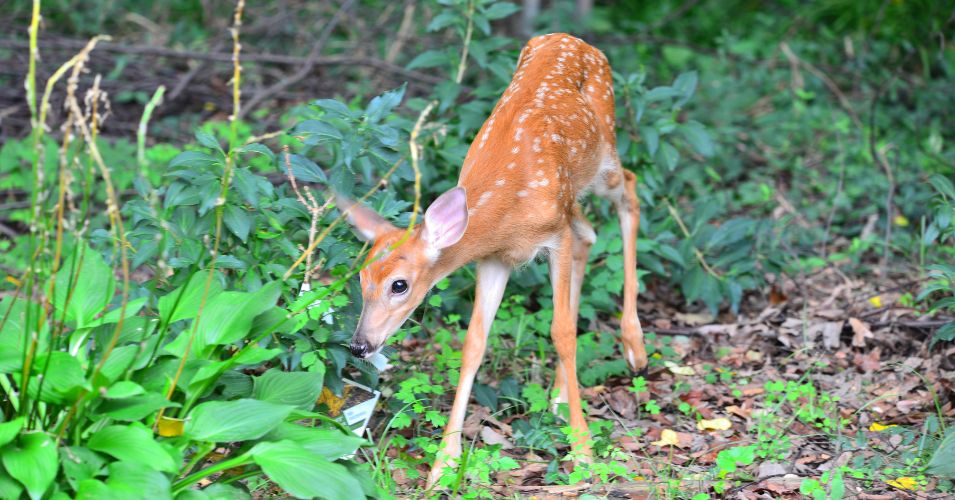
Hostas bring calm beauty to a garden with their broad leaves and rich green tones, but they often attract the wrong kind of attention. Deer see hostas as an easy and tasty meal, especially when other food sources are limited.
Many gardeners feel frustrated when their carefully grown plants are eaten overnight, leaving behind torn leaves and bare stems.
The good news is that you can protect your hostas with the right mix of strategies, awareness, and simple changes that work with nature rather than against it.
With a few thoughtful steps, your garden can remain full, healthy, and far less appealing to hungry deer.
Understand Why Deer Are Drawn to Hostas
Your hostas offer exactly what deer look for when they are searching for an easy meal. The leaves are soft, moist, and easy to chew, making them far more appealing than those of tougher plants.
Deer often move through neighborhoods and gardens in search of food that requires very little effort to find. Your hostas stand out because they are not only tender, but also grow in thick clusters that provide plenty to eat in one place.
You may notice that deer seem to target hostas more during certain times of the year. This usually happens in early spring when natural food is still limited, or in late summer when dry conditions reduce other food sources.
When food becomes scarce, deer become less selective. They will return again and again to any garden where they have found something easy and satisfying to eat.
Your garden layout can also make your hostas more visible to passing deer. Open spaces, clear sightlines, and easy-access paths allow deer to move in quickly without feeling threatened.
If your hostas sit near the edge of your yard, they are even more likely to be discovered. Deer prefer areas where they can step in, feed, and leave without obstacles.
Once deer learn that your garden provides food, they tend to remember it. Their routines often include revisiting the same spots, especially if they have fed there without disturbance before.
This means that a single visit can become a recurring habit. Understanding this behavior is the first step in protecting your plants.
When you know why deer are attracted to your hostas, you can begin to make changes that interrupt their routine and make your garden less appealing.
Build a Garden Environment Deer Prefer to Avoid
You can make your garden feel less inviting to deer by changing how the space looks and functions. Deer prefer areas where they feel safe, so your goal is to create uncertainty and discomfort without harming them.
Start by reducing the number of open access points around your yard. Dense planting, layered borders, and mixed textures can make it harder for deer to move freely.
When a deer cannot clearly see where it is stepping, it becomes more cautious. This hesitation alone can be enough to keep it from entering your space.
You can also use taller plants or shrubs to break up clear lines of sight. Deer rely on visibility to detect danger, so a more enclosed garden can feel less secure to them.
Paths and entry areas should also feel less welcoming. Narrow spaces, uneven planting, or slight barriers can discourage deer from stepping further into your yard.
Adding movement can also help. Items that shift slightly in the wind, such as lightweight garden decor or hanging elements, create a sense of unpredictability that deer prefer to avoid.
Sound can play a role too, even if it is subtle. A quiet rustling or occasional noise can signal that the area is not completely safe.
Lighting is another useful tool, especially at night when deer are most active. A softly lit garden reduces the sense of cover, making deer feel exposed.
All of these small changes work together to reshape how deer experience your garden. Instead of seeing it as an easy feeding ground, they begin to view it as a place that feels uncertain and not worth the risk.
Choose Scents and Textures That Discourage Feeding
You can protect your hostas by using what deer dislike most: strong scents and uncomfortable textures. Deer rely heavily on their sense of smell, so changing the scent around your plants can make a big difference.
You can apply natural or store-bought repellents that create odors deer find unpleasant. These often mimic predator scents or include strong ingredients that signal danger.
Consistency matters when using scent-based methods. You need to reapply them after rain and refresh them regularly so the smell remains noticeable.
You can also plant strong-smelling herbs and flowers around your hostas. Plants like lavender, garlic, and certain herbs create a scent barrier that confuses and discourages deer from getting closer.
This approach works best when you surround your hostas instead of placing scent in only one spot. A layered scent border makes it harder for deer to ignore.
Texture is just as important as scent. Deer prefer smooth and easy-to-chew plants, so adding rough or prickly textures nearby can reduce their interest. You can place coarse mulch, pinecones, or even textured ground covers around your hostas.
These surfaces feel uncomfortable under their hooves and make feeding less appealing.
Some gardeners also use plants with fuzzy or spiky leaves as a natural defense. When deer brush against these textures, they often decide it is not worth the effort.
By combining scent and texture, you create a multi-layer defense that works with how deer naturally behave. This makes your hostas less inviting without changing the beauty of your garden.
Protect Plants With Physical Barriers That Work
You can take a more direct approach by placing physical barriers around your hostas. This method works well because it stops deer before they even reach the plants.
Fencing is one of the most effective options. A fence that is tall enough and properly placed can completely block deer from entering your garden.
Height matters because deer are strong jumpers. If a fence is too low, they may clear it easily and continue feeding as usual.
If a full garden fence is not practical, you can protect individual hosta groups instead. Small enclosures made of wire or mesh can be placed around the plants to keep deer out.
These barriers can blend into the garden when placed carefully. Over time, plants may even grow around them, making them less noticeable.
You can also use netting as a temporary solution, especially during seasons when deer activity is highest. This allows you to protect new growth without making permanent changes.
Another option is to use raised beds or containers in areas that are harder for deer to access. Elevation adds an extra layer of protection and can reduce grazing.
Placement is important when using barriers. Make sure there are no gaps or easy entry points that deer can exploit. Even small openings can invite them in.
When barriers are set up correctly, they eliminate opportunities for deer to feed. Over time, this teaches deer to look elsewhere, helping your hostas grow undisturbed.
Maintain Habits That Keep Deer From Returning
You can protect your hostas long term by building simple habits that make your garden less predictable and less rewarding for deer. Consistency is what turns short-term success into lasting results.
Deer remember safe feeding spots, so you need to break that pattern. If they return and find no easy food, they begin to move on and search elsewhere.
One of the most important habits is checking your garden regularly. Look for early signs of damage so you can respond before deer make it a routine.
You should also rotate the methods you use to deter them. Changing scents, repositioning barriers, or adjusting your layout keeps deer from getting used to your defenses.
When deterrents stay the same for too long, deer may become comfortable again. A small change can be enough to keep them uncertain.
Clean up fallen leaves and damaged plant parts around your hostas. These can still attract deer and signal that food is available.
Watering schedules can also affect deer activity. Try to avoid watering late in the evening when deer are more active and likely to visit.
You can also make your presence known in subtle ways. Walking through your garden, adjusting plants, and creating light activity reminds deer that the space is not empty.
Over time, these habits change how deer see your yard. Instead of returning to a familiar food source, they begin to avoid it altogether. This steady approach helps protect your hostas season after season.
Final Thoughts
You can protect your hostas by using a mix of awareness, smart planning, and steady habits that work together over time.
Each small change you make helps reduce the chances of deer returning and turning your garden into a feeding spot.
Stay consistent with your approach and adjust when needed so deer never feel fully comfortable in your space. With patience and simple effort, your hostas can grow full, healthy, and undisturbed throughout the season.