
Most gardeners think of spring as the best time to plant perennials, but summer can be just as rewarding. In fact, it is often easier to choose plants when they are already in bloom because you can see exactly how they will look in your garden.
With the right care, many perennials settle in well during the warmer months and continue developing strong roots before cooler weather arrives.
Whether you are filling empty spaces, refreshing an older border, or starting a new planting scheme, summer offers plenty of opportunities to create a garden that will return with even more color and character year after year.
Why Summer Is a Great Season for Planting Perennials
Spring may be the busiest season for planting, but it is far from your only opportunity to add new perennials to the garden. In fact, summer has a few advantages that often get overlooked.
Garden centers are stocked with flowering plants, so you can see exactly what you are buying instead of relying on a small tag or picture. It is much easier to decide where a plant belongs when you can judge its size, flower color, and overall shape for yourself.
Another benefit is the warm soil. While hot air temperatures can put stress on new plants, warm ground encourages roots to grow. A perennial with a healthy root system has a much better chance of settling in before autumn arrives.
As the weather cools, it can continue building strength without using as much energy to support flowers and fresh foliage.
Summer is also when many gardens reveal where they need improvement. Early spring bulbs have faded, annuals may not have filled every gap, and some borders can start looking sparse. Planting perennials at this stage lets you solve those problems straight away instead of waiting until next year. You can add height, color, or texture exactly where it is needed.
That does not mean you can plant and walk away. New perennials need regular watering while they establish, especially during dry spells. A layer of mulch helps keep moisture in the soil, and planting during the cooler part of the day reduces stress on young plants. These small steps often make a noticeable difference during the first few weeks.
If you choose healthy container-grown plants and give them consistent care, summer planting can be every bit as successful as planting in spring. By the time the next growing season begins, many of those perennials will already have developed strong roots and will be ready to put on an even better display.
Colorful Blooming Perennials for Sunny Gardens
If your garden gets plenty of sunshine, you have no shortage of beautiful perennials to choose from. Many sun-loving varieties flower for weeks, cope well with summer heat once established, and attract plenty of bees and butterflies along the way.
A handful of well-chosen plants is often all you need to create a border that stays colorful for much of the season.
Coneflowers are a favorite for good reason. Their large daisy-like blooms appear in a wide range of colors, from soft pinks and whites to rich oranges and yellows.
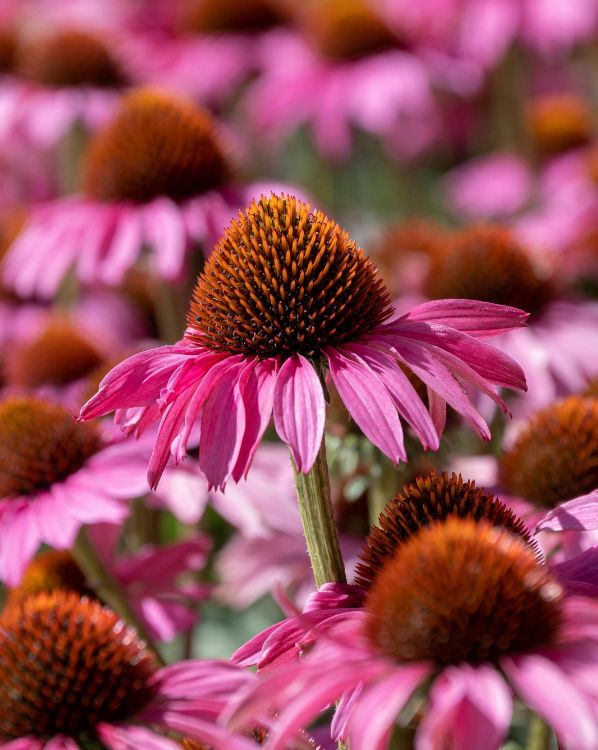
They keep flowering well into late summer, and if you leave the seed heads in place, you’ll often spot birds feeding on them once the blooms have faded.
Black-eyed Susans bring a burst of bright yellow just as many other flowers begin to slow down. They look their best planted in generous clumps, where they can create bold drifts of color that brighten the entire border.
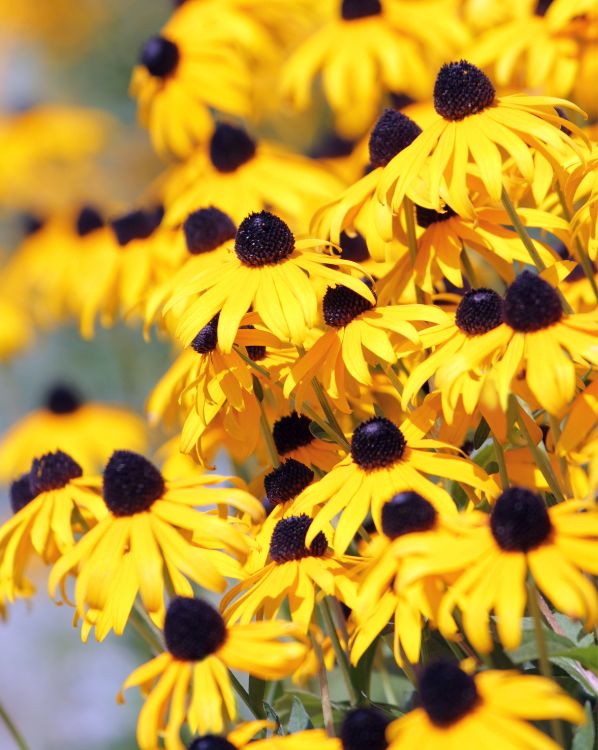
Their long flowering season also makes them an easy companion for many other summer perennials.
For height and contrast, few plants are as dependable as salvia. Its upright flower spikes weave through surrounding plants without taking over the bed, adding shades of blue, purple, pink, or red depending on the variety.
Bees seem to flock to the flowers, and cutting back the first flush of blooms often encourages the plant to flower again before the season ends.
These three perennials complement one another beautifully. Together they provide different shapes, colors, and flowering times, helping a sunny garden stay vibrant from midsummer well into early autumn.
Perennials That Brighten Shady Spaces
Not every perennial needs full sun to thrive. In fact, some of the most attractive varieties prefer a little shelter from the afternoon heat.
Shaded beds often stay greener for longer during summer, and they offer the perfect place to experiment with different leaf shapes, textures, and subtle bursts of color.
Hostas have been a favorite for generations because they make an immediate impact. A single plant can quickly fill an empty spot with large, arching leaves, while established clumps bring a sense of maturity to the garden.
There is plenty of variety too, with foliage ranging from blue-green to golden yellow and cream variegated forms.
Astilbes are a great choice if your shade garden could use a little more color. Their feathery flower plumes rise above the foliage in early to midsummer, creating a softer look than many bold flowering perennials. They are happiest in soil that does not dry out too quickly, making them especially useful beneath trees or alongside shaded paths.
Brunnera earns its place for its foliage as much as its flowers. The heart-shaped leaves often feature striking silver markings that stand out even in darker corners of the garden.
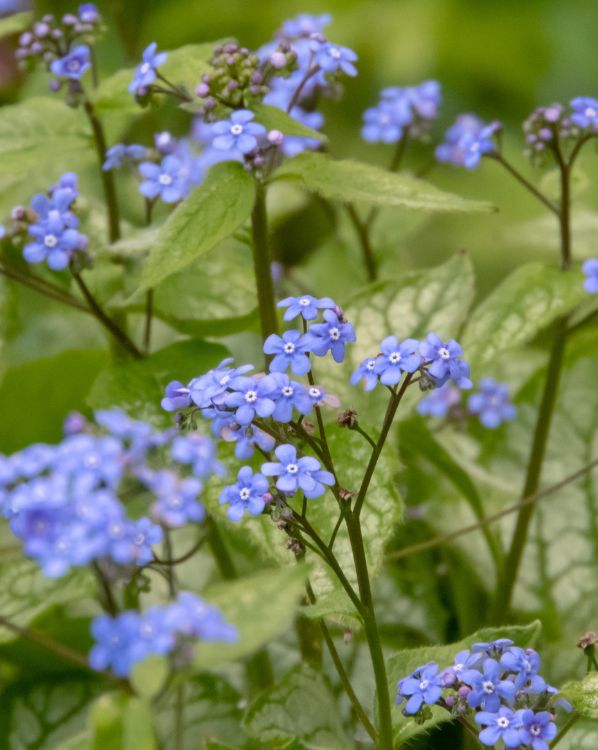
Small blue flowers appear in spring, but the attractive leaves continue doing the heavy lifting long after the blooms have disappeared.
A shade border does not have to compete with the brightest part of the garden. Plants like these prove that interesting foliage, gentle color, and a mix of textures can be every bit as eye-catching as a bed filled with sun-loving flowers.
Low Maintenance Perennials That Keep Coming Back
A beautiful garden does not have to mean hours of maintenance every week. Many perennials are surprisingly easy to grow once they have settled in, returning each year with little more than the occasional tidy-up.
If you would rather spend your time enjoying the garden than constantly working in it, these dependable plants are well worth a place in your borders.
Daylilies are a great example. They adapt to a wide range of growing conditions and rarely ask for much once established.
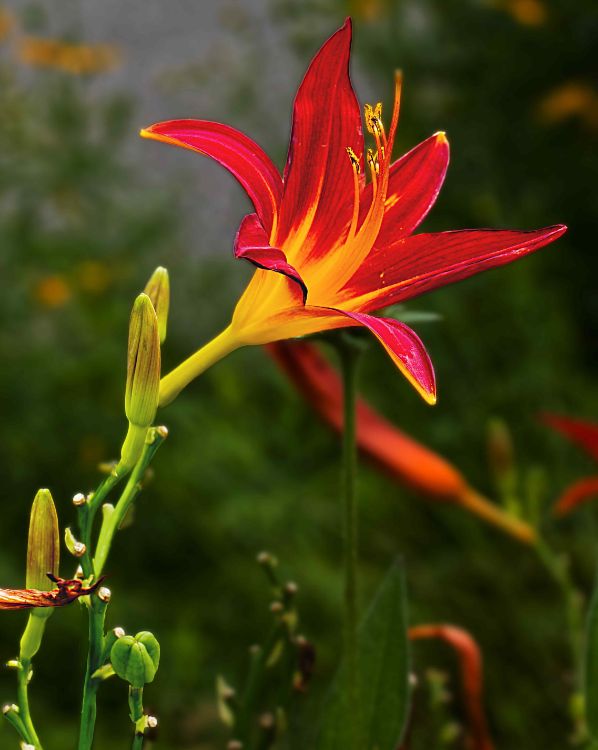
While each bloom lasts for only a day, the plants produce such a steady stream of flowers that the display continues for weeks. As the clumps grow larger over time, they become even more impressive.
Catmint is another reliable choice for gardeners who prefer low-effort plants. Its soft gray-green foliage is attractive even before the flowers appear, and the lavender-blue blooms are a magnet for bees throughout the summer.
Cutting the plant back after its first flush of flowers often encourages another round of blooms without much extra work.
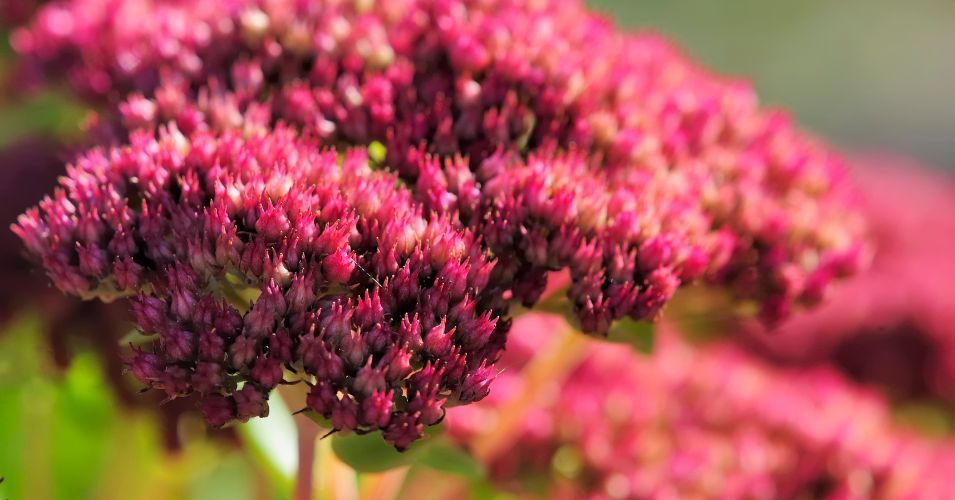
Sedum is one of the easiest perennials to grow in sunny, well-drained gardens. Its thick leaves help it cope with dry conditions, making it a dependable choice for gardeners who cannot always keep up with watering.
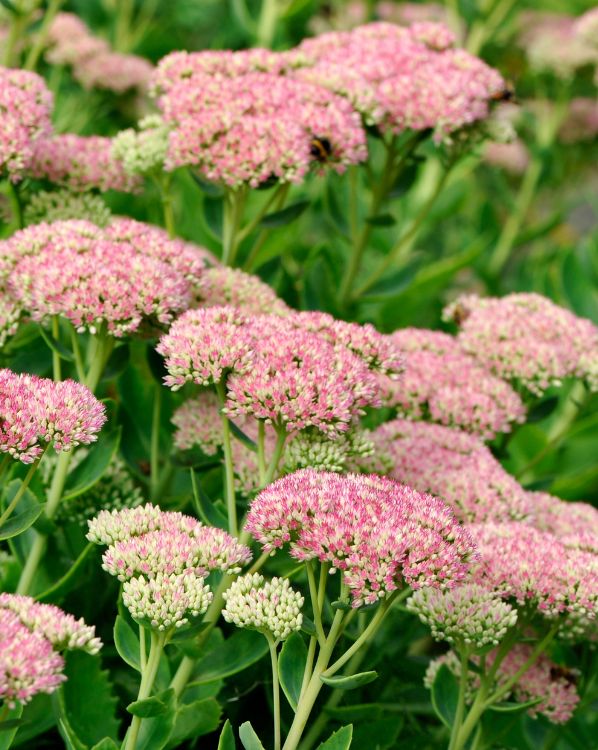
Late in the season, the flower heads attract bees and butterflies while adding fresh color just as many other perennials begin to fade.
Choosing dependable plants like these makes gardening feel much more rewarding. Instead of replacing flowers every year or spending hours on maintenance, you can enjoy borders that gradually become fuller, healthier, and more colorful with each passing season.
Helping New Perennials Thrive Through Summer
Getting your new perennials into the ground is only part of the job. The first few weeks after planting are when they begin settling into their new home, and the care they receive during this time often determines how well they perform in the future.
A little extra attention now can lead to healthier, stronger plants for years to come.
Water is the biggest priority. Freshly planted perennials have not yet spread their roots far enough to search for moisture on their own, so they rely on regular watering while they establish.
A deep soak every few days is usually more beneficial than watering lightly every afternoon because it encourages the roots to grow deeper into the soil. Before reaching for the hose, check the soil a few inches below the surface. If it still feels damp, the plant can usually wait another day.
Adding mulch around each plant is another habit worth adopting. Organic materials such as shredded bark or compost help slow moisture loss, reduce weeds, and keep the soil cooler during hot weather. Just avoid piling mulch directly against the stems, as trapped moisture can sometimes lead to rot.
Newly planted perennials also benefit from a little protection when temperatures climb. If a stretch of very hot weather arrives, temporary shade during the afternoon can reduce stress until the plants become established. Even something as simple as placing a patio umbrella nearby for a few hours can help on the hottest days.
One mistake many gardeners make is trying to encourage faster growth with fertilizer. In most cases, it is better to let the plants focus on developing strong roots first. Soil that has been improved with compost usually provides everything they need during their first season.
Do not be disappointed if your new perennials seem slow to take off. Some spend their first summer quietly building a healthy root system instead of producing lots of flowers. By next year, many will have settled in and will reward your patience with stronger growth and a much more impressive display.
Final Thoughts
Planting perennials in summer might seem unusual, but it is often a smart way to build a better garden. The warm soil encourages root growth, garden centers offer plenty of choice, and you can see plants at their best before deciding where they belong.
Success comes down to making thoughtful choices and giving new plants a good start.
Pick varieties that suit the amount of sun your garden receives, keep the soil consistently moist while they establish, and resist the urge to expect instant results. Most perennials improve with time, becoming fuller and more reliable with each passing season.
Whether you are adding bold flowers to a sunny border, bringing life to a shaded corner, or simply filling empty spaces that need a fresh look, summer is far from a missed opportunity. With a little care now, the perennials you plant today can become some of the most dependable and rewarding plants in your garden for many years to come.