
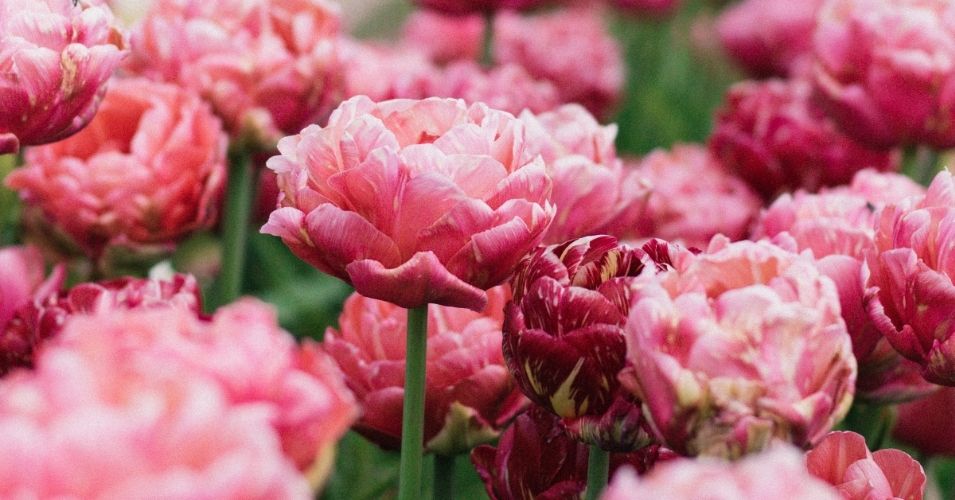
Peonies are often considered the jewels of the spring garden, with their large, fragrant blooms and lush foliage that add charm and elegance to any landscape.
While these perennials are hardy and can live for decades, they still require seasonal care to stay strong and return year after year with abundant flowers.
Overwintering is one of the most important parts of their care. By preparing your peonies properly in fall and protecting them through the winter months, you ensure that they rest safely during dormancy and reemerge in spring healthier than ever.
Cut Back Peonies in Fall
Peonies are hardy perennials, but they cannot be left entirely to themselves once their blooming season has passed. By the time fall arrives, the foliage that looked so vibrant and healthy in spring and summer begins to fade.
Leaves often turn yellow or brown, and stems weaken, signaling that the plant is preparing for dormancy. This is the perfect time to cut peonies back. Doing so not only tidies up the garden but also plays an important role in keeping the plants healthy for the following season.
The main reason to cut back peonies in fall is to prevent disease. Peonies are particularly prone to fungal problems such as botrytis blight, which thrives in decaying foliage.
If the old leaves and stems are left standing through the winter, they can harbor spores that survive until spring and reinfect the plant as soon as new growth appears. Cutting all foliage down to the ground and removing it from the garden breaks this cycle and gives your plants a clean, disease-free start.
Timing is critical. You should wait until the first hard frost blackens the foliage, as this signals that the plant has fully entered dormancy. Cutting too early robs the plant of valuable time to absorb nutrients back into its roots.
Once frost arrives, trim all stems down to just an inch or two above soil level using clean, sharp garden shears. This ensures no hollow stems are left that could collect water and cause rot.
Be thorough in cleaning up after cutting. Do not compost the old foliage, since it may contain disease spores. Instead, bag it and dispose of it with yard waste. This step is often overlooked but is one of the most effective ways to protect your peonies from problems in the future.
Cutting back peonies in fall may feel like an ending, but it is really the beginning of preparation for next spring. By clearing away old growth at the right time, you set the stage for strong shoots, healthier foliage, and abundant flowers when the warmer months return.
Mulch to Protect Roots
While peonies are known for their resilience, their roots and crowns can still be vulnerable to the extreme cold of winter. Applying mulch in fall is one of the best ways to protect these plants during the dormant season.
Mulch acts as insulation, keeping the soil temperature more stable and preventing damage caused by repeated freezing and thawing. It also helps the plant conserve moisture and shields it from sudden weather shifts that can stress the roots.
The best time to apply mulch is after you have cut the peonies back and the ground has begun to cool but before it has fully frozen. If mulch is applied too early, it may trap warmth in the soil and interfere with the plant’s natural dormancy. Waiting until after the first frost ensures the plant has slowed its growth and is ready to be tucked in for winter.
Organic materials are the best choice for mulching peonies. Straw, shredded bark, pine needles, or compost all work well. Spread a layer about three to four inches deep around the base of the plant, making sure to cover the crown.
This helps protect the most vulnerable part of the plant, where the stems emerge from the root system. In colder regions, a slightly thicker layer may be necessary to guard against prolonged freezing.
Mulch does more than protect against cold. It also helps regulate soil moisture, which is important in winter when water levels can fluctuate.
Without mulch, peonies may suffer from frost heave, a condition where repeated freezing and thawing pushes the roots upward, exposing them to damaging cold. A protective layer of mulch keeps the soil evenly cool and prevents this stress.
Come spring, the mulch should be gradually pulled back as the weather warms. This allows the soil to heat up and encourages new growth. Removing it too late can delay the plant’s emergence, while removing it too early leaves the roots exposed to late frosts. Monitoring the weather ensures the mulch continues to serve its purpose without hindering the plant’s return.
Mulching peonies in fall is a simple but vital step in overwintering. By providing insulation and moisture control, you protect the crown and roots from the harshest winter conditions and guarantee that your plants awaken in spring ready to grow and bloom again.
Divide and Transplant Before Winter
Peonies are long-living perennials, and while they can thrive in the same spot for decades, there are times when dividing and transplanting becomes necessary. Over time, clumps of peonies can become overcrowded, leading to reduced flowering and weaker growth.
Dividing allows each section of the plant more space to develop strong roots and produce healthy blooms. Fall, particularly after the first frost when the plant is going dormant, is the ideal time to divide and transplant peonies.
The process begins with cutting back the foliage to just a few inches above the soil line. This makes handling the plant easier and reduces the risk of transferring disease.
Next, use a garden fork or spade to carefully dig around the peony clump, taking care to lift the root system without breaking too many of the tuberous roots. Once the clump is lifted, gently shake off excess soil so the crown and eyes of the plant are visible.
Each division should contain at least three to five eyes, which are the small pink buds on the crown that develop into stems the following spring. Sections with fewer eyes may survive but are slower to establish and bloom. Use a sharp, clean knife to cut the clump into pieces, ensuring each has a healthy portion of root attached.
When transplanting, choose a sunny, well drained location with rich soil. Peonies require full sun for at least six hours a day to produce abundant flowers.
Place each division so the eyes sit no more than two inches below the soil surface, as planting too deeply often results in poor blooming. Space divisions about three feet apart to allow for mature growth.
Water the newly transplanted divisions thoroughly and apply a light layer of mulch to protect them during winter. While they may not bloom the first spring after transplanting, they will establish strong root systems and reward you with flowers in the following years.
Dividing and transplanting in fall rejuvenates old peony clumps, prevents overcrowding, and ensures a steady display of blooms for seasons to come.
Prevent Disease Over Winter
One of the greatest threats to peonies during fall and winter is the spread of disease. These plants are particularly susceptible to fungal problems such as botrytis blight, which causes blackened stems, spotted leaves, and stunted growth.
Without proper fall care, spores from infected foliage can overwinter in the soil or plant debris, only to reemerge in spring and infect the new shoots. Preventing disease during the colder months is therefore a crucial part of overwintering peonies.
The first and most important step is sanitation. After cutting back the foliage in fall, all leaves and stems must be removed from the garden. Leaving them in place creates the perfect environment for fungal spores to survive the winter.
Unlike other garden debris that can be composted, peony foliage should be bagged and discarded, as compost piles often do not heat up enough to kill the spores. This simple act of removing plant material drastically reduces the risk of infection in the following year.
Proper spacing also plays a role in disease prevention. If peonies are too crowded, air circulation is limited, and this encourages fungal growth. Fall is the perfect time to divide and replant clumps that have grown too large.
Ensuring good airflow around each plant allows moisture to evaporate more quickly, keeping leaves and stems dry and less susceptible to problems.
It is also wise to monitor peonies for signs of damage or weakness before winter sets in. Weakened plants are more likely to succumb to disease, so giving them the right care in fall strengthens their natural defenses.
By focusing on cleanliness, spacing, and careful mulching, you create a healthier environment for peonies to rest through winter. Preventing disease is not complicated, but it does require consistency.
The reward for this effort is a clean start in spring and the promise of abundant, healthy blooms.
Prepare for Spring Growth
As winter draws to a close, peonies slowly begin to stir beneath the soil. The efforts you made in fall to cut, mulch, and clean around the plants now come together to support their revival.
Preparing for spring growth is not about adding heavy tasks but about easing the plants from dormancy into a season of health and abundance. With the right care, peonies will push through the soil ready to form lush foliage and large, beautiful blooms.
The first step in spring preparation is to carefully remove mulch once the danger of hard frost has passed. Peonies need sunlight and warmth to break dormancy, and leaving mulch in place too long can delay this process.
Pull it back gradually over several days to prevent shocking the plants in case of a sudden cold snap. Leaving a thin layer nearby is helpful if temperatures drop unexpectedly again.
Inspect the crowns closely as new shoots emerge. These young stems, often pink or red, are tender and can be damaged by late frosts. If a sudden freeze is forecast, cover the plants lightly with a breathable material such as burlap or a frost cloth overnight, removing it the next morning.
Protecting the shoots in their earliest stage ensures strong growth later in the season.
Spring is also the time to resume feeding. A balanced fertilizer applied around the base of the plant helps provide the nutrients needed for foliage and bud development.
Avoid placing fertilizer directly on the crown, as this may burn the new growth. Watering consistently is also important once shoots appear, as steady moisture supports healthy development.
Weeding around the plants early in the season helps prevent competition for nutrients. With clean soil, proper spacing, and sunlight, peonies will grow vigorously. Staking may also be needed for varieties that produce heavy blooms, as strong winds or heavy rain can cause stems to bend or break.
By paying attention to these simple but important steps, you set the stage for a successful season. Peonies that are well prepared for spring not only grow with strength but also produce larger and longer lasting blooms, rewarding you for the care given through fall and winter.
Final Thoughts
Overwintering peonies is not complicated, but it requires patience and timely attention. By cutting them back in fall, mulching to protect their crowns, dividing overcrowded clumps, and guarding against disease, you provide the foundation for healthy growth.
As spring arrives, easing them out of dormancy with careful mulch removal, steady watering, and proper feeding ensures they begin the season with strength. The effort you invest through fall and winter directly determines the quality of blooms in the months that follow.
With consistent care, peonies reward gardeners with decades of beauty, proving that preparation in the colder months is the key to abundant flowering in spring.