
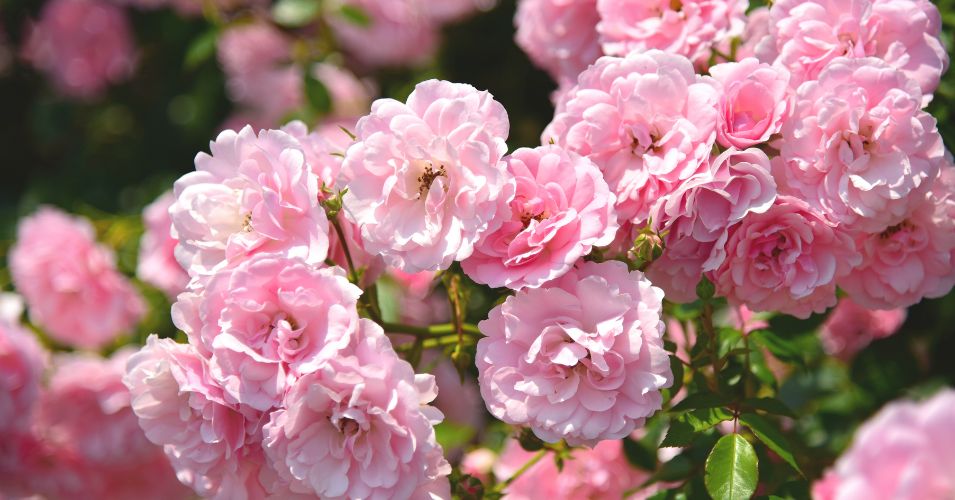
Roses have a way of becoming the highlight of any garden, but they need the right care to produce their best blooms. While watering and pruning are important, the type of fertilizer you use can have just as much impact on the health of your plants.
Many gardeners are moving away from synthetic products in favor of natural alternatives that feed the soil as well as the roses themselves. From homemade compost to nutrient-rich organic fertilizers, there are plenty of effective options to choose from.
This guide covers the most effective natural fertilizers for roses, how to use them, and the mistakes worth avoiding.
Why Natural Fertilizer Is Better for Roses
Ask ten experienced rose growers how they keep their plants healthy, and most will tell you the same thing.
It all starts with the soil.
Roses are heavy feeders, but they perform best when the soil is rich, healthy, and able to provide nutrients over time rather than all at once.
That is one of the biggest reasons natural fertilizers are so popular. As materials such as compost, aged manure, and alfalfa meal break down, they gradually release nutrients. Roses can use those nutrients as they grow, which helps support healthy leaves, strong stems, and plenty of flowers without encouraging rapid, weak growth.
Synthetic fertilizers take a different approach. They are designed to deliver nutrients quickly, giving plants near-immediate access to nitrogen, phosphorus, and potassium.
You will usually see these nutrients shown as an NPK ratio on the packaging. A balanced fertilizer such as 10-10-10 is commonly used for general feeding, while products with a higher phosphorus content, such as 5-10-5, are often chosen to support flowering.
Fast-acting fertilizers certainly have their uses, especially if a rose is showing signs of a nutrient deficiency. The drawback is that they feed the plant without doing much for the soil underneath. Once those nutrients have been absorbed or washed away, the soil is left much the same as it was before.
Natural fertilizers keep working long after they have been applied. As organic matter breaks down, it improves soil structure, helping it retain moisture during dry weather while allowing excess water to drain after heavy rain.
It also creates better conditions for earthworms and beneficial microbes, both of which play an important role in keeping soil healthy.
That long-term improvement is what sets natural fertilizers apart. Instead of relying on repeated quick fixes, you are gradually building a healthier growing environment where roses can thrive season after season. The flowers are the part everyone notices, but it is the healthier soil beneath them that makes those displays possible.
The Best Natural Fertilizers for Roses
Walk into any garden center, and you will find shelves filled with products that promise bigger blooms. In reality, some of the best fertilizers for roses are simple organic materials that gardeners have relied on for generations.
Compost is often the first place to start. It adds a wide range of nutrients and improves soil texture. A layer spread around the base of the plant helps retain moisture, feeds beneficial organisms, and slowly releases nutrients as it breaks down.
Well-aged manure is another excellent choice. Cow, horse, and composted chicken manure all add valuable nutrients while enriching the soil. The key is making sure the manure has fully decomposed before using it, since fresh manure can damage roots and contain harmful bacteria.
Bone meal is best known for its phosphorus content, making it a popular fertilizer when planting new roses or encouraging stronger flowering. It breaks down gradually, providing nutrients over an extended period instead of all at once.
Many experienced rose growers also recommend alfalfa meal. It supplies nutrients while adding organic matter to the soil, making it a useful option for encouraging vigorous growth throughout the season. It can be worked into the soil or used in a homemade rose-feeding mix.
Worm castings are another worthwhile addition. Although they are not as concentrated as some fertilizers, they improve soil health and introduce beneficial microbes that help plants make better use of available nutrients.
For roses that need a quicker boost, fish emulsion is a popular liquid fertilizer. It acts faster than many dry organic products, making it useful during periods of active growth or after pruning. Many gardeners use it alongside compost or other slow-release fertilizers rather than relying on it by itself.
There is no need to choose just one of these fertilizers. Combining several organic options throughout the year gives roses a balanced supply of nutrients while steadily improving the soil. That approach creates healthier plants that continue to reward you with strong growth and beautiful blooms season after season.
When to Fertilize Roses Throughout the Year
Roses are not plants that need feeding every time you water them. A handful of well-timed applications during the growing season is usually enough to keep them healthy and blooming.
The first feeding should come in spring when the plant starts producing fresh shoots. That new growth is a reliable sign that the roots are active again and ready to take up extra nutrients. Feeding too early rarely offers much benefit, as the rose is still emerging from its winter rest.
Once the first wave of flowers has faded, it is a good time to feed again. Producing blooms takes a lot out of the plant, and replacing those nutrients helps prepare it for the next flush of flowers.
Many repeat-flowering roses also appreciate one last feeding in midsummer. This is often the final application they need before the growing season begins to slow. There is little benefit in continuing to fertilize as autumn approaches.
Stopping at the right time is just as important as knowing when to begin. Late-season feeding encourages fresh shoots that remain soft and vulnerable as temperatures fall. Giving roses time to slow their growth naturally leaves them better prepared for winter.
Rather than following the same dates every year, pay attention to what your roses are doing. Gardens warm up at different times, and weather can change from one season to the next. Watching for new growth and finished blooms is usually a more reliable guide than the calendar.
How to Fertilize Roses for the Best Results
A good fertilizer will only do its job if it reaches the roots where the plant can use it. Applying it properly takes very little extra effort, but it can make a noticeable difference to the results.
Before feeding, check that the soil is slightly damp. If it has been dry for several days, give the area a thorough watering first. This helps nutrients move into the soil more easily and reduces the risk of root stress.
When using dry fertilizers, spread them around the base of the plant rather than piling them against the stems. Aim for the area beneath the outer branches, where most of the feeding roots are found. Once the fertilizer is in place, water again to help carry nutrients into the root zone.
After watering, adding a layer of mulch is well worth the effort. Compost, leaf mold, or shredded bark helps retain moisture in the soil, slows weed growth, and gradually adds additional organic matter as it breaks down.
It is also worth remembering that roses respond better to steady care than heavy feeding. Applying more fertilizer than recommended rarely produces more flowers, and it can upset the balance between leafy growth and blooming.
Whether you prefer compost, fish emulsion, alfalfa meal, or another natural fertilizer, use it as part of a consistent routine instead of searching for a quick fix. Healthy soil, careful watering, and sensible feeding habits will almost always produce better roses than simply adding more fertilizer.
Common Rose Fertilizing Mistakes to Avoid
Most problems with roses are not caused by choosing the wrong fertilizer. They happen because the fertilizer is used at the wrong time, in the wrong amount, or under the wrong conditions. A few simple adjustments can make a noticeable difference to the health of your plants.
One mistake that catches many gardeners out is assuming more fertilizer means more flowers. Roses need a balanced supply of nutrients, not constant feeding. Too much fertilizer often encourages lush green leaves while reducing the number of blooms. In severe cases, it can even stress the roots, leaving the plant struggling in hot weather.
Timing is another factor that is easy to overlook. Roses benefit most from fertilizer when they are actively growing. Feeding them while they are still dormant has little effect, and continuing late into the season encourages fresh shoots that may not survive the first cold spell.
Skipping the watering can be another common error. Fertilizer should not be applied to dry soil whenever possible. Moist soil helps nutrients move into the root zone, giving the plant a much better chance of using them effectively. Watering after feeding also helps prevent fertilizer from sitting on the surface where it is less useful.
Fresh manure is sometimes mistaken for a ready-to-use fertilizer, but it should always be composted first. Once it has broken down properly, it becomes an excellent source of organic matter. Before then, it is simply too strong for rose roots.
It is also worth remembering that fertilizer cannot solve every problem. If a rose is growing in heavy clay that stays wet after rain or in sandy soil that dries out within a day, improving the soil should come before adding extra nutrients. Healthy roots depend on good growing conditions just as much as they depend on fertilizer.
Successful rose care is usually built on simple habits rather than complicated routines. Feed when the plant needs it, improve the soil a little each year, and resist the temptation to overdo it. Roses respond remarkably well to steady, consistent care.
Final Thoughts
There is no single product that guarantees bigger, brighter roses. Healthy plants are usually the result of good soil, sensible feeding, and a little patience.
Natural fertilizers stand out because they do more than supply nutrients. They gradually improve the soil, encourage healthy root systems, and create growing conditions that benefit roses year after year. That long-term approach often produces stronger plants than relying on quick fixes alone.
If you are unsure where to begin, start with compost and build from there. Adding other organic fertilizers as needed is often enough to keep roses healthy, productive, and full of flowers. A little care each season can reward you with beautiful blooms for many years to come.