
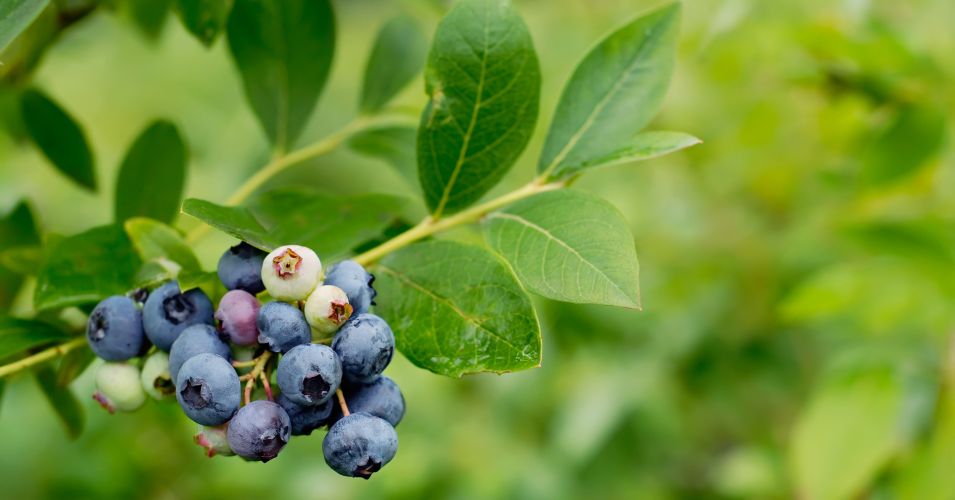
Blueberries aren’t the kind of plant you can treat like every other shrub in the garden. They have their own preferences, especially regarding soil and fertilizer, and getting those details right can make a huge difference.
The right natural fertilizer promotes steady growth, healthier plants, and larger harvests without disrupting the acidic conditions blueberries need to thrive.
If you’re wondering which organic fertilizers are worth using and which popular remedies are better left alone, you’re in the right place.
This guide covers the ideal natural fertilizers for blueberries, how to apply them, when to feed your plants, and the common mistakes that can prevent them from reaching their full potential.
What Blueberries Need From a Natural Fertilizer
Blueberries aren’t particularly demanding plants, but they are fussy about the type of fertilizer they receive. Feed them like tomatoes or roses, and you’ll probably end up with weak growth instead of baskets of fruit.
The secret is to work with the plant’s natural preferences rather than trying to force faster growth.
Acidic soil comes first. Blueberries grow best when the soil pH stays between 4.5 and 5.5, allowing the roots to absorb nutrients properly. If the pH creeps too high, the bushes can begin to show yellow leaves even though plenty of nutrients are already in the soil.
That’s why it’s worth choosing fertilizers that support acidic soil rather than products that gradually make it more alkaline.
The roots deserve just as much attention. Unlike many shrubs, blueberry roots stay close to the surface, where they’re more likely to be affected by heavy fertilizer applications.
They respond far better to a slow, steady supply of nutrients than a large dose applied all at once. Organic fertilizers are a natural fit because they release nutrients gradually as they break down.
Nitrogen is the nutrient blueberries use most during spring and early summer, especially while they’re producing fresh shoots and leaves. Even so, more isn’t always better. Too much nitrogen can encourage lush green growth while reducing flowering and fruit production, so a balanced approach usually delivers the best results.
Healthy soil matters as much as the fertilizer itself. Organic materials improve drainage, help the soil hold moisture during dry spells, and feed the microorganisms that make nutrients easier for plants to absorb. Those long-term improvements often make a bigger difference than a single application of fertilizer.
When choosing a natural fertilizer, think beyond the numbers on the label. The right product should provide gentle nutrition while helping maintain the rich, acidic, organic soil that blueberry bushes need to thrive.
Organic Fertilizers That Help Blueberries Thrive
Not every organic fertilizer is a good match for blueberries, which is why it pays to be selective. The goal is to provide steady nutrition without disrupting the acidic soil these plants rely on. Fortunately, several tried-and-tested options have earned a place in blueberry gardens.
Cottonseed meal is often considered one of the most reliable choices. It supplies nitrogen at a gradual pace and naturally suits acid-loving plants, making it an easy fit for routine feeding. Many gardeners use it as their main fertilizer throughout the growing season because it supports healthy growth without being overly strong.
Fish emulsion is useful when bushes need nutrients a little faster. It’s commonly applied in early spring, or after planting to encourage fresh growth, and because it’s a liquid fertilizer, the roots can absorb it quickly. A light application every few weeks is usually more effective than one heavy feeding.
Compost isn’t a high-strength fertilizer, but that doesn’t make it any less valuable. A layer of well-aged compost improves soil structure, increases moisture retention, and encourages beneficial microbes below the surface. Over time, those improvements create healthier growing conditions that benefit blueberry bushes season after season.
Pine bark and pine needles also deserve a mention. They won’t replace fertilizer, but they make an excellent mulch. As they slowly break down, they help conserve moisture, keep weeds under control, and support the acidic environment blueberries prefer.
Coffee grounds are probably the most talked about homemade blueberry fertilizer, but they’re often misunderstood. Used grounds contain only small amounts of nutrients, so they shouldn’t be relied on as a complete fertilizer.
Mixed into compost or applied occasionally in moderation, they can still be a useful addition without becoming the main source of plant nutrition.
Rather than depending on a single product, many gardeners combine several of these materials. A slow-release organic fertilizer, a layer of compost, and acidic mulch often provide everything blueberry bushes need to stay healthy and productive.
How and When to Feed Blueberry Bushes
Getting the timing right is just as important as choosing the right fertilizer. Blueberries do not need constant feeding, and giving them nutrients at the wrong time of year can actually reduce fruit production rather than improve it.
The best time to fertilize is in early spring, just before new growth begins. As the weather warms, the bushes start producing fresh leaves, flower buds, and new shoots. This is when they have the greatest demand for nutrients, making it the ideal time to apply an organic fertilizer.
If you’re using a slow-release product like cottonseed meal, one application in spring may be enough for younger plants. Larger, well-established bushes sometimes benefit from a second light feeding several weeks later, especially if they are producing a heavy crop.
There’s usually no advantage to fertilizing after midsummer because the plant should be preparing for dormancy rather than pushing out fresh growth.
How you apply fertilizer matters too. Scatter it around the drip line instead of placing it directly against the stem. Blueberry roots spread outward near the surface, so spreading the fertilizer over a wider area allows more of those roots to absorb the nutrients. Water the area afterward to help carry the fertilizer into the soil.
It’s also worth remembering that more fertilizer does not mean more blueberries. Overfeeding often produces plenty of leafy growth but fewer flowers and berries. In some cases, excess fertilizer can even damage shallow roots, leaving plants weaker than before.
Young bushes should be fed sparingly during their first few years. At this stage, they’re putting most of their energy into building a healthy root system rather than producing a large harvest. Once the plants mature, you can gradually increase the amount of fertilizer while continuing to monitor their response.
Instead of following a rigid schedule every year, pay attention to the bushes themselves. Healthy green leaves, steady growth, and reliable harvests usually mean your feeding routine is doing exactly what it should.
When Synthetic Fertilizers Make Sense
Natural fertilizers are often the first choice for blueberries, but that doesn’t mean synthetic products should be ruled out completely. There are times when they can solve a problem more quickly or fit a particular growing situation better than organic options.
One of the biggest advantages is speed. Organic fertilizers rely on soil microbes to break nutrients down before the plant can use them. Synthetic fertilizers are already in a form that roots can absorb, making them useful when a bush shows signs of a nutrient deficiency and needs help sooner rather than later.
Container-grown blueberries are another good example. Potting mixes lose nutrients much faster than garden soil because regular watering washes them away. A fertilizer formulated for acid-loving plants can help replace those nutrients without waiting for organic materials to decompose.
When choosing a synthetic fertilizer, pay close attention to the NPK ratio. Blueberries generally benefit from products with more nitrogen than phosphorus or potassium because nitrogen supports healthy leaf and shoot growth during the growing season.
Ratios such as 12-4-8, 10-5-5, or 7-3-4 are commonly recommended for established plants. It’s also important to choose a fertilizer that provides nitrogen in the ammonium form.
Synthetic fertilizers also require a careful hand. Because they are concentrated, it’s easy to apply more than the plant needs. Too much fertilizer can burn roots, encourage excessive leaf growth, and reduce the size or quality of the harvest. Measuring the correct amount is always better than estimating.
Many gardeners end up using both approaches instead of sticking to one. Organic fertilizers help build healthier soil over the long term, while synthetic products are kept on hand for situations that require a faster response. Used this way, each has its own role without replacing the other.
For most blueberry bushes growing in healthy soil, synthetic fertilizer should be the exception rather than the routine. It works best as a targeted solution, while regular organic feeding continues to provide the steady nutrition that blueberries naturally prefer.
Common Blueberry Fertilizer Mistakes to Avoid
Blueberries are surprisingly forgiving in some areas, but fertilizing is not one of them. A few simple mistakes can limit growth, reduce fruit production, or even weaken the plant over time. The good news is that they’re all easy to avoid once you know what to watch for.
The biggest mistake is assuming blueberries need lots of fertilizer. They don’t. These shrubs naturally prefer a steady, light supply of nutrients rather than large doses all at once. Feeding too heavily often produces impressive-looking foliage, but the berry harvest usually tells a different story.
Another mistake is forgetting about the soil itself. Fertilizer can only do so much if the pH isn’t where it should be. Blueberries absorb nutrients best in acidic soil, so testing the soil every few years is just as valuable as choosing the right fertilizer.
Without the proper pH, even healthy plants can begin showing yellow leaves and weak growth.
Timing can also catch gardeners out. Feeding bushes late in the summer encourages fresh shoots just when the plant should be preparing for winter. Those soft new stems may not harden before the first frost, leaving them more likely to suffer cold damage.
Where you spread the fertilizer makes a difference too. Piling it against the stem is a common habit, but most of the feeder roots sit farther out beneath the branches. A light, even application around the drip line allows the roots to reach the nutrients more effectively.
Finally, don’t believe every popular gardening tip you come across. Coffee grounds, banana peels, eggshells, and other homemade remedies are often described as complete fertilizers, but they rarely provide everything blueberry bushes need.
They can still have a place in the garden, but they should support a sensible fertilizing routine rather than replace it.
Blueberries reward consistency more than experimentation. Find a fertilizer that suits acid-loving plants, apply it at the right time, and let the bushes settle into a routine. You’ll usually see better results than constantly switching products in search of the perfect solution.
Final Thoughts
Growing healthy blueberries doesn’t have to be complicated. Once you understand what these plants need, choosing the right fertilizer becomes much easier.
The goal isn’t to encourage the fastest growth possible. It’s to create the right conditions for steady growth, healthy roots, and reliable harvests year after year.
Natural fertilizers remain the best choice for most blueberry bushes because they feed the plant while gradually improving the soil. When combined with proper watering, acidic soil, and a sensible feeding schedule, they give blueberries everything they need to thrive.
Synthetic fertilizers can still be useful in certain situations, but they work best as a targeted solution rather than the main approach.
With a little patience and consistent care, blueberry bushes often become more productive as they mature. Feed them thoughtfully, avoid the common mistakes, and they’ll reward you with healthier plants and baskets of sweet, homegrown berries for many seasons to come.