
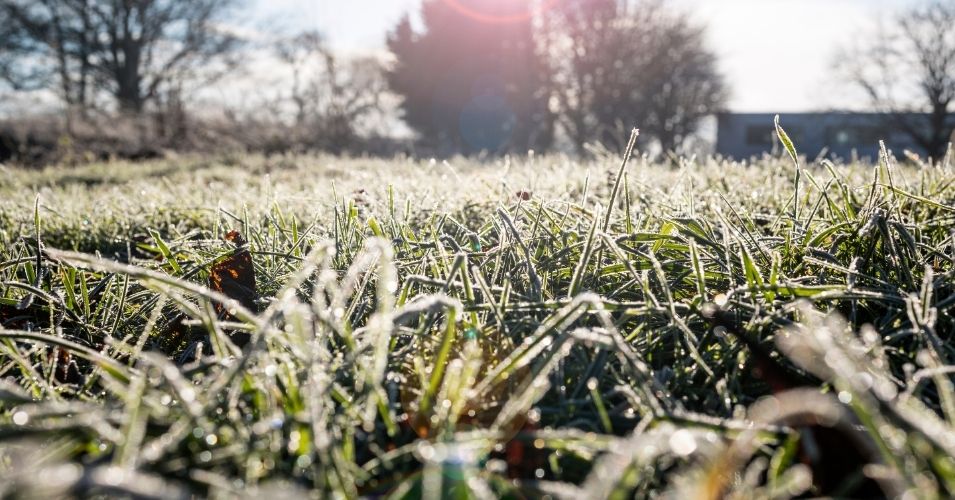
Winter places unique pressure on a lawn because the grass is not actively growing, yet it still needs protection from cold air, foot traffic, and shifting weather patterns.
Even when the yard looks quiet, the lawn is working hard beneath the surface to stay alive through freezing nights and short days.
Your winter habits influence how well the grass holds its color, how strong the roots remain, and how quickly the lawn can bounce back when the warmer season arrives.
By focusing only on what your lawn needs during winter, you can help it stay steady during the toughest months.
Understand How Winter Conditions Affect Your Lawn
Winter changes the way your lawn behaves, and understanding these changes helps you protect the grass when it is at its weakest point. Cold temperatures slow everything down, from the movement of nutrients to the strength of the blades, and this shift affects how well the lawn can cope with pressure.
When the ground cools, the soil becomes firm, and the roots enter a resting state, making the lawn less able to repair itself from damage. This is why something as simple as walking across a frozen lawn can leave lasting marks that stick around long after winter ends.
Shorter days add another layer of stress because the grass receives less sunlight during the season. Grass relies on light to maintain energy, even when it is not actively growing, and the reduced daylight weakens the ability of each blade to stay vibrant.
Many homeowners notice their lawn loses its bright color in winter, a normal response to limited sunlight and cold air. While the color fades, the grass is still alive beneath the surface, holding onto whatever energy it can until better conditions return.
Moisture also behaves differently in winter. Ice can create a seal over the soil that traps water, which prevents oxygen from reaching the roots. When the ground remains frozen for long periods, roots experience stress due to the lack of airflow.
At the same time, rapid temperature changes cause freezing and thawing cycles, which put pressure on the soil. These shifts can loosen roots or create pockets of space, leaving the grass less supported. Understanding how unpredictable winter weather disrupts the soil helps you see why certain parts of a lawn struggle more than others.
Wind is another factor that is easy to overlook in winter. Dry air pulls moisture from the blades, even when temperatures are low, leading to winter desiccation. This condition causes grass blades to dry out faster than they can recover, which results in brittle patches that appear dull or straw-like.
The stress from wind makes it essential to avoid unnecessary foot traffic, as dry, weakened grass is more prone to breaking under pressure. By recognizing the combined effects of cold air, limited sunlight, frozen soil, sharp winds, and shifting moisture levels, you gain a clearer understanding of what your lawn experiences during winter and why it needs careful treatment throughout the season.
Winter Watering Habits That Keep Grass Stable
Watering your lawn in winter requires close attention because the grass needs moisture to stay alive, yet it is more sensitive to the amount it receives. Unlike the warmer months, when grass grows quickly and absorbs water steadily, winter slows everything down.
Roots pull in moisture at a much slower rate, which means the soil can stay wet longer than expected. If the ground becomes waterlogged during the cold season, it can lead to root stress and fungal concerns that harm the lawn far into the future. Understanding how to adjust your watering habits helps the grass stay hydrated without overwhelming it.
The first step to watering wisely in winter is paying attention to natural rainfall. Many regions receive less moisture during the colder season, and the dry air can cause the soil to lose water faster than people realize.
If you go long stretches without rain and the soil appears dry, shallow watering helps keep the grass from drying out completely. You only need enough water to moisten the top few inches of soil, since the roots are not actively stretching deeper during this time. Light and occasional watering supports stability without forcing the lawn to handle more moisture than it can process.
Temperature also plays a significant role in winter watering decisions. If the weather is expected to drop below freezing, you should avoid watering altogether, since moisture on the lawn can freeze into a thin layer of ice that blocks air from reaching the soil.
This creates the kind of environment that weakens roots and leads to winter injury. On the other hand, watering just before a mild winter day helps maintain soil balance as temperatures rise slightly. This moisture gives the grass enough support to handle sudden temperature shifts, which often occur in winter and stress the lawn.
Windy winter days can dry out the soil even when the air feels cold, so checking soil moisture with a simple soil test is useful. If the top layer feels dusty or overly firm, it is a sign that the grass needs a light watering.
This level of attention prevents the lawn from slipping into winter drought, a condition many homeowners do not expect. With careful observation and gentle watering practices, your lawn remains stable throughout the season and enters the warmer months with its strength intact.
Practical Ways to Avoid Winter Damage
Winter damage often appears when grass is already weak from cold temperatures and limited sunlight, so small habits make a big difference in keeping your lawn safe. One of the most critical steps is reducing foot traffic during the coldest months, since frozen grass blades snap easily and do not repair themselves until warmer weather returns.
Even walking across a frosty lawn to take a shortcut can leave dents or brown paths that linger long after winter has passed. Keeping people and pets off the lawn whenever possible protects the blades from unnecessary stress during their most fragile period.
Removing debris from the lawn is another helpful habit during winter. Leaves, fallen branches, or leftover clutter create barriers that trap moisture and block airflow, which leads to mold or weakened patches of grass.
Even though growth slows down in winter, the lawn still needs breathing room to remain healthy beneath the surface. Occasional yard clearing prevents moisture from collecting in areas that would otherwise struggle to dry. This simple routine helps keep the lawn from becoming patchy or uneven as the season progresses.
Snow handling also plays a role in winter lawn protection. When snow begins to accumulate, avoid piling it in one spot, as concentrated weight can compress the grass for extended periods.
This pressure leaves lasting marks and encourages moisture buildup underneath. It is also helpful to avoid using products containing harsh chemicals to melt ice on pathways near the lawn, as runoff can seep into the soil and harm the grass. Choosing gentler alternatives and spreading snow piles evenly keeps the lawn steady through the cold season.
Another smart practice is checking for ice spots that form after a light freeze. Thick layers of ice keep oxygen from reaching the roots and can cause winter suffocation. If you notice ice buildup, gently breaking it into smaller pieces helps it melt faster, which protects the underlying grass.
At the same time, trimming tree branches that drop heavy snow onto the lawn prevents sudden weight from damaging the surface. When you combine mindful walking habits, debris removal, thoughtful snow placement, and simple ice management, you help your lawn remain strong throughout the winter months. These small steps work together to shield the grass from the harsh conditions of the season.
Strengthening Soil Health Throughout the Cold Season
Supporting soil health in winter gives your lawn a stronger foundation even when the grass is not actively growing. The soil acts as a protective layer, storing moisture, holding nutrients, and shielding the roots from freezing temperatures. When the soil stays healthy, the lawn can handle the stress of cold weather more easily.
One of the simplest ways to support soil health is to keep the surface free of compaction, since heavy objects or frequent walking can compact the soil and cause it to lose its natural structure. Loose soil allows roots to breathe, absorb moisture, and maintain strength during winter.
Moisture balance also affects soil health during the colder months. Even though winter brings cooler temperatures, the soil can still dry out if your region experiences long periods without rain.
When the soil becomes overly dry, it loses its ability to protect the roots from sudden temperature changes. Light watering during extended dry spells helps the soil maintain a soft, moist texture that helps shield the grass. At the same time, you want to avoid heavy watering so the soil does not become waterlogged, which makes it harder for oxygen to reach the root zone.
Wind exposure can also affect the soil. Strong winter winds remove moisture from the top layer of soil, leaving it brittle and dusty. A thin layer of natural mulch placed around the edges of the yard or near areas that dry out quickly can help lock in moisture.
This light cover supports the soil without smothering the grass. Mulch also helps stabilize soil temperature during unexpected winter warmups or sudden cold snaps, which often cause stress that travels down into the root zone.
Another helpful step is to monitor soil pH throughout the season. Winter weather can shift the balance of minerals in the soil, and an unhealthy pH level limits the grass’s ability to use nutrients stored beneath the surface. Testing the soil provides valuable information about its condition, and simple adjustments can help correct imbalances.
Understanding how moisture, wind, compaction, and mineral levels affect the soil gives you the tools to keep it healthy throughout winter. Taking a few gentle steps now ensures the soil remains a strong support system for your lawn during the coldest months.
Create a Winter Routine That Protects Lawn Strength
Building a steady winter routine gives your lawn the support it needs during the coldest months, especially when the grass cannot repair itself quickly. A winter routine does not need to be complicated, but it should be consistent.
Start by giving yourself a weekly or biweekly check-in, walking the edges of the yard, and observing any changes in color, moisture, or texture. These quiet moments help you catch minor issues before they grow into larger problems, and they give you a clear sense of how your lawn is responding to winter weather. Even though the grass is resting, your attention encourages stability.
Part of your routine should include checking moisture levels, especially during dry weeks. Cold air combined with winter wind can pull moisture from the soil faster than many people expect, which puts the lawn at risk of winter drought.
Using your hand or a simple moisture meter helps you determine when the soil needs a small amount of water. You only need enough to moisten the upper soil layers and protect the roots from drying out. Gentle watering helps the grass stay steady during unexpected temperature shifts that often occur throughout the season.
Another helpful habit is clearing debris before it builds up. Tiny branches, fallen leaves, or neighborhood clutter can settle on the lawn unnoticed, and these objects block airflow and trap moisture. When the lawn lies under debris for too long, small pockets of damage begin to form.
Making debris removal part of your winter routine keeps the grass open to light, air, and moisture in a balanced way. It also gives the lawn a cleaner surface that is less likely to develop mold or pressed-down patches after a freeze.
You can also add simple protective steps to your routine, such as gently breaking apart ice that forms over the lawn. Thick layers of ice reduce oxygen flow to the roots, so helping the ice melt more quickly keeps the soil beneath the surface healthier. Monitoring high traffic areas is another part of good winter care.
If a particular path sees heavy foot traffic, find ways to redirect foot traffic until temperatures warm up. When you build a steady winter routine that includes observation, moisture checks, light debris removal, and ice management, you create an environment where grass can remain resilient throughout the season. These steps form a strong foundation that carries your lawn safely through winter.
Final Thoughts
Maintaining your lawn during winter takes patience, awareness, and a gentle approach that respects how grass responds to the cold.
Even small routines make a meaningful difference when the lawn is unable to recover from stress as quickly as it can in warm weather.
By protecting the soil, watching moisture levels, reducing pressure on the grass, and supporting the lawn through each shift in winter conditions, you help it stay strong beneath the surface.
These simple habits help your lawn weather winter with greater stability and prepare for healthier growth when the season eventually changes.