
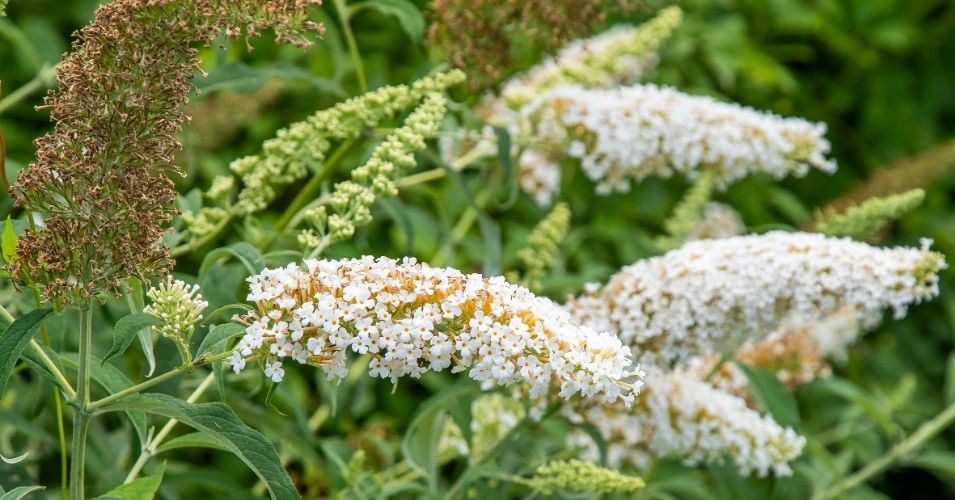
Summer is when butterfly bushes truly come alive, bursting with color and attracting a steady stream of butterflies, bees, and other pollinators.
These fast-growing shrubs thrive in warm weather, but they also need proper care to stay healthy and vibrant throughout the hottest months. With proper attention, your butterfly bush can become the highlight of your garden.
This guide will walk you through everything you need to know to keep your plant flourishing all summer long.
How Summer Affects Your Butterfly Bush
When summer arrives, your butterfly bush shifts into its most active and vibrant phase. This is the season when it grows quickly, produces long flower spikes, and attracts pollinators from morning to evening.
Warm temperatures and extended daylight hours signal the plant to push out new stems and buds. You may notice it changes almost daily, with fresh blooms opening and older ones fading in a steady cycle.
This burst of activity requires energy, which the plant draws from sunlight, water, and soil nutrients. If any of these are lacking, growth can slow down, and flowers may appear smaller or less frequent.
Summer heat can also place stress on the plant, especially during dry spells. Leaves may droop slightly in the afternoon sun, which is often normal, but prolonged dryness can lead to wilting or leaf drop.
At the same time, this shrub is naturally tough and built for sunny conditions. It thrives in full sun and actually produces more blooms when it gets plenty of light.
Another important change during summer is the plant’s focus on flowering rather than root development, meaning most of its energy goes into producing those colorful, fragrant blooms that butterflies love.
Because of this, regular care becomes more important during these months. Small efforts like trimming spent flowers or checking soil moisture can make a big difference in how full and healthy the plant looks.
Understanding this seasonal rhythm helps you meet your butterfly bush’s needs, supporting its natural growth cycle and enjoying a longer, more impressive display of flowers throughout the season.
The Right Way to Water in Hot Weather
Watering a butterfly bush during summer is less about frequency and more about technique. Giving it the right amount at the right time helps it stay strong without creating problems below the surface.
These plants prefer deep watering rather than light, frequent sprinkles because a slow soak allows moisture to reach the roots, which grow deeper into the soil and become more resilient during dry periods.
Shallow watering, on the other hand, keeps roots near the surface, making the plant more vulnerable when temperatures rise, and the top layer of soil dries out quickly.
A good rule is to water when the top few centimeters of soil feel dry to the touch. If the soil still feels slightly damp, it is better to wait rather than risk overwatering.
Morning is the best time to water since cooler temperatures allow moisture to soak in before the heat of the day causes evaporation. Watering in the evening can work, but it sometimes leaves the soil damp overnight, which may encourage fungal issues in humid conditions.
It is also important to avoid overwatering, as butterfly bushes do not like soggy soil, and excessive moisture can lead to root problems.
If your plant is in a container, check the drainage holes regularly to ensure excess water can drain. For garden plants, well-draining soil is key to preventing water from pooling around the roots.
During extreme heat, you might need to water more often, but always check the soil first instead of sticking to a strict schedule. By focusing on deep, consistent watering, you help your butterfly bush stay hydrated, stable, and ready to produce blooms all summer long.
Pruning and Deadheading for More Blooms
Keeping your butterfly bush in bloom throughout summer depends heavily on how you manage its flowers and growth. Pruning and deadheading are simple tasks, but they have a powerful effect on how full and colorful your plant becomes.
Deadheading means removing flowers that have already faded, and once a bloom begins to dry out, the plant starts channeling energy into seed production rather than creating new flowers.
By cutting off those spent blooms, you redirect that energy back into growth and fresh buds, encouraging the plant to produce more flower spikes and often leading to a longer blooming season.
Use clean, sharp scissors or garden shears and cut just below the faded flower cluster. Look for a pair of healthy leaves or a new bud and make your cut slightly above that point so the plant can quickly push out new growth.
This small step can quickly improve the look of your plant. Instead of dull, drooping flowers, you get a steady supply of vibrant blooms that keep your garden lively.
Pruning goes a bit further than deadheading, as it involves trimming back longer stems to shape the plant and keep it from becoming too leggy. During the summer, light pruning works best, since heavy cutting can slow flowering.
Removing a few overgrown stems helps maintain a balanced, bushy form while improving air circulation through the plant, reducing the risk of disease, and keeping leaves looking fresh.
If you notice weak or damaged branches, remove them right away so the plant can focus its energy on stronger growth. Regular attention, even just once a week, can make a noticeable difference, leaving your butterfly bush looking neater, healthier, and more productive.
With consistent pruning and deadheading, you create the conditions for continuous blooms and a more attractive garden display.
Sunlight, Soil, and Proper Feeding
A thriving butterfly bush relies on the right environment just as much as it does on watering and pruning. Sunlight, soil quality, and nutrients all work together to support steady growth and vibrant flowers throughout the summer.
Sunlight is the most important factor, as these plants need full sun, which means at least six hours of direct light each day. In brighter conditions, they produce more blooms and develop stronger stems, while plants placed in partial shade may grow but will often flower less.
Soil plays a key role in keeping the roots healthy. Butterfly bushes prefer well-draining soil that does not stay wet for long periods, since heavy or compacted soil can trap moisture and lead to root problems.
If your garden soil is dense, mixing in sand or compost can improve its structure and allow excess water to drain more easily. Good drainage helps roots breathe and absorb nutrients more effectively, which supports overall plant health.
Feeding your plant provides the nutrients it needs to support all that summer growth, but it is important not to overdo it. Too much fertilizer can lead to lots of leafy growth with fewer flowers, which is the opposite of what you want. A balanced, slow-release fertilizer applied in early summer is usually enough to support steady blooming.
If you prefer a natural option, compost works well and improves soil health over time by adding nutrients gradually and supporting beneficial microorganisms. Pay attention to how your plant responds, since pale leaves or slow growth can be signs that it needs a light feeding.
When you give your butterfly bush plenty of sunlight, well-structured soil, and just the right amount of nutrients, you set it up for a strong and colorful summer season.
How to Prevent Heat Stress and Common Problems
Summer brings ideal growing conditions, but it can also push your butterfly bush to its limits if temperatures climb too high. Knowing how to protect your plant during intense heat will help it stay healthy and continue blooming.
One of the first signs of heat stress is drooping leaves during the hottest part of the day, which can be normal in short bursts of heat, but if the plant stays wilted into the evening, it may need extra attention.
Deep watering plays a major role in preventing stress because when roots have access to consistent moisture below the surface, the plant is better equipped to handle high temperatures.
Mulching is another helpful step: a layer of organic material, such as bark or compost, placed around the base helps keep the soil cooler and slow moisture loss. It is also important to watch for signs of sun scorch, in which leaves may develop dry, brown edges when exposed to extreme sunlight without enough water.
If your plant is in a container, consider moving it to a spot with light afternoon shade during heat waves. Garden-planted shrubs usually adapt well, but newly planted ones may need temporary protection to avoid stress.
Pests can become more active in warm weather as well, with aphids and spider mites being the most common issues, often gathering on the undersides of leaves.
Check your plant regularly to catch problems early, since a gentle spray of water or insecticidal soap is often enough to control small infestations.
Fungal issues can appear if the plant stays too damp, especially in humid conditions, so proper spacing and airflow help reduce this risk.
By combining consistent watering, light protection during extreme heat, and regular pest checks, you can prevent common problems and keep your butterfly bush healthy and able to produce flowers even during peak summer.
Final Thoughts
Caring for a butterfly bush in summer does not have to be complicated. With a bit of attention and the right approach, it can reward you with continuous color and lively garden activity.
Focus on the basics such as deep watering, occasional pruning, and plenty of sunlight, since these simple habits support strong growth and long-lasting blooms.
Stay observant as the season progresses, because small changes in the plant’s appearance can guide you in adjusting your care routine.
With consistent effort, your butterfly bush can remain a vibrant centerpiece throughout the warmest months.