
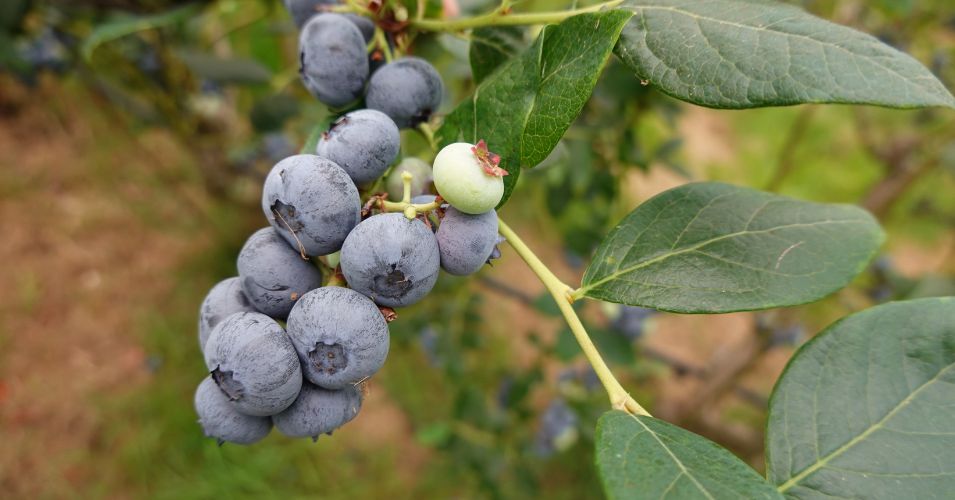
Spring is an exciting season for blueberry growers. As days grow longer and temperatures rise, blueberry plants begin waking up from winter rest and preparing for a new cycle of growth and fruit production. Tiny buds swell, roots become more active, and fresh leaves start to appear.
The care you provide during this time plays a significant role in how many berries you will harvest later. Watering, pruning, feeding, and soil management all work together to shape success.
By learning how to support your blueberry plants in spring, you can help them grow stronger, resist stress, and produce sweeter, healthier fruit throughout the season.
Understanding How Blueberries Wake Up After Winter
As winter ends and temperatures slowly rise, blueberry plants begin a quiet but essential transition. Beneath the soil and along bare branches, small changes signal the start of a new growing season.
During cold months, blueberry bushes remain dormant. Growth slows, leaves drop, and energy is stored in the roots and woody stems. This rest period protects the plant from freezing temperatures and harsh weather.
When spring arrives, warmer soil encourages roots to become active again. They start absorbing water and nutrients in preparation for new growth. This renewed activity supports the development of buds, leaves, and future flowers.
One of the first visible signs of awakening is bud swelling. Small, rounded buds begin to plump up along the branches. Some buds will form leaves, while others will develop into flower clusters that later become berries.
As daylight increases, the plant shifts energy upward. New shoots begin forming, and stems strengthen to support upcoming growth. This process happens gradually and should not be rushed.
Different blueberry varieties may wake up at varied speeds. Some respond quickly to early warmth, while others wait until temperatures are more stable. This variation is normal and influenced by climate and plant type.
Water needs also begin to increase during this time. Roots that were nearly inactive in winter now draw moisture more consistently. Soil should be kept evenly moist but never soggy.
Healthy spring awakening usually produces firm buds and bright green shoots. Weak or shriveled growth may indicate winter damage or root stress that needs attention.
Removing old leaves and debris around the base helps the soil warm faster. It also improves airflow and reduces the risk of disease.
Avoid heavy feeding during early awakening. The plant first needs to establish steady growth before handling extra nutrients.
Observing your blueberry bushes closely during this period helps you understand how they respond to seasonal changes. This awareness makes later care easier and more effective.
By allowing blueberries to wake up naturally and supporting them gently, you create a strong foundation for flowering and fruit production.
Pruning and Shaping for Strong New Growth
Spring pruning is one of the most important tasks in blueberry care. Proper trimming improves plant health, encourages productive branches, and leads to better berry yields.
After winter, many branches may show signs of damage. Some may be dry, broken, or weakened by cold. Removing these parts helps redirect energy to healthy growth.
Begin by identifying dead wood. Healthy branches are flexible and green inside when lightly scratched, while dead ones are brittle and brown. These should be removed first.
Next, focus on thinning crowded areas. Blueberry bushes grow best when sunlight and air can reach the center. Removing overlapping and inward-growing branches improves airflow and reduces disease risk.
Older canes that are more than five or six years old often produce fewer berries. Cutting a few of these at ground level each year encourages new, productive shoots.
Shaping the plant creates a balanced structure. Aim for an open form with several strong main canes and plenty of space between them. This allows even growth and easier harvesting.
Avoid cutting too much at once. Removing more than one-third of the plant can reduce flowering and delay fruiting. Gradual pruning produces better long-term results.
Make clean cuts just above healthy buds or branch joints. This encourages smooth healing and controlled regrowth. Using sharp, clean tools prevents tearing and infection.
Disinfect pruners between plants when possible. This helps stop the spread of disease.
Pruning also stimulates new growth. Each cut signals the plant to produce fresh shoots, which will become future fruiting wood.
After pruning, remove fallen branches and leaves from the ground. This reduces hiding places for pests and keeps the area clean.
Light watering after pruning supports recovery. Mulching afterward helps protect roots and retain moisture.
With regular spring pruning, blueberry bushes develop stronger frameworks, healthier leaves, and more reliable fruit production year after year.
Water and Soil Care for Healthy Root Systems
Vigorous blueberry plants depend on healthy roots, and spring is the season when underground growth resumes. As temperatures rise, roots begin absorbing more water and nutrients to support new leaves and developing flowers.
Blueberries have shallow root systems, which means they dry out faster than many other shrubs. Because of this, consistent moisture is essential during spring.
Soil should be kept evenly moist but never waterlogged. Dry soil stresses roots, while soggy soil limits oxygen and encourages rot.
Before watering, check the soil by pushing your finger a few inches into the ground. If it feels dry at that depth, it is time to water.
Water slowly at the base of the plant. This allows moisture to soak deeply and reach the whole root zone. Avoid spraying leaves, which can increase disease risk.
Early morning is the best time to water. This gives excess moisture time to dry during the day, helping keep foliage healthy.
Soil quality plays a significant role in root health. Blueberries prefer loose, well-draining soil that is rich in organic matter.
Acidic soil is essential for blueberries. They grow best at soil pH between 4.5 and 5.5. In soil that is too alkaline, roots struggle to absorb nutrients.
Adding compost, pine bark, or peat moss helps improve both structure and acidity. These materials loosen heavy soil and increase moisture retention.
If your soil is naturally alkaline, sulfur or acid-forming fertilizers may be needed. Soil testing in spring helps guide these adjustments.
Avoid compacting soil around blueberry plants. Heavy foot traffic and hard packing reduce airflow and weaken roots.
Mulching also supports healthy soil by regulating temperature and moisture. It protects shallow roots from sudden changes.
Remove weeds regularly. Weeds compete for water and nutrients and can quickly weaken young bushes.
Monitoring soil moisture and structure throughout spring prevents stress and supports steady development. By maintaining proper water levels and soil conditions, you create a stable environment where blueberry roots can thrive.
Feeding and Mulching for Better Berry Production
Spring is the most critical feeding season for blueberry plants. As growth resumes, plants need extra nutrients to support flowering and fruit development.
Begin feeding when new leaves appear. This shows that roots are active and ready to absorb nutrients. Feeding too early may be wasted.
Use fertilizers designed for acid-loving plants. These formulas provide nutrients in forms that blueberries can use easily.
Nitrogen supports leaf growth, phosphorus encourages root development, and potassium strengthens overall plant health. Balanced feeding promotes steady growth.
Apply fertilizer according to label instructions. Using more than recommended can damage roots and reduce fruit quality.
Water before and after fertilizing. Moist soil protects roots and helps evenly distribute nutrients.
Organic options such as cottonseed meal, fish emulsion, and composted manure work well for blueberries. These release nutrients slowly and improve soil structure.
Liquid fertilizers act faster and can help boost weak plants. They should be appropriately diluted to avoid burn.
Avoid heavy feeding late in spring. Excess nitrogen can cause leafy growth at the expense of flowers and berries.
Mulching works closely with feeding to improve results. A layer of mulch helps retain moisture, regulate soil temperature, and prevent weeds.
Apply two to four inches of mulch around each plant. Keep mulch a few inches away from the main stem to prevent rot.
Pine needles, shredded bark, and wood chips are excellent mulch choices for blueberries. They also help maintain soil acidity as they break down.
Refresh mulch each spring as it decomposes. A clean mulch layer supports healthy roots and keeps soil cool.
Mulch reduces watering needs by slowing evaporation. It also protects shallow roots from heat and cold swings.
Remove old, compacted mulch before adding new material. This prevents water blockage and pest buildup.
With proper feeding and thoughtful mulching, blueberry plants receive steady nutrition, leading to larger harvests and sweeter fruit.
Preventing Problems and Supporting Long-Term Plant Health
Spring is the best time to protect blueberry plants from future problems and build strong habits that support long-term growth. Early care helps prevent disease, pests, and environmental stress before they become serious.
One of the most common spring issues is fungal disease. Problems such as powdery mildew, leaf spot, and fruit rot often appear when moisture and poor airflow combine. Proper spacing, pruning, and watering at the base of the plant help reduce these risks.
Regular inspection is essential. Checking leaves, stems, and buds each week helps you notice early signs of trouble. Yellow spots, curled leaves, or unusual discoloration may indicate developing problems that need quick attention.
Pests also become active as temperatures rise. Aphids, mites, and caterpillars are attracted to tender new growth. Looking under leaves and along young shoots helps you catch infestations early. If pests appear, rinsing plants with water or using mild insecticidal soap is often enough to control small outbreaks.
Avoid harsh chemical sprays whenever possible. Strong products can harm beneficial insects and weaken plant defenses. Balanced care supports natural resistance better than aggressive treatments.
Soil condition plays a significant role in plant health. Poor drainage, low organic matter, or incorrect pH can limit nutrient uptake and weaken roots. Testing the soil every few years helps guide improvements and maintain proper acidity.
Mulch management is another key factor. Old, compacted mulch can trap moisture and encourage rot. Refreshing mulch improves airflow and protects shallow roots. Weed control should also remain a priority because weeds compete for water and nutrients.
Protect plants from physical damage caused by lawn equipment, pets, and heavy foot traffic. Shallow roots are easily damaged and take longer to recover.
Temperature swings in spring may stress young growth. Covering plants during late frosts helps protect developing buds. Pruning damaged branches promptly also prevents the entry of disease.
Balanced feeding strengthens natural resistance, while overfeeding often increases vulnerability. Observation remains your best tool for maintaining health.
Long-term plant success comes from steady attention rather than quick fixes. By preventing problems early and supporting natural defenses, you help blueberry plants remain productive for many years.
Final Thoughts
Caring for blueberry plants in spring lays a strong foundation for the growing season. The attention you give now shapes future growth, flowering, and fruit quality.
When watering, pruning, feeding, and monitoring are done thoughtfully, plants respond with stronger roots, healthier leaves, and better harvests. Consistent routines matter more than occasional heavy effort.
By observing your plants closely and adjusting care as conditions change, you build a resilient garden that produces sweet, reliable berries year after year.