
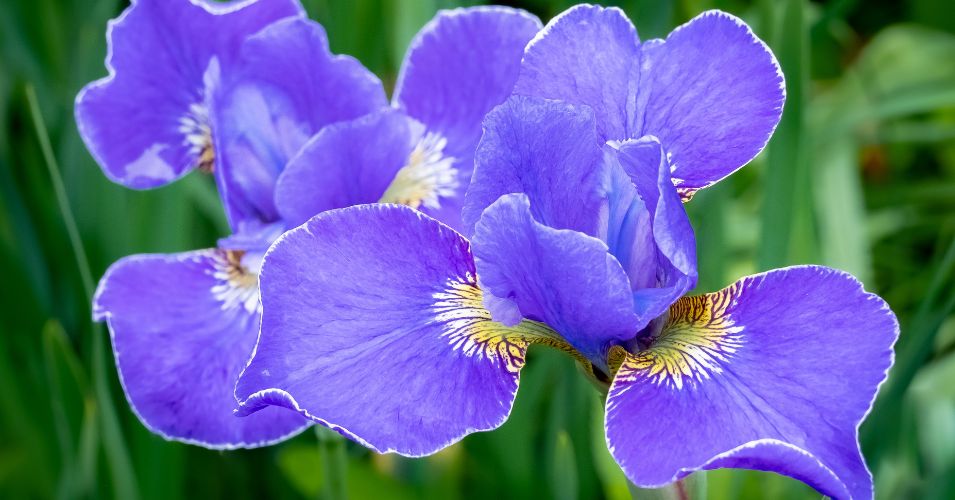
Once the last iris flowers disappear, it is easy to forget about the plants until next year. Fall, however, is a useful time to give them some attention.
The foliage is beginning to fade, the rhizomes have finished months of active growth, and cooler, wetter weather can bring a different set of problems to the garden.
Fortunately, irises do not ask for much. A little cutting back, occasional dividing, and a good cleanup can make a noticeable difference.
Knowing what to do, and what is better left alone, will help your irises finish the season healthy and ready for the colder months ahead.
Understand What Happens to Iris Plants in Fall
By fall, an iris bed can look quite different from the one that produced a burst of flowers earlier in the year.
The blooms have disappeared, fresh growth has slowed, and some of the sword-shaped leaves may be yellowing at the tips or leaning toward the ground. This change is normal and is part of the plant’s yearly cycle.
What you see above ground, however, is only part of the story.
Bearded irises grow from thick rhizomes that sit at or close to the soil surface. These rhizomes store the energy the plants have gathered during the growing season. Healthy leaves continue contributing to those reserves while they remain green, which is why there is no benefit in rushing to remove all the foliage as soon as summer ends.
Instead, fall is a good time to pay closer attention to each plant’s condition.
A few yellow or brown leaves are usually nothing to worry about. Older foliage naturally declines as the season advances, and cool nights can speed up the process. Badly spotted, rotting, or unusually discolored leaves are another matter. Removing unhealthy material can help keep the iris bed cleaner and reduce places where certain pests and plant diseases may persist.
Weather also influences how quickly irises settle down for the year. Gardeners in colder areas may see foliage decline after the first frosts, while plants in milder climates can stay green much later into fall. For that reason, the plant’s condition is often a better guide than a specific calendar date.
Keep the iris type in mind, too. Bearded irises prefer especially well-drained conditions, while Siberian irises tolerate more moisture. Fall rain can therefore be welcome for one planting but troublesome for another if water begins collecting around the roots or rhizomes.
The main aim during fall is simple: let healthy growth finish naturally while keeping the planting area clean and well-drained. You don’t need to push the plant into dormancy. Give it the conditions it needs, and it will get there on its own.
Cut Back Iris Leaves at the Right Time
Seeing a patch of untidy iris leaves in fall often makes pruning feel like the obvious first job. Before cutting everything down, take a closer look at the foliage. If much of it is still firm and green, leaving it alone for a while is usually the better choice.
Green leaves still collect sunlight and help the plant store energy in its rhizomes. Cutting them back just because flowering has finished removes foliage that is still useful.
There is nothing wrong with tidying individual leaves earlier. Trim brown tips, and remove leaves that are completely dead, broken, badly spotted, or rotting. Save the larger cutback until the foliage is clearly declining or cold fall weather has caused it to die back.
When that point arrives, use sharp, clean pruners or garden shears. Cut the old foliage several inches above the base, taking care not to slice into the rhizomes. You also don’t need to tug stubborn leaves from the plant. A clean cut causes less disturbance and makes it easier to work through a large iris bed.
You may have seen iris leaves trimmed into neat fans or pointed shapes. That appearance is mostly a matter of preference. Your iris does not need a carefully sculpted haircut to make it through the season.
What matters more is what happens to the foliage after you cut it.
Don’t leave piles of old leaves around the bases of the plants. Damp, decaying material creates a less healthy environment and can give pests a sheltered place to stay. Gather the cuttings, fallen leaves, and other garden debris so air can move freely around the rhizomes.
Be more cautious with foliage that appears diseased. Rather than automatically adding spotted or infected leaves to a home compost pile, dispose of them in a way that will not return the problem to the iris bed.
Once the cleanup is finished, resist the urge to keep pruning simply because a few green leaves remain. Fall iris care is not about making the bed look perfectly bare. It is about removing foliage when it has reached the end of its useful life while letting healthy leaves keep working as long as conditions permit.
Divide and Replant Crowded Iris in Fall
A healthy patch of iris does not stay neatly contained forever. New rhizomes develop beside the older ones, fans of leaves multiply, and after a few years there may be very little open ground between plants. Sometimes rhizomes even begin growing across or on top of one another.
That crowding can eventually show up in the flowers. A clump that once bloomed heavily may produce fewer blooms even though it still has plenty of foliage.
If you notice these signs in fall, dividing the clump may be worthwhile—timing matters, particularly with bearded iris. The newly planted pieces need a chance to grow roots before the ground becomes very cold, so tackle this job in early fall rather than saving it for the end of the season in colder regions.
Use a garden fork or spade to loosen the soil around the clump, leaving some distance between the tool and the rhizomes. Lift carefully and remove enough loose soil to see what you are working with.
You will probably find that some sections are much better candidates for replanting than others. Keep firm, healthy rhizomes with good roots and a fan of leaves. Discard older sections that are no longer productive, along with anything that feels soft, rotten, or badly damaged.
Once you have chosen the healthiest pieces, prepare their new positions before putting them back into the ground.
Bearded iris should sit surprisingly close to the surface. Place the rhizome horizontally, spread the roots into the soil, and avoid covering it with a deep mound of earth. Planting too deeply can cause problems, especially where the soil stays damp.
Spacing matters too. Putting every division back into a tight cluster recreates the overcrowding you have just fixed.
Water the newly planted pieces to settle the soil around their roots, then watch natural rainfall rather than soaking the bed repeatedly.
Most importantly, do not divide an iris just because fall has arrived. A healthy clump that still has room and flowers reliably is better left where it is.
Take Care of the Soil, Water, and Rhizomes
Walk through an iris bed after a stretch of fall rain, and you can learn quite a lot about the conditions around your plants. If the ground is still soggy long after the rain has stopped, or water is sitting around the rhizomes, drainage may need more attention than anything happening to the leaves.
This is especially important with bearded iris. Their thick rhizomes sit close to the surface and can suffer if they stay wet too long.
Do not respond by withholding water from every iris for the rest of fall, though. Recently divided and replanted irises still need enough moisture to establish their roots. During a dry spell, they may need watering even when temperatures have cooled.
Established plants are different. As their growth slows, they generally use less water, and regular fall rainfall may provide everything they need. Check the soil before reaching for the hose. Moist ground doesn’t need another soaking just because watering is part of your normal garden routine.
While you are checking the soil, pull any weeds that have worked their way between the plants. Removing them now makes the bed easier to inspect and prevents dense growth from collecting around the rhizomes.
Take your time close to the plants. Iris rhizomes are shallow enough to be damaged by careless hoeing, and a small hand tool or your fingers may be a better choice in tight spaces.
Approach fall feeding with the same restraint. Adding a high-nitrogen fertilizer can encourage leafy growth when the plant should be winding down for the season. There is little reason to feed an iris simply because you are doing other fall jobs. If you suspect poor soil is affecting your plants, a soil test gives you something more useful to work from than guesswork.
One final detail often surprises new iris growers. A bearded iris rhizome visible at the soil surface does not necessarily need rescuing.
Avoid covering it with several inches of soil to make the planting look more conventional. Keeping the rhizome shallow and the surrounding ground well-drained matters far more than hiding every part of the plant.
Clean Up and Protect Iris Before Fall Ends
By late fall, an iris bed rarely looks as tidy as it did earlier in the season. Wind has blown leaves between the plants, weeds may have appeared in open patches, and the last of the iris foliage can be lying across the soil. Clearing away this mess is one of the most useful things you can do before colder weather arrives.
Pay particular attention to material gathered around the rhizomes. Wet leaves and decaying foliage can hold moisture against them, which is not ideal for bearded iris.
You do not need to leave the ground spotless. Remove thick piles of leaves, dead plant material, and weeds that crowd the plants or block airflow.
This final cleanup is also a good excuse to look at rhizomes you might otherwise overlook. They should feel firm, not soft or mushy. Deal with any obvious rot or badly damaged sections instead of allowing them to sit in damp soil for the rest of the season.
Then consider whether the plants actually need extra protection from the coming cold.
Established iris plants are quite hardy, so covering every bed with a deep layer of mulch is not automatically helpful. In fact, piling wet organic material directly over bearded iris rhizomes can trap moisture and create poor growing conditions.
Newly planted divisions can be a different story in areas with harsh winters. Repeated freezing and thawing can shift the soil and push young plants upward before their roots are firmly established. A light, loose covering applied after cold weather settles in can offer some protection where this is a common problem.
Before calling the job finished, glance over any irises you divided earlier in fall. Rain and watering can move soil around new plantings, leaving a rhizome too exposed or burying it deeper than intended.
If everything looks secure and excess water can drain away, there is little reason to keep fussing with the bed. A good late fall cleanup should leave your irises ready to sit quietly through the colder part of the year.
Final Thoughts
Fall iris care does not have to fill an entire weekend. It comes down to noticing what your plants need and avoiding work that serves no real purpose.
Leave healthy foliage in place until it begins to fade, divide only crowded clumps, and keep the area around the rhizomes free of weeds and soggy debris. If you grow bearded iris, watch drainage closely as fall becomes cooler and wetter.
Before the season ends, walk through the bed once more and deal with anything that looks out of place. A loose rhizome, a pile of wet leaves, or a struggling new division is much easier to correct now.
After that, put the tools away. Your irises do not need constant attention to make it through the colder months. A sensible fall cleanup gives them a strong start toward another year of healthy growth and flowers.