
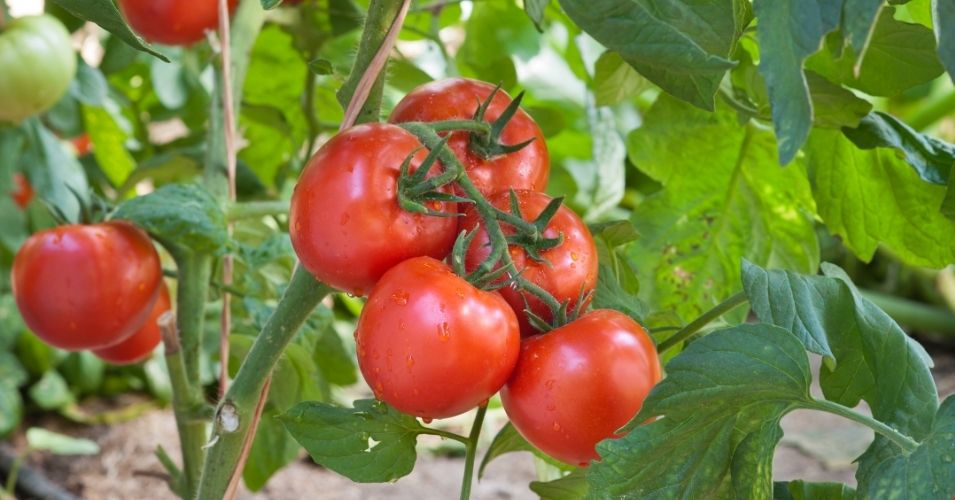
Tomatoes are one of the most rewarding plants to grow, especially during the bright and busy summer months.
When the sun is strong and the days are long, tomato plants grow quickly and can produce an incredible harvest if they are properly cared for.
But summer can also be challenging, with heat, pests, and watering needs all demanding your attention.
If you learn how to respond to your plants’ needs, you can turn these challenges into opportunities for healthier growth and better-tasting fruit.
This guide will walk you through simple, effective ways to keep your tomatoes thriving all summer long.
Give Your Tomatoes a Strong Summer Start
The way your tomato plants enter summer often shapes everything that follows, from growth speed to the quality of the fruit they produce. A strong foundation early in the season gives your plants the best chance to stay healthy and productive as temperatures rise.
Start by looking at where your tomatoes are planted and how much sunlight they receive each day. Tomatoes thrive in full sun and need at least six to eight hours of direct light to grow well.
When plants get enough sunlight, they tend to develop thicker stems and produce fruit with better flavor. If they are placed in partial shade, they may grow taller as they reach for light, but they often produce fewer tomatoes.
Soil plays an equally important role in early summer success. Tomatoes prefer soil that feels loose and rich rather than dense and compact. If your soil feels heavy, gently loosening it can help roots spread more easily. Mixing in compost improves both drainage and nutrient content, which supports steady growth over time.
Spacing is another factor that is easy to overlook but has a big impact. When plants are crowded, they compete for water and nutrients, limiting airflow between leaves. Poor airflow can create the perfect environment for disease to develop. Giving each plant enough space allows it to grow more evenly and stay healthier.
It is also important to provide support early in the season. Adding stakes or cages while the plants are still small helps guide their growth and prevents damage later. Waiting too long can disturb the roots and make the plant less stable.
By setting things up properly at the start, you make it much easier to care for your tomatoes as they grow larger.
Find the Right Balance with Water
Watering tomatoes during summer requires a careful approach because both too little and too much water can cause problems.
The goal is to keep the soil evenly moist without allowing it to become overly saturated. When you find the right balance, your plants will grow steadily and produce better quality fruit.
Instead of following a fixed watering schedule, it is more effective to check the soil regularly. Insert your finger a short distance into the soil to feel for moisture. If it feels dry below the surface, your plants likely need water. If it still feels slightly damp, it is best to wait.
This simple habit helps you respond to your plant’s actual needs rather than guessing.
Deep watering is one of the most helpful practices you can adopt. When water reaches deeper into the soil, roots grow downward in search of moisture. This leads to stronger plants that are better able to handle heat and short dry periods. In contrast, frequent shallow watering keeps roots near the surface, making them more vulnerable to stress.
Timing also matters more than many people realize. Watering early in the morning allows plants to absorb moisture before the heat of the day causes it to evaporate. It also gives leaves time to dry, which lowers the chance of disease. Evening watering can leave plants damp overnight, which is not ideal in warm conditions.
Keeping water directed at the base of the plant is another simple but important step. Wet leaves can encourage fungal issues, especially during humid weather. Adding a layer of mulch around your plants helps maintain consistent moisture by slowing evaporation and keeping the soil cooler.
With consistent watering, your tomatoes will stay firm, healthy, and ready to produce throughout the summer.
Choose the Best Way to Feed Your Plants
Tomatoes are heavy feeders, meaning they require ample nutrients as they grow, flower, and produce fruit. If the soil is low in essential nutrients, plants may grow more slowly or produce smaller, less flavorful tomatoes.
Choosing the right way to feed your plants helps maintain steady growth and supports a more rewarding harvest.
Start by understanding what your tomatoes need most during summer. Nitrogen supports leafy growth, while phosphorus and potassium help with root strength and fruit development.
Early in the season, a balanced fertilizer works well, but once flowers begin to appear, it is helpful to shift toward a blend that more strongly supports fruit production.
Organic options such as compost, well-aged manure, or liquid feeds made from natural ingredients can provide steady nutrition over time. These choices improve soil health while also feeding the plant. If you prefer a store-bought fertilizer, look for one designed specifically for tomatoes, as it will have the right balance of nutrients.
It is important not to overfeed your plants. Too much fertilizer, especially one high in nitrogen, can lead to large leafy plants with very little fruit. This can be disappointing after weeks of care. Following the recommended amounts and spacing out feedings helps prevent this problem.
Pay attention to how your plants respond. Leaves that look pale or growth that seems slow may signal that your tomatoes need more nutrients. On the other hand, dark green leaves with little flowering can be a sign of too much nitrogen. Adjusting your approach based on these signs keeps your plants on track.
Feeding your tomatoes is not about doing more, but about doing it thoughtfully. When nutrients are provided at the right time and in the right balance, your plants can focus their energy on producing healthy, flavorful fruit.
Protect Tomatoes from Heat and Garden Threats
Summer brings ideal growing conditions for tomatoes, but it also introduces challenges that can quickly affect plant health.
High temperatures, strong sunlight, and unwanted pests can all take a toll if left unchecked. Taking simple steps to protect your plants can make a noticeable difference in how well they perform.
Extreme heat is one of the biggest concerns. When temperatures rise too high, tomato plants may stop setting fruit or show signs of stress such as wilting leaves. Providing temporary shade during the hottest part of the day can help reduce this pressure. Even a light covering can lower the intensity of direct sunlight and keep plants more comfortable.
Mulch also plays an important role in protection. A layer of organic material around the base of the plant helps regulate soil temperature and retain moisture. This keeps roots cooler and reduces the impact of sudden heat spikes.
Pests are another common issue during summer. Insects such as aphids, caterpillars, and whiteflies can damage leaves and weaken plants over time. Regularly checking the undersides of leaves makes it easier to catch problems early. Removing pests by hand or using gentle treatments can prevent them from spreading.
Disease can also develop quickly in warm conditions, especially when humidity is high. Good airflow between plants helps reduce this risk. Pruning lower leaves and avoiding overhead watering are simple ways to limit the spread of fungal problems.
Healthy plants are naturally more resistant to stress and damage. When your tomatoes receive proper care, they are better equipped to handle heat and defend against pests.
By staying attentive and making small adjustments as needed, you can keep your plants strong and productive throughout the summer.
Get More Fruit from Every Plant
Once your tomato plants are healthy and growing well, the next goal is to encourage them to produce as much fruit as possible. A few thoughtful techniques can make a big difference in how many tomatoes you harvest by the end of the season.
One of the most effective methods is regular pruning. Removing small shoots that grow between the main stem and branches helps the plant direct its energy toward fruit production instead of extra foliage.
This is especially useful for indeterminate varieties, which continue to grow and produce throughout the season. By keeping the plant more open, you also improve airflow and light exposure, which supports better development.
Another helpful practice is gently supporting pollination. Tomato plants can pollinate themselves, but they sometimes need a little help, especially in still air conditions.
Lightly shaking the plant or tapping the flowers can encourage pollen to move, increasing the chances of fruit forming. This small step can lead to a noticeable increase in yield.
Consistent care also plays a major role. Sudden changes in watering or nutrient levels can cause flowers to drop before they develop into fruit. Keeping your routine steady helps the plant stay focused on producing rather than reacting to stress. Healthy plants are far more likely to hold onto their blossoms and turn them into ripe tomatoes.
Harvesting at the right time can also support continued production. Picking ripe or nearly ripe tomatoes encourages the plant to keep producing fruit rather than slowing down. Leaving too many fully ripe tomatoes on the plant can signal that its job is done, which reduces future output.
With a bit of attention and regular care, each plant can become far more productive. The goal is not to force growth but to guide it in a way that supports steady, abundant fruiting.
Final Thoughts
Caring for tomatoes in summer does not have to feel complicated. When you focus on the basics such as sunlight, water, nutrients, and protection, your plants will respond positively. Small adjustments made at the right time often have the biggest impact.
Pay attention to what your plants are showing you each day. Healthy growth, strong leaves, and steady fruit development are signs that you are on the right track. If something seems off, a quick response can prevent bigger problems later.
With patience and consistency, your efforts will lead to a rewarding harvest. Fresh tomatoes grown in your own garden are worth every bit of care you give them.