
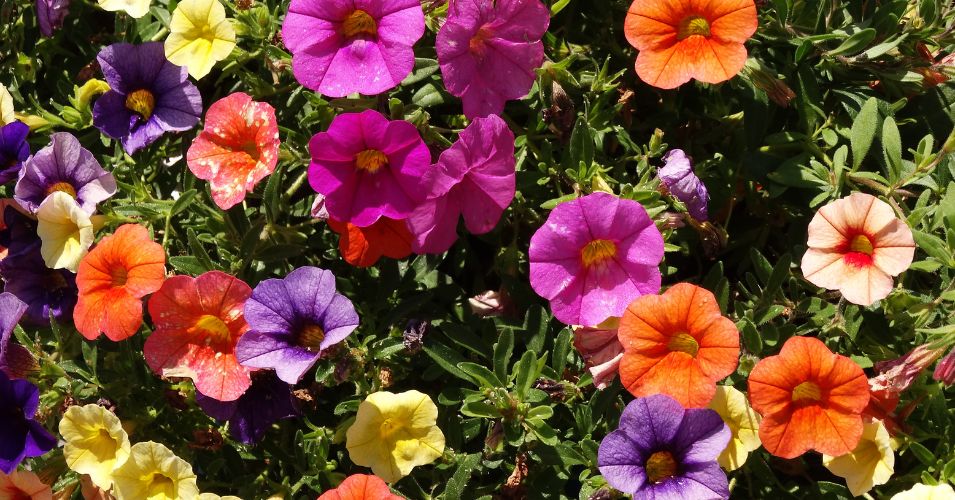
Petunias are one of the brightest stars of the summer garden, bursting with color and life when many other plants begin to struggle in the heat.
They may look delicate at first glance, but with the right care, petunias can thrive through long, hot days and reward you with nonstop blooms.
Learning how to care for them properly is the key to keeping them lush, full, and vibrant all season long.
Whether you grow them in hanging baskets, containers, or garden beds, a few smart habits can make all the difference in their health and beauty.
Where Petunias Thrive When Summer Heat Kicks In
Petunias may look soft and delicate, but they are surprisingly tough when placed in the right environment.
The biggest factor that decides how well they grow in summer is sunlight. These plants crave the sun, and not just a little bit.
They perform best when they receive at least six hours of direct sunlight each day, though more is often even better. A bright, open spot allows them to produce more blooms and keeps their growth compact rather than stretched and weak.
If petunias are placed in partial shade, they may still survive, but you will notice fewer flowers and thinner stems, which makes the plant look tired instead of vibrant.
Airflow is just as important as sunlight. Petunias do not enjoy being crowded or trapped in still, humid air.
When planted too close together or tucked into tight corners, moisture can linger on leaves, creating the perfect environment for disease. Giving each plant a bit of breathing room helps keep foliage dry and healthy while also encouraging stronger growth.
Soil conditions also play a quiet but important role in how well petunias handle summer heat. They prefer well-drained soil, since sitting in soggy ground can quickly lead to root problems.
If water collects around the roots, the plant may begin to weaken even if everything else seems right above the surface. Mixing in compost or using quality potting soil in containers can improve drainage and give petunias a stronger foundation.
Containers and hanging baskets offer flexibility, but they heat up faster than garden beds. This means the location you choose matters even more.
Placing containers where they get strong morning sun and a slight break from harsh afternoon heat can help balance growth and prevent stress, keeping your petunias bright and full even during the hottest part of summer.
How Much Water Is Too Much for Petunias
Watering petunias seems simple at first, but it is one of the most common areas where mistakes happen.
These plants like consistent moisture, yet they do not tolerate being soaked for long periods. Finding the right balance is what keeps them thriving instead of struggling.
A good rule to follow is to let the top layer of soil dry out slightly before watering again.
If the soil still feels damp to the touch, the plant likely does not need more water yet. Overwatering can suffocate the roots, cutting off the oxygen they need to function properly.
When that happens, petunias may begin to wilt even though the soil is wet, which can be confusing for beginners.
Underwatering, on the other hand, causes the plant to dry out and lose its vibrant look. Leaves may droop quickly, and blooms can fade faster than expected.
The goal is steady moisture, not extremes.
Deep watering is more effective than light, frequent watering. Giving the plant a thorough soak encourages roots to grow deeper into the soil, which helps it handle heat better.
Shallow watering keeps roots near the surface, making them more sensitive to drying out.
Timing also matters more than most people realize. Watering early in the morning gives petunias time to absorb moisture before the heat of the day sets in.
It also allows leaves to dry, reducing the risk of disease. Evening watering can work, but damp foliage overnight may invite problems in humid conditions.
Containers need extra attention because they dry out much faster than garden beds. On especially hot days, you may need to water them daily or even twice a day depending on how quickly the soil dries.
Checking the soil regularly is the best way to stay on track, since weather conditions can change quickly and affect how much water your petunias really need.
The Secret to Getting More Flowers All Season
If you want petunias that stay covered in blooms all summer, feeding them properly is one of the most important steps. These plants put a lot of energy into producing flowers, and without enough nutrients, they begin to slow down.
A steady supply of fertilizer helps them keep up with this demand. Instead of one heavy feeding, petunias respond better to smaller, regular doses. A balanced liquid fertilizer every one to two weeks can keep them growing strong while supporting continuous flower production.
The type of fertilizer you use also matters. A formula that supports blooming will encourage more flowers rather than just leafy growth. When nutrients are balanced correctly, the plant focuses its energy where you want it most: on bright, healthy blooms.
Deadheading is another simple habit that makes a noticeable difference. When old flowers are left on the plant, it begins to shift energy toward seed production. Removing spent blooms tells the plant to keep producing new ones instead. This small action, done regularly, can greatly extend the flowering period.
Light and warmth also play a role in how many flowers your petunias produce. Even with perfect feeding, a plant that does not get enough sun will not perform at its best. Strong sunlight works together with proper nutrition to keep blooming cycles active and consistent.
It also helps to keep an eye on the plant’s overall condition. Yellowing leaves or weak growth can be signs that something is off, whether it is nutrient, water, or light levels. Fixing small issues early allows the plant to return its energy to blooming rather than struggling to survive.
With the right mix of feeding, sunlight, and simple upkeep, petunias can stay full of color for months, creating a display that feels almost nonstop.
Why Cutting Back Your Petunias Makes Them Better
Cutting back petunias might feel like the wrong move at first, especially when the plant is already growing well. It can seem like you are removing healthy parts for no reason, but this step actually helps the plant become fuller and more productive over time.
As petunias grow, their stems can become long and stretched. This often leads to fewer flowers and a thinner appearance. By trimming back these longer stems, you encourage the plant to branch out and create new growth closer to the base.
This results in a plant that looks thicker and produces more blooms throughout its entire shape rather than just at the ends.
Pruning also helps refresh tired plants. After several weeks of blooming, petunias can begin to look worn out, with fewer flowers and more leggy stems. A light trim can reset their growth and bring back a stronger wave of blooms.
It does not have to be extreme. Even removing a few inches from selected stems can make a difference. The key is to cut just above a leaf node, where new growth can easily form.
Timing plays a role in how effective this is. Doing a small trim every couple of weeks keeps the plant in good shape without shocking it. If a plant becomes very overgrown, a slightly heavier cutback can help it recover, though it may take a short time to bounce back.
Regular trimming also improves airflow through the plant, which helps reduce the risk of disease in warm, humid conditions.
In the end, cutting back petunias is less about removing growth and more about guiding it. With a little attention and the right timing, this simple habit can turn a struggling plant into one that looks full, balanced, and covered in flowers again.
Keeping Your Plants Safe During Extreme Heat and Pests
Summer brings bright sunshine, but it can also push petunias to their limits when temperatures climb too high.
During intense heat, these plants can become stressed, even if they are normally easy to care for.
One of the first signs of heat stress is wilting during the hottest part of the day. This does not always mean the plant needs more water right away, since petunias often recover in the evening. Still, consistent moisture is important to help them cope.
Providing a bit of afternoon shade can make a big difference in very hot conditions. A light break from direct sun during peak hours helps prevent fading blooms and scorched leaves.
Mulching the soil is another simple way to protect petunias from extreme temperatures. A thin layer of mulch helps keep the soil cooler and slows the rate at which moisture evaporates. This creates a more stable environment for the roots, which is where heat stress often begins.
Containers need even more attention during heat waves. Because they dry out quickly, the roots inside can overheat faster than those in the ground. Moving pots to a slightly shaded spot during the hottest part of the day can help prevent damage.
Pests also become more active in warm weather, and petunias can sometimes attract unwanted visitors. Aphids, spider mites, and whiteflies are among the most common problems. These tiny insects feed on plant sap, which can weaken the plant and reduce blooming.
Regularly checking the leaves, especially the undersides, helps catch these issues early. If pests are spotted, a gentle spray of water or an insecticidal soap can often control them before they spread. Keeping plants healthy through proper watering and feeding also makes them less likely to suffer serious damage.
By staying aware of both heat and pest activity, you can step in early and prevent small problems from becoming major setbacks, allowing your petunias to stay strong and colorful even during the toughest part of summer.
Final Thoughts
Caring for petunias in summer does not have to be complicated, but it does require attention to a few key habits.
With the right balance of sunlight, water, feeding, and occasional pruning, these plants can reward you with vibrant blooms for months.
By making small adjustments as conditions change, you can keep your petunias looking fresh, full, and full of life all season long.