
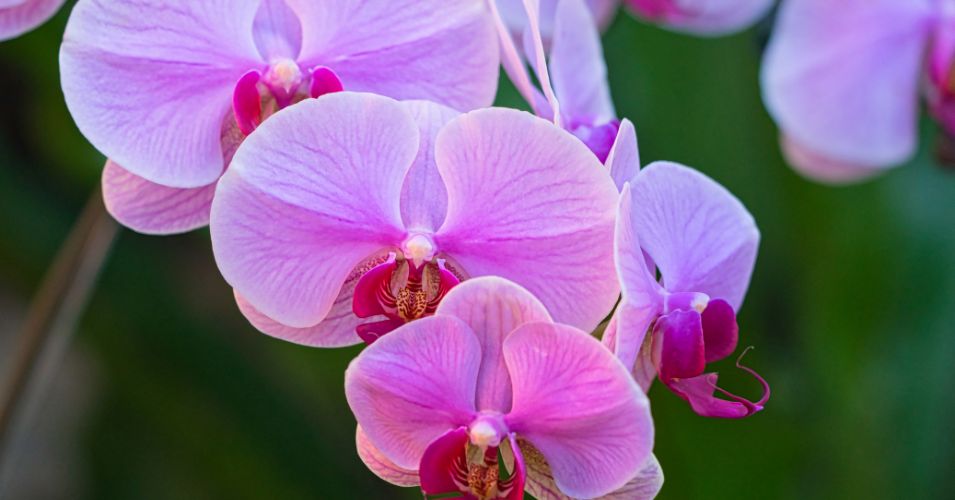
Orchids are unlike most houseplants, which is why they often leave growers wondering what they actually need to stay healthy. While light and watering usually get the most attention, feeding your orchid the right way can make just as much difference.
Natural fertilizers have become a popular choice because they provide gentle nutrition without relying entirely on synthetic products. From simple homemade fertilizer recipes to natural plant-based options, there are plenty of ways to support healthy roots and encourage beautiful blooms.
The key is knowing what works, what to avoid, and how to feed your orchid without overdoing it.
Understanding What Orchids Need to Grow Well
Growing healthy orchids starts with understanding how these plants live in nature. Unlike flowers that grow in garden soil, many orchids spend their lives attached to tree branches, where their roots are exposed to the air instead of buried in the ground.
They collect moisture from rainfall and humidity while taking in small amounts of nutrients from decaying organic matter. Because of this, orchids have very different feeding habits than most houseplants.
That natural lifestyle explains why orchids do not need heavy fertilizing. They are used to receiving nutrients little by little, so they respond much better to regular light feeding than occasional large doses.
Giving them too much fertilizer can do more harm than good, especially if it leads to salt buildup around the roots. Healthy orchids are usually the result of consistency rather than excess.
Nutrition is only one piece of the puzzle. An orchid also needs the right amount of light, proper watering, good airflow, and suitable humidity to grow well. If any of these conditions are lacking, the plant may struggle even if it is receiving plenty of nutrients. Fertilizer supports healthy growth, but it cannot make up for poor growing conditions.
Different nutrients also serve different purposes throughout the plant’s life. Nitrogen encourages fresh leaf growth and helps keep foliage green. Phosphorus supports root development and plays an important role in flower production.
Potassium strengthens the plant and helps it cope with stress caused by changes in temperature or watering. Smaller amounts of minerals such as magnesium and calcium also contribute to steady, balanced growth.
The easiest way to judge whether your orchid is getting what it needs is to watch how it grows. Firm green leaves, healthy roots, and regular flowering are all signs that conditions are working in the plant’s favor.
If leaves begin turning yellow or growth slows, it is worth looking at the entire care routine before assuming the fertilizer is to blame. Once you understand what orchids naturally need, choosing the right fertilizer becomes much simpler.
The Best Natural Fertilizers for Healthy Orchid Growth
Natural fertilizers have become a popular choice for orchid growers because they gently provide nutrients.
Instead of delivering everything at once, many natural options release nutrients gradually, making it easier to feed orchids without overwhelming their sensitive roots. When used correctly, they can support healthy leaves, strong roots, and reliable flowering throughout the growing season.
Homemade fertilizer is often the first option people try because it is inexpensive and easy to prepare.
Rice water is one of the simplest examples. After rinsing or cooking plain rice without salt, the cooled water contains small amounts of nutrients that can be used to feed orchids occasionally.
Potato water can also be reused after boiling potatoes, provided it contains no butter, salt, or seasoning. While neither option is a complete fertilizer, both can provide a gentle nutritional boost when used every few weeks.
Banana peel tea is another homemade fertilizer that many orchid owners like to use. By soaking banana peels in water for a day or two, you create a mild solution that contains potassium, which supports healthy flowering.
The liquid can be strained before use, but the peels themselves should never be left in the pot because they break down quickly and may attract insects or encourage mold.
Several natural fertilizers can be purchased ready to use. Fish emulsion provides a good source of nitrogen for leafy growth, while seaweed extract contains trace minerals that support overall plant health.
Worm castings are another excellent option because they release nutrients slowly and improve the growing medium without being too strong for orchid roots.
Even with natural products, more is not always better. Orchids do not need large amounts of fertilizer. A light application every few weeks during active growth is usually enough to keep the plant healthy. Feeding less often during cooler months also helps prevent nutrient buildup.
No single natural fertilizer is perfect for every orchid. The best results usually come from combining good growing conditions with gentle, consistent feeding. Whether you choose a homemade fertilizer or a natural commercial product, providing nutrients in moderation will help your orchid stay healthy and reward you with stronger growth and longer-lasting blooms.
How to Apply Natural Fertilizers the Right Way
Natural fertilizers work best when they become part of your regular orchid care routine instead of an occasional treatment. Orchids are light feeders by nature, so they rarely benefit from heavy applications. A small amount given consistently is far more effective than feeding large amounts every few months.
Timing also matters. Most orchids need extra nutrients while they are producing new leaves, roots, or flower spikes. During these active growing periods, the plant can make good use of the additional nutrition.
Once growth slows after blooming, feeding can also be reduced. Many orchids naturally enter quieter periods when they require much less fertilizer.
It is also worth paying attention to the roots before you fertilize. If the potting mix is completely dry, water the orchid first and let the roots absorb some moisture. Applying fertilizer to dry roots can place unnecessary stress on the plant, even if you are using gentle natural products.
Homemade fertilizers should always be used in moderation. Rice water, potato water, and banana peel tea can all provide useful nutrients, but they are intended to supplement your care routine rather than replace it.
Fresh mixtures are always the safest choice because homemade fertilizers can spoil if they are stored for too long. If a solution develops an unpleasant smell, it is better to throw it away and make a fresh batch.
Every few weeks, it is a good idea to flush the pot with plain water. This simple step removes leftover minerals that collect in the growing medium over time. Although natural fertilizers leave behind fewer salts than many synthetic products, residue can still build up after repeated applications.
Your orchid will usually tell you whether your routine is working. Healthy roots with bright green tips, firm leaves, and steady new growth are all positive signs. If growth slows or the roots begin to look unhealthy, take a look at your watering, lighting, and fertilizer schedule together.
In many cases, making one small adjustment is all it takes to get your orchid growing happily again.
Natural Fertilizer vs. Synthetic Fertilizer for Orchids
There is no shortage of opinions when it comes to orchid fertilizer. Some growers swear by homemade and natural products, while others would never give up their balanced synthetic fertilizers. The truth is that both approaches can work well. The better option depends on how you care for your orchids and what you want from your feeding routine.
Natural fertilizers are often chosen because they release nutrients gradually. This slower approach is closer to the conditions orchids experience in the wild, where nutrients arrive a little at a time from rain, decaying plant material, and the surrounding environment.
Products such as seaweed extract, fish emulsion, and worm castings fit naturally into this style of care. Homemade fertilizer made from rice water or banana peel tea is another popular choice for gardeners who prefer simple, low-cost solutions.
Synthetic fertilizers take a different approach. They contain carefully balanced amounts of nutrients, making it easier to provide orchids with exactly what they need. This can be especially useful for growers who want consistent results or care for several orchids at once.
Because the nutrients are immediately available, plants can respond quickly when they are actively growing.
That same strength is also the biggest drawback. Using too much synthetic fertilizer can damage delicate orchid roots or leave mineral deposits in the potting mix. Following the recommended dosage is important, and many experienced growers dilute commercial fertilizers even further to reduce the risk of overfeeding.
Natural fertilizers are generally less likely to cause those problems, although they are not perfect either. Homemade fertilizers vary from one batch to another, and most do not provide every nutrient an orchid needs on their own. They work best as part of a well-rounded care routine rather than as a complete replacement for balanced plant nutrition.
Whether you choose natural or synthetic fertilizer, healthy orchids depend on much more than feeding alone. Good light, careful watering, fresh potting media, and proper airflow all play a role. Fertilizer supports healthy growth, but it works best when the rest of the plant’s needs are already being met.
Common Fertilizing Mistakes That Stop Orchids from Thriving
When an orchid starts looking unhealthy, fertilizer is often the first thing people change. In reality, the problem is usually how the fertilizer is being used rather than the product itself. A few small mistakes can prevent an otherwise healthy orchid from growing well.
Overfeeding is by far the most common issue. Many beginners assume that feeding more often will produce bigger leaves and more flowers, but orchids do not grow that way.
Their roots are adapted to small amounts of nutrients over time, so heavy feeding can quickly do more harm than good. Instead of encouraging growth, excess fertilizer may weaken the roots and make it harder for the plant to absorb water.
Another mistake is expecting homemade fertilizer to do everything. Rice water, potato water, and banana peel tea all have their place, but none of them provide a complete nutrient profile. They work best as occasional additions to a balanced care routine rather than the only source of nutrition throughout the year.
It is also easy to overlook the condition of the potting mix. Fresh bark drains well and allows plenty of air around the roots, but it slowly breaks down as it ages. Once that happens, water stays in the pot for longer, creating conditions that healthy orchid roots dislike.
Adding more fertilizer will not solve that problem. Repotting into fresh growing media is often the better solution.
Many growers forget that even natural fertilizers leave something behind. Over time, minerals can collect around the roots and reduce the plant’s ability to take up moisture. Flushing the pot with clean water every few weeks is a simple habit that helps prevent this from becoming an issue.
Perhaps the biggest mistake is changing routines too quickly. Orchids are not fast-growing plants, so they need time to respond to any adjustment in care. Switching between different fertilizers every few weeks rarely produces better results.
A steady routine, combined with regular observation, is much more likely to reward you with healthy roots, fresh leaves, and reliable blooms.
Final Thoughts
Finding the best natural fertilizer for orchids is not about discovering one perfect product. It is about choosing a gentle source of nutrients and using it consistently.
Homemade fertilizer can be a useful addition to your routine, while natural products like seaweed extract, fish emulsion, and worm castings offer another reliable way to support healthy growth.
Just remember that orchids have never been heavy feeders. They thrive when every part of their care works together, from watering and lighting to the condition of the potting mix.
Feed lightly, pay attention to how your orchid responds, and avoid the temptation to rush the process. Healthy orchids are built through steady care, and that patience is often rewarded with stronger plants and beautiful blooms that return year after year.