
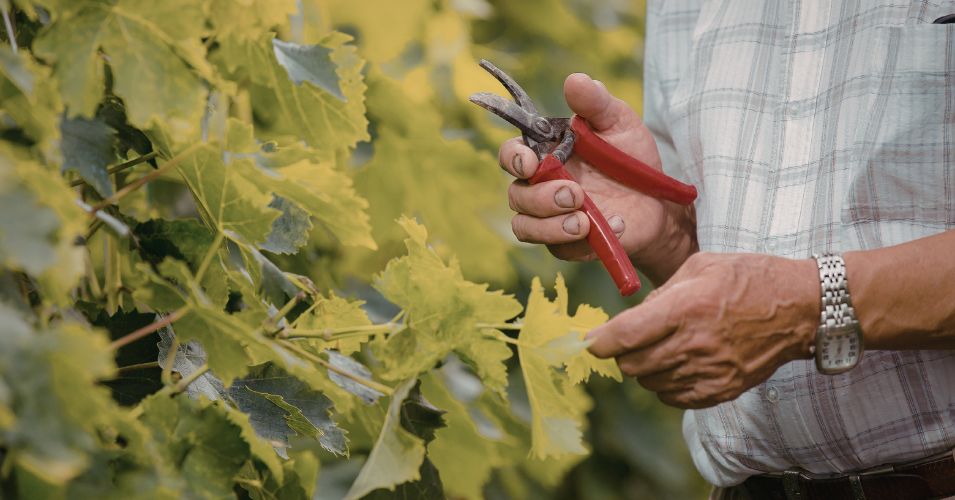
Spring is a season of fresh starts, brighter days, and new growth in the garden. After months of cold, quiet weather, your plants are ready to wake up and stretch toward the sun.
But before they can truly shine, some of them need a little help from you. That help often comes in the form of careful cutting back.
Cutting back the right plants at the right time can improve their health, boost blooming, and keep your garden looking neat.
In this article, you will learn which plants benefit most from cutting back in spring and how to approach the task with confidence.
Why Cutting Back in Spring Helps Your Garden Thrive
Cutting back in spring is more than just a clean-up task. It is a way of guiding your plants toward healthier growth and stronger performance throughout the year.
After winter, many plants carry dead stems, broken branches, and damaged leaves. These leftovers can block sunlight and air from reaching new growth. When you remove them, you give fresh shoots room to breathe and expand.
Good airflow is essential in early spring. Moist soil and cool temperatures can encourage mold and disease. Cutting back opens up crowded areas so air can move freely and dry out excess moisture.
Light is another significant benefit. Sunlight fuels photosynthesis, which helps plants make the energy they need to grow. By trimming away old growth, you allow sunlight to reach young leaves that are just beginning to form.
Cutting plants back in spring also helps shape their growth. Without guidance, some plants grow unevenly or become tangled. A few careful cuts can guide branches in the right direction and create a balanced, attractive form.
This early attention can prevent problems later. Plants that are crowded or weak in spring are more likely to struggle in summer. By helping them now, you reduce stress during hot and dry months.
Cutting plants back also sends a signal to many plants. When you remove old stems, the plant responds by producing new ones. This often leads to fuller growth and more flowers.
Many gardeners find that cutting plants back in spring builds confidence. Once you see how well your plants respond, the process feels less intimidating and more rewarding.
It also creates a stronger connection to your garden. Taking time to inspect each plant helps you notice small changes and early signs of trouble.
In the end, cutting plants back in spring is about partnership. You support your plants, and they reward you with healthier growth, brighter blooms, and a more beautiful garden.
Perennials That Wake Up Stronger After a Trim
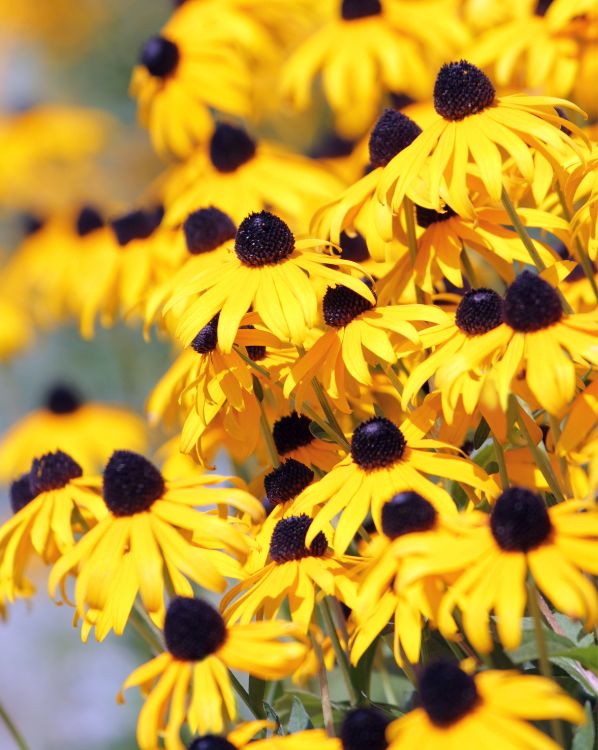
Perennials are reliable garden companions. They return each year, often stronger and more beautiful than before. Cutting them back in spring helps them begin the season with energy and balance.
After winter, many perennials are covered in dry stems and faded leaves. These leftovers can block sunlight and slow new growth. Removing them gives fresh shoots room to rise.
Coneflowers are a great example. Cutting back their old flower stalks in early spring encourages sturdy stems and larger blooms later in summer.
Black-eyed Susans also benefit from a clean start. Trimming away dead growth helps prevent disease and supports fuller flowering.
Coreopsis responds well to early cutting back. Removing last year’s stems allows the plant to focus on producing bright, cheerful flowers.
Daylilies should be trimmed when new green shoots appear at the base. Clearing away brown leaves keeps the plant tidy and improves airflow.
Hostas are another popular perennial that enjoys spring cleanup. Removing old leaves helps protect tender new growth from pests and mold.
Sedum, especially tall varieties like Autumn Joy, benefits from cutting back old stalks. This encourages compact growth and prevents flopping later in the season.
Russian sage should be cut back close to the ground in spring. This promotes strong branching and more colorful blooms.
Shasta daisies respond well to early trimming. Removing dead stems helps them bloom longer and look neater.
Timing is important. Wait until you see signs of life at the base of the plant before cutting. This ensures you do not damage healthy growth.
Use sharp, clean pruners for smooth cuts. Rough cuts can invite disease and slow healing.
Do not worry about cutting too much. Many perennials are tough and bounce back quickly after being cut back.
After trimming, adding compost or mulch helps protect roots and provide nutrients. Watering lightly also supports early growth.
Over time, you will notice how each plant responds. Some grow taller, others become bushier, and many bloom more heavily.
By giving perennials a thoughtful spring trim, you help them wake up refreshed, resilient, and ready to fill your garden with color and life.
Shrubs That Benefit From Early Season Shaping
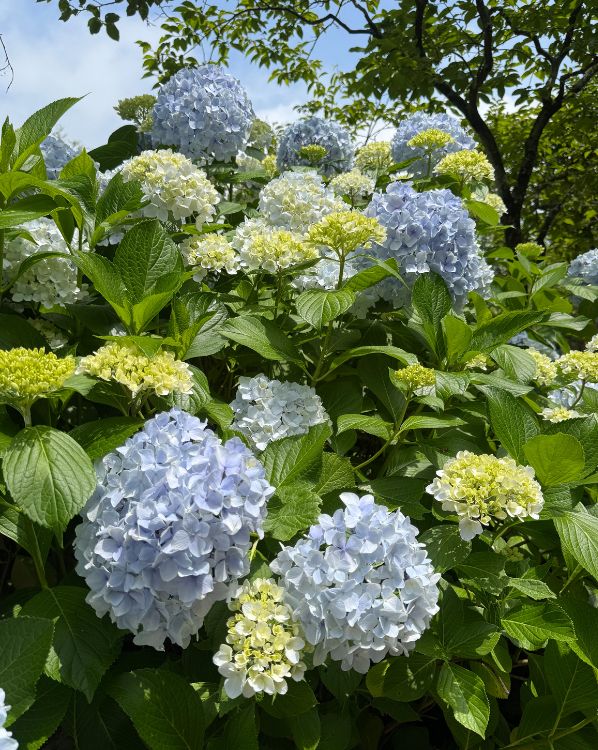
Shrubs give gardens structure and personality. They form natural borders, fill empty spaces, and often provide colorful blooms. Spring shaping helps them stay healthy and attractive for the rest of the year.
After winter, many shrubs look tired. Broken branches, weak tips, and tangled stems are common. Removing this damage early helps the plant focus on strong new growth.
Butterfly bush is one of the best examples. Cutting it back hard in spring encourages long, flower-filled branches in summer. Without cutting back, it often becomes tall and messy.
Spirea also responds well to early trimming. A light haircut removes old stems, helping the shrub produce new leaves and bright clusters of flowers.
Potentilla is another good candidate. It can become woody over time, but cutting it back in spring keeps it compact and full of blooms.
Roses, especially hybrid teas and floribundas, benefit from careful spring shaping. Removing weak canes and cutting back strong ones improves air circulation and flower production.
Hydrangeas that bloom on new wood, such as panicle and smooth types, also benefit from being cut back in spring. Cutting them back helps create stronger stems and larger flower heads.
Boxwood and privet shrubs can be lightly shaped in spring to maintain neat borders and hedges. Early trimming prevents uneven growth later in the season.
Before cutting, take time to study each shrub. Look for healthy buds and strong branches. Make cuts just above outward-facing buds when possible.
Always use clean, sharp tools. This reduces damage and helps wounds heal quickly.
Avoid cutting too much at once. Removing about one-third of the plant is usually safe for most shrubs.
With steady practice, spring shaping becomes easier each year. Your shrubs will reward you with better structure, richer color, and longer-lasting beauty.
Ornamental Grasses and Their Spring Makeover
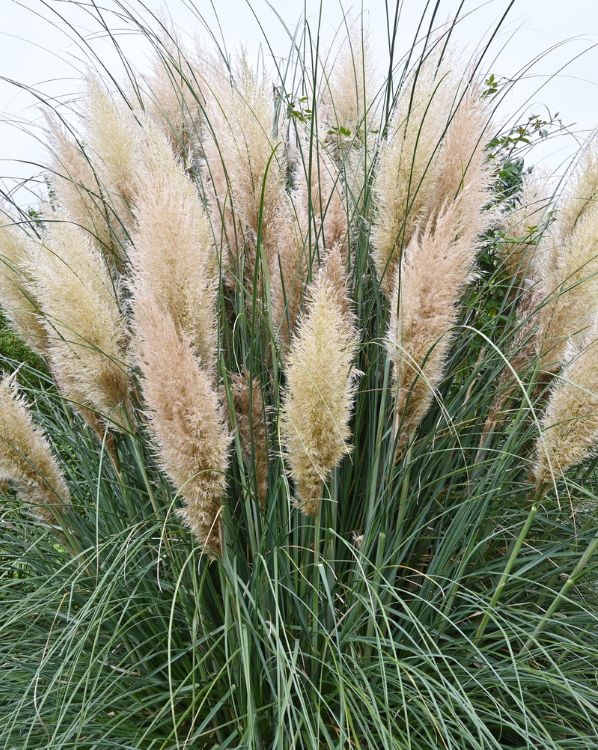
Ornamental grasses bring life and motion to the garden. They sway in the wind, adding soft texture to flower beds and walkways. In spring, they need a fresh start to look their best.
During winter, grasses like maiden grass and switchgrass turn brown and dry. These old blades protect the plant from cold, but they must be removed before new growth begins.
Feather reed grass is one of the earliest to wake up. It should be trimmed in late winter or very early spring before green shoots appear.
Fountain grass benefits from a substantial cutback as well. Trimming it to a few inches above the ground helps create a full, rounded shape later in the season.
Blue fescue and other small grasses need gentler care. A light trim with scissors is often enough to remove dead tips without harming new growth.
Pampas grass requires extra caution. Its sharp leaves can easily cut skin, so thick gloves and long sleeves are essential when cutting back.
Tying large grasses into bundles before cutting makes cleanup easier. This keeps loose blades from spreading across the garden.
Most grasses should be cut to about four to six inches high. This protects the crown while encouraging even regrowth.
Warm-season grasses like switchgrass and big bluestem grow later in spring. Cutting them early helps sunlight reach the base.
Cool-season grasses like tufted hairgrass grow earlier and may need trimming earlier in the year.
After cutting back, water the plants well. Adding compost around the base supports healthy roots and fresh leaves.
Within a few weeks, bright green blades will replace the old brown ones. This quick change is one of the joys of spring gardening.
With a simple makeover, ornamental grasses return stronger and neater, ready to bring movement and beauty to your landscape.
Common Cutting Back Mistakes to Avoid in Spring
Cutting plants back in spring can significantly improve your garden, but small mistakes can limit its benefits. Knowing what to avoid is just as important as knowing what to cut.
One common mistake is cutting plants back too early. Cutting plants before they show signs of new growth can damage tender buds and slow recovery. It is better to wait until you see green shoots at the base or along stems.
Another problem is cutting too much at once. Removing more than one-third of a plant can cause stress. Cutting back too much weakens roots and makes plants more vulnerable.
Using dull or dirty tools is also risky. Blunt blades crush stems instead of slicing them cleanly. Dirty tools can spread infections from one plant to another.
Many gardeners forget to learn how each plant grows. Some plants bloom on old wood, while others bloom on new growth. Cutting plants back at the wrong time can reduce flowering for an entire season.
Ignoring damaged or diseased branches is another mistake. Leaving them in place allows problems to spread. These parts should always be removed first.
Cutting in the wrong place can also harm plants. Cuts made too far from a bud leave dead stubs. Cuts made too close to the growing points can damage them. Aim for a slight angle just above a healthy bud.
Cutting plants back without a plan often leads to uneven shapes. Random cutting can leave shrubs and perennials looking awkward. Take time to step back and study the plant before starting.
Some gardeners rush through pruning to finish quickly. This often results in poor cuts and missed problem areas. Slow, careful work produces better results.
Forgetting aftercare is another issue. After cutting back, plants need water and sometimes nutrients. Without support, recovery may be slow.
The weather is also important. Cutting plants back during very wet or freezing conditions can harm plants.
Finally, fear can be a mistake too. Being too gentle may leave too much dead material behind. Most plants are more vigorous than they look and can handle proper pruning.
By avoiding these common errors, you give your garden a better chance to grow healthy, balanced, and beautiful throughout the season.
Final Thoughts
Cutting back plants in spring is one of the most valuable habits a gardener can develop. It clears away the past and makes room for fresh, healthy growth.
With simple tools, patience, and basic knowledge, anyone can learn to cut plants back with confidence. Each season offers new opportunities to improve and better understand your plants.
By caring for your garden in spring, you set the stage for months of color, strength, and enjoyment. A few thoughtful cuts today can lead to a more beautiful landscape tomorrow.