
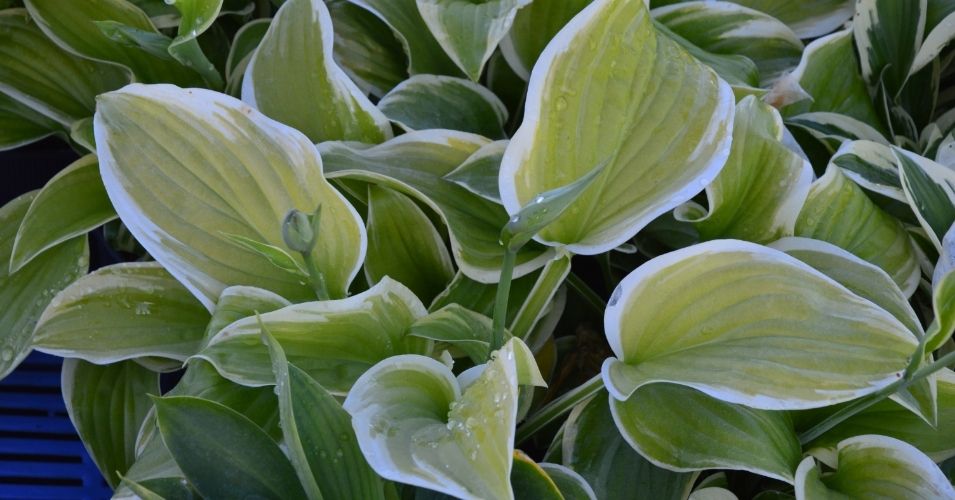
Hostas are some of the easiest and most rewarding perennials to grow, thriving in shady spots where many plants refuse to bloom.
As winter approaches, these hardy plants retreat underground, leaving only bare soil behind. It may look like they’ve disappeared, but they’re simply resting and storing energy for the season ahead.
To help them survive the cold and return with lush growth in spring, a few simple winter care steps make all the difference. With a bit of cleanup, proper mulching, and the right protection, your hostas will stay healthy no matter how harsh the winter becomes.
How to Get Your Hostas Ready for the Cold Season
As the air cools and the days shorten, your hostas begin to wind down after their long growing season. Preparing them properly before winter helps them store energy and survive the cold months underground.
It doesn’t take much effort, but timing and gentle attention make all the difference between a plant that thrives in spring and one that struggles to return.
The first step is to let the plants follow their natural rhythm. As autumn deepens, hosta leaves will turn yellow, then brown, before collapsing. This is not a sign of decline but a normal process.
During this stage, the plant is pulling nutrients from the fading leaves into its crown and roots for storage. Allowing this process to finish strengthens the plant before dormancy. Avoid cutting back too early, as removing foliage prematurely can weaken its energy reserves.
Once the foliage has fully wilted, it’s time to give the plants a little help. Provide a deep watering in late fall, especially if your area hasn’t had much rain. Moist soil retains heat better than dry soil, helping to protect roots during early frosts. Be careful not to overwater. Hostas prefer moist, not soggy, conditions. Good drainage is essential to avoid rot through winter.
After watering, remove weeds, fallen leaves, and debris from around the base of your hostas. This cleanup prevents slugs, fungi, and other pests from overwintering in the garden bed. It also improves air circulation and prepares the soil for mulching later on.
Check the soil while you’re at it. Loosen compacted spots gently with your fingers or a hand fork to promote airflow and prevent waterlogging. If your soil is sandy or thin, you can add a layer of compost or organic matter to improve the texture and gradually feed the roots over winter.
For gardeners in colder regions, labeling each hosta is a simple but smart step. Once the leaves have vanished and snow covers the ground, it’s easy to forget where each plant sits, especially if you grow several varieties. Small tags or stakes make spring identification easier and prevent accidental digging when the ground thaws.
By taking these easy steps, you’re setting your hostas up for a successful winter rest. They’ll have the strength and protection they need to sleep soundly beneath the soil and reemerge full of life when the warmth of spring returns.
Clearing and Cutting Back Before the Freeze
Once the leaves have wilted and the first frosts touch your garden, it’s time to clear and cut back your hostas. This stage marks the final step in preparing your plants for dormancy. Clearing at the right time helps protect the crowns from disease and pests while keeping the garden tidy and ready for the cold ahead.
Start by examining your plants closely. If the leaves are still mostly green and upright, hold off a bit longer. Cutting too early interrupts the plant’s natural energy transfer to the roots. Wait until the foliage is brown, soft, and drooping. This is clear evidence that dormancy has begun.
Use sharp, clean garden shears or scissors to trim each clump down to about two inches above the ground. This small amount of stem protects the crown from freezing while removing dead tissue that could harbor mold. Be sure to sterilize your tools before and after trimming with rubbing alcohol or a diluted bleach solution to prevent the spread of disease between plants.
When cutting, make your snips at a slight angle instead of straight across. Angled cuts allow water to run off rather than pool, helping prevent rot. Take your time to make neat, even cuts for a clean and healthy finish.
Once trimming is done, clear away all the dead leaves and stems. Avoid leaving them on the ground, as they can attract pests like slugs and harbor fungal spores. If the leaves show no signs of disease, you can compost them; otherwise, dispose of them in the trash to avoid contamination.
Inspect each crown as you work. Healthy crowns will feel firm and solid. If you find soft or mushy areas, remove them gently to stop any rot from spreading. Smoothing the soil afterward creates a tidy surface that’s ready for winter mulching.
Clearing and cutting back your hostas before the freeze might seem like a simple task, but it’s essential for their survival. It keeps diseases at bay, discourages pests, and ensures that your plants rest peacefully during their dormant season. By the time spring rolls around, your hostas will reward you with fresh, vigorous growth and the lush foliage that makes them garden favorites year after year.
Insulate Your Hostas with the Right Mulch Layer
Mulching is one of the most critical steps in protecting hostas through winter. It works like a soft blanket, keeping the soil around the roots and crowns warm, stable, and shielded from the constant freezing and thawing that can damage them.
Appropriately done, mulching prevents frost from reaching the roots while also feeding the soil for the growing season ahead.
Once your hostas have been cut back and the area around them cleared, wait for the right moment before applying mulch. You don’t want to rush it. Begin when the ground feels cool to the touch but hasn’t frozen completely, usually after a few light frosts. Mulching too early can trap heat and moisture, which might keep your hostas active rather than induce dormancy.
Choosing the right mulch material makes all the difference. Organic options like shredded leaves, straw, pine needles, or finely ground bark are perfect. They allow air and moisture to move through easily, preventing rot while enriching the soil as they decompose. Avoid dense mulches, such as wood chips or wet leaves, which can mat together and suffocate the crown.
Spread your mulch evenly around each hosta in a broad circle, about 3 to 4 inches deep. Always leave a small gap around the crown to prevent moisture buildup. Think of your mulch as a ring around the plant rather than a pile over the top. In colder regions, apply mulch in two layers. First, a thin base, then another couple of inches when freezing weather becomes consistent.
If you garden in a windy area, secure the mulch with a light mesh or short garden stakes. This prevents gusts from scattering it during storms.
As spring approaches, gradually pull the mulch back to let the soil warm and breathe. A well-laid mulch bed keeps your hostas protected through winter and ready to awaken lush, green, and healthy when warmer weather returns.
Extra Protection from Harsh Winter Conditions
Mulch does much of the heavy lifting during winter, but in areas where cold weather turns fierce, hostas may need an extra layer of protection. Freezing winds, ice, and heavy snow can test even the hardiest plants. Thankfully, a few simple steps can make a big difference.
Start by building a barrier around your hostas if you live in a region with long, severe winters. A circle of chicken wire, flexible fencing, or wooden stakes works perfectly.
Once the frame is set up, fill it loosely with dry leaves, straw, or pine needles. This layer traps air and warmth, creating an insulated pocket that shields the crowns from freezing gusts. The air between the materials acts as a buffer, softening the effects of deep cold.
Frost heaving is another challenge to watch for. It occurs when repeated freeze-thaw cycles push roots upward. Keeping soil temperatures consistent is the best prevention. Make sure your mulch layer stays thick and evenly spread through the winter. After big storms, check for areas where mulch has blown away or flattened and fluff it back into place.
Snow can also be a valuable ally. A steady layer of snow works as natural insulation, locking warmth in the soil beneath. Don’t brush it away unless it becomes heavy or crusted with ice. In that case, remove just enough to relieve pressure on the crowns and mulch below.
Wind is another winter threat, especially in open spaces. To reduce its drying effect, install a simple windbreak of burlap stretched between two stakes on the windy side of your garden. This small barrier helps hold warmth and moisture near the soil where your hostas need it most.
Finally, avoid walking directly on your hosta beds during winter. Frozen soil is brittle, and compacting it can crush roots or damage crowns. Keep your paths clear and admire your resting plants from the edges.
These small measures create a microclimate of safety for your hostas. With the proper protection, they’ll emerge in spring as if winter never touched them, full of life and ready to unfurl their lush leaves once again.
How to Overwinter Hostas in Containers or Pots
Hostas grown in containers bring a touch of green elegance to patios, porches, and shaded corners, but they need special attention once winter arrives.
Unlike hostas planted in the ground, potted ones have roots that sit above the earth’s natural insulation, leaving them more exposed to the cold. Without protection, the soil inside the pots can freeze solid, damaging the roots and crowns.
With a few careful steps, though, you can keep your container hostas safe and ready to thrive when spring returns.
The first decision is whether to keep the pots outside or move them to a sheltered spot. In regions with mild winters, outdoor overwintering works fine as long as you insulate them properly. But in areas where temperatures drop below freezing for long periods, it’s better to move them into an unheated garage, shed, or basement where they can stay cold but not frozen.
If you’re keeping your pots outdoors, choose a protected location such as near a building wall, beneath a deck, or beside a fence. These spots stay a few degrees warmer and block harsh winds.
Group your pots close together so they can help shield each other from the cold. Then, pile mulch, straw, or leaves around and between the containers to add insulation. Wrapping the pots themselves in burlap or bubble wrap can also help trap warmth and prevent the sides from freezing too quickly.
Another excellent option is to sink the entire pot into the ground. Dig a hole large enough for the container, place it in so the rim is level with the soil surface, and then mulch over the top. This gives your hosta the same protection as if it were planted directly in the earth, while still keeping it in its pot for easy relocation in spring.
If you move your pots indoors, pick a cool, dark place that stays between 35 and 45 degrees Fahrenheit. The goal is to keep the hosta dormant, not active. Check the soil every few weeks and water sparingly. Just enough to keep it slightly moist but never soggy.
Avoid bringing hostas into heated living spaces. Warm air will wake them too early, leading to weak, pale growth that won’t survive outdoors later.
When spring starts to warm the air, gradually reintroduce your containers to the outside world. Place them in a shady spot for a few days, then move them into brighter areas as temperatures stabilize. This slow adjustment prevents shock and helps the plant ease back into active growth.
With these steps, overwintering potted hostas becomes reliable and straightforward. Your plants will rest quietly through the cold months and reward you with lush, healthy leaves once the growing season returns.
Final Thoughts
Winter care for hostas is mostly about helping them rest peacefully until spring. These hardy plants can handle cold weather, but a little attention makes them even stronger when the growing season returns.
By cleaning up the beds, adding a protective layer of mulch, and shielding them from wind and frost, you’re giving them exactly what they need to survive.
Whether in the ground or in pots, hostas respond well to thoughtful winter care, rewarding your effort with fresh green leaves and renewed growth when the world begins to thaw again.