
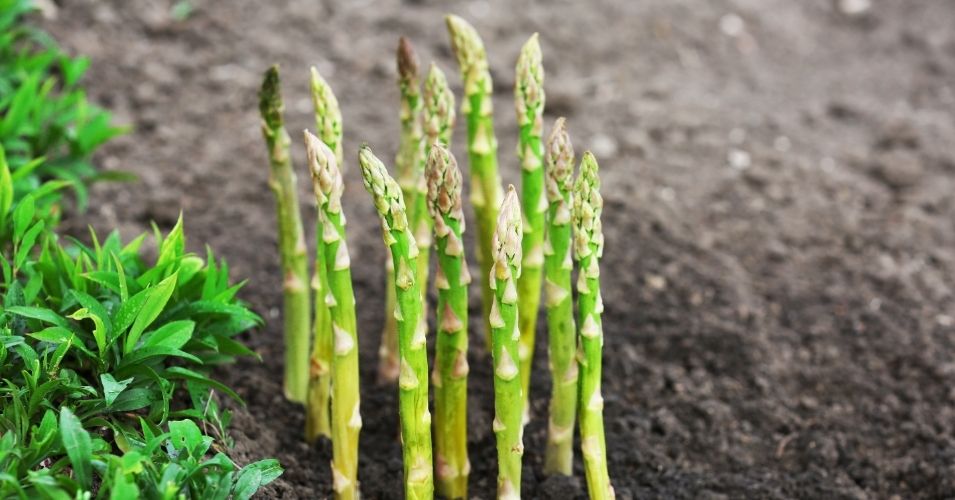
Asparagus is one of those plants that rewards patience with years of fresh, tender harvests.
When summer arrives, however, this hardy perennial needs a bit of extra attention to stay strong and productive.
Heat, fast growth, and changing soil conditions can all affect how well your asparagus thrives.
This guide will walk you through simple, effective ways to care for asparagus during the warmer months so you can enjoy a thriving garden and better harvests in the future.
When to Stop Harvesting and Let Plants Recover
It can be tempting to keep picking asparagus spears for as long as they appear. Fresh shoots popping up feel like a reward you do not want to miss.
However, summer marks a turning point for the plant, and understanding this shift is key to long-term success.
Asparagus needs time to rebuild its energy after the harvest season. Each spear you pick is a young shoot that would have grown into a tall, feathery fern. These ferns are not just for looks. They play a vital role in capturing sunlight and turning it into stored energy within the roots.
Once harvesting continues too far into the warm season, the plant begins to lose strength. Spears may grow thinner. Growth may slow. Over time, this can reduce the size and quality of future harvests.
A good rule is to stop harvesting when spears become thinner than a pencil. This is a clear signal that the plant is ready to shift into recovery mode. In many regions, this happens in late spring or very early summer.
After harvesting stops, allow every new spear to grow freely. Soon, your asparagus bed will transform into a patch of soft, green ferns that sway gently in the breeze.
This stage may look less tidy, but it is one of the most important phases of the plant’s life cycle. The more healthy foliage you allow to grow, the more energy is stored underground for next year.
Think of it as an investment. By stepping back now, you are setting up a stronger, more productive harvest for the next season.
Keep Your Asparagus Hydrated in Hot Weather
Summer heat can be tough on any garden, and asparagus is no exception. While it is a hardy plant, it still depends on consistent moisture to stay healthy during long, warm days.
Water plays a major role in keeping the roots active and supporting the tall fern growth that develops after harvest season ends.
When the soil dries out too much, the plant can become stressed. Ferns may turn yellow or appear weak. Growth can slow, and the plant may struggle to store enough energy for the future.
To avoid this, aim to keep the soil evenly moist rather than letting it swing between dry and soaked. Deep watering is far more effective than light, frequent sprinkling.
A thorough soak encourages roots to grow deeper into the soil, where moisture lasts longer. This helps the plant become more resilient during periods of heat.
Early morning is the best time to water. The soil absorbs moisture before the sun becomes too intense, and less water is lost to evaporation.
Adding a layer of mulch around your asparagus plants can make a big difference. Organic materials like straw, grass clippings, or shredded leaves help lock in moisture and keep the soil cooler.
Mulch also reduces weed growth, which means less competition for water.
Pay attention to the weather and adjust your watering routine as needed. During very hot or dry spells, your plants may need extra care. After rainfall, you can ease back and let nature do the work.
With steady moisture and a bit of attention, your asparagus will stay lush and strong through the summer, building the reserves it needs for the seasons ahead.
Feeding the Soil to Support Strong Summer Growth
Once harvesting is over, asparagus begins focusing on rebuilding strength below the surface. This is the time when feeding the soil becomes especially valuable.
Unlike fast-growing vegetables that need constant feeding, asparagus benefits from steady, balanced nutrition that supports long-term health. The goal is not rapid growth, but strong roots and healthy fern development.
A rich soil provides the foundation for everything that follows. Compost is one of the best ways to nourish your asparagus bed.
Spreading a layer around the plants adds organic matter and slowly releases nutrients into the soil. It also improves soil structure, helping it hold moisture while still draining well.
Well-rotted manure can also be used, provided it is fully broken down. Fresh manure is too strong and may harm the plants.
If you prefer a more targeted approach, a balanced fertilizer can be applied in early summer. Look for something that supports overall plant health rather than pushing excessive leafy growth.
Apply it lightly and water it in well so nutrients reach the root zone. It is important not to overfeed. Too much fertilizer can lead to weak, overly lush ferns that are more likely to flop or become stressed. Steady and moderate feeding is far more effective.
Mulch plays a supporting role here as well. As organic mulch breaks down, it slowly releases small amounts of nutrients back into the soil. This creates a gentle, ongoing feeding process that aligns well with asparagus’s needs.
Healthy soil also supports beneficial organisms such as earthworms and microbes. These help break down organic matter and make nutrients more available to the plants.
Pay attention to how your asparagus responds. Strong, upright ferns with a deep green color are a sign that the soil is providing what the plant needs.
By focusing on soil health during summer, you are building a system that continues to improve over time, leading to more reliable and rewarding harvests in the years ahead.
Manage Weeds Without Harming Delicate Roots
Weeds can quietly take over an asparagus bed if left unchecked. They compete for water, nutrients, and space, all of which your plants need to stay strong through the summer.
What makes weed control tricky with asparagus is the root system. Asparagus roots spread widely and sit fairly close to the surface. This means aggressive weeding can do more harm than good.
Carelessly pulling weeds or using deep tools can disturb or damage these roots. Even small injuries can weaken the plant over time and reduce future harvests.
The safest approach is to deal with weeds early and gently. Small weeds are much easier to remove and are less likely to have deep roots that tangle with your asparagus.
Use your hands whenever possible. Grip weeds close to the soil and pull slowly to avoid disturbing nearby roots. It may take a bit more time, but it protects the plant.
For larger patches, a light hoeing can help, but keep the blade shallow. Think of it as skimming the surface rather than digging into the soil.
Mulching is one of the most effective ways to prevent weeds in the first place. A thick layer of organic material blocks sunlight, making it harder for weed seeds to sprout.
It also keeps the soil loose and easy to work with when weeds do appear.
Consistency matters more than force. Regular, gentle maintenance keeps weeds under control without stressing your asparagus.
Over time, this careful approach creates a healthier growing space where your plants can thrive without constant competition.
Protect Ferns and Encourage Healthy Development
Once harvesting ends, asparagus plants move into a stage that quietly determines next year’s success.
As mentioned earlier, the spears you stop picking are allowed to grow into tall, feathery ferns that act as the plant’s energy system. This shift is where all the work happens beneath the surface.
These ferns capture sunlight and convert it into stored energy in the roots. The stronger and healthier they are, the more productive your plants will be when the next season arrives.
Because of this, protecting fern growth becomes one of your main priorities during summer.
The weather can be one of the biggest challenges. Strong winds and heavy rain can cause tall ferns to lean or collapse. When this happens, their ability to absorb sunlight is reduced.
Providing simple support can help prevent this. Light stakes placed around the bed with gentle ties can keep the ferns upright without restricting their movement.
Spacing also plays an important role. When plants are too crowded, airflow is reduced, and moisture can linger on the foliage. This creates conditions where disease may develop more easily.
Giving each plant enough room allows air to circulate and keeps the ferns dry and healthy.
Watch for signs of stress as the season progresses. Healthy ferns should look full and vibrant. Pale color, spotting, or weak growth may indicate that something needs attention, such as watering, nutrients, or airflow.
Avoid cutting the ferns back while they are still green. Even if they begin to look messy, they are still actively feeding the roots.
Let them grow naturally until they begin to yellow later in the season. That color change signals that the plant has stored the energy it needs.
By supporting this stage rather than rushing it, you help your asparagus build strength for the future and set the stage for a more rewarding harvest next year.
Final Thoughts
Caring for asparagus in summer is all about supporting the plant rather than taking from it.
This is the season where your earlier efforts begin to pay off beneath the soil, even if little is happening above ground that looks like a harvest.
By stepping back from picking, keeping the soil moist, carefully managing weeds, and protecting the growing ferns, you give your plants exactly what they need to recharge.
Each small action contributes to a stronger root system and a more productive future.
Patience is the key theme throughout summer care.
When you allow the plant to follow its natural cycle, it responds with healthier growth and better yields in the seasons ahead.