
Basil is one of the most rewarding herbs you can grow, offering rich aroma and fresh flavor throughout the warm months.
With just a little attention, it produces an abundance of leaves that can be used in everything from simple salads to homemade sauces. Knowing how and when to harvest basil is key to keeping your plant full, healthy, and productive rather than thin and struggling.
When you harvest the right way, you do more than gather leaves; you actually encourage the plant to grow back even stronger with each cut.
Spot the Right Moment When Basil Leaves Are at Their Best
Basil plants grow quickly in warm weather, and knowing the right moment to harvest helps you get the best flavor and texture from every leaf. Most plants are ready for their first harvest once they reach about six to eight inches tall and have developed several sets of leaves.
At this stage, the plant has sufficient strength to recover quickly after picking, allowing you to harvest more often without slowing its growth.
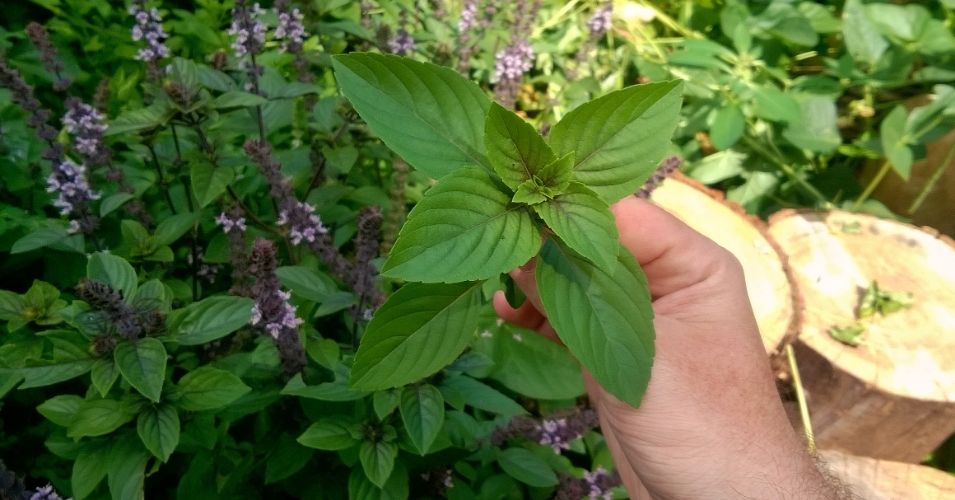
The leaves themselves offer clear signs of readiness. Healthy basil leaves should be bright green, smooth, and slightly glossy, with a soft but sturdy feel when you gently press them between your fingers.
If the leaves look dull, wilted, or slightly yellow, it is better to skip those and focus on the healthier parts of the plant.
Leaf size also gives you a clue. Medium to large leaves tend to have the most developed flavor, while very small leaves are still growing and should be left alone so they can reach their full potential.
The plant’s overall shape can also guide you. A full, bushy plant with multiple stems is ready for regular harvesting, while a smaller or sparse plant may need more time to grow stronger.
Warm conditions can cause basil to grow rapidly, sometimes producing noticeable new leaves within just a few days. This makes regular checking important so you do not miss the ideal harvest window.
Frequent harvesting actually improves the plant’s performance. When you pick at the right time, you encourage fresh growth and prevent the plant from becoming overgrown or woody.
With a little observation and consistency, you will begin to recognize the perfect moment to harvest, and your basil will reward you with steady, flavorful leaves all season long.
Pick Leaves in a Way That Encourages Fuller Growth
Harvesting basil is not just about taking leaves; it is also about shaping the plant so it continues to grow strongly and productively. The way you pick directly affects how full and healthy your basil becomes over time.
Instead of removing random leaves, focus on cutting stems just above a pair of leaves. This small detail makes a big difference in how the plant responds after harvesting.
When you cut above a leaf node, the plant sends out two new shoots from that point. This natural response creates a fuller plant with more branches, which means more leaves for future harvests.
Begin by finding a section of the plant that has at least two or three sets of leaves. Use clean scissors or your fingers to pinch the stem just above one of these sets, making a neat and careful cut.
Leaving a few sets of leaves behind allows the plant to continue photosynthesis and recover quickly after each harvest.
It is important to avoid cutting too low or removing too much at once. Taking more than one-third of the plant can stress it and slow down new growth.
Regular, moderate harvesting keeps the plant active and encourages steady production. As you continue to harvest this way, you will notice your basil becoming thicker and more balanced rather than tall and thin.
This simple technique turns each harvest into an opportunity to improve the plant’s shape and increase its yield.
Choose the Best Time of Day for Strong Flavor
The time of day you harvest basil can noticeably affect its flavor, aroma, and overall quality. Early morning is often the best moment to pick, especially after the dew has dried but before the sun becomes too strong.
During these hours, the leaves are fully hydrated and packed with essential oils that give basil its rich scent and taste.
As the day warms up, the plant begins to lose moisture, and the oils that create its bold flavor can fade. This does not mean basil harvested later is unusable, but it may not be as vibrant.
If morning harvesting is not possible, late afternoon can be a good second option, particularly on cooler days. Avoid picking during the hottest part of the day, as the leaves may be slightly wilted or stressed.
Consistency also helps you understand your plant better. Checking your basil at the same time each day allows you to notice how quickly it grows and when it reaches peak condition.
Freshly harvested basil is at its best when used soon after picking.
If you plan to store it, harvesting at the right time of day helps it stay fresher for longer. Leaves picked when they are cool and hydrated tend to hold their shape and aroma better during storage.
Bringing a small container with you can help you collect leaves gently and prevent bruising. By choosing the right time of day, you make a simple change that leads to stronger flavor, better texture, and a more enjoyable harvest overall.
Prevent Flowering to Extend Your Harvest Season
Basil naturally wants to flower as it matures, but allowing it to do so too early can reduce the quality and quantity of leaves. Once the plant begins to flower, it shifts its energy away from leaf production and into seed development.
This change can cause the leaves to become smaller and less flavorful over time.
To keep your basil producing fresh leaves, it is important to watch for the early signs of flowering. Small clusters forming at the top of the stems are usually the first indication that buds are developing.
When you see these forming, pinch or cut them off right away.
Removing flower buds tells the plant to focus on growing leaves rather than completing its life cycle.
Regular harvesting also helps delay flowering. Each time you trim the plant, you encourage it to stay in a growth phase rather than moving toward seed production.
Warm temperatures and long days can speed up flowering, so keeping a close eye on your plant during peak summer conditions is especially important.
Even if a few flowers appear, removing them quickly can help restore the plant’s energy toward leaf growth.
By staying consistent with pruning and watching for early buds, you can extend your basil harvest for many more weeks. A little attention goes a long way in keeping your plant productive, flavorful, and full throughout the entire growing season.
Store Basil Properly to Keep It Fresh Longer
After harvesting your basil, the way you store it can make a big difference in how long it stays fresh and flavorful. Basil is a delicate herb that responds best to gentle handling and the right environment, so a little extra care goes a long way.
One of the simplest and most effective methods is to treat basil like a bouquet of fresh flowers. Trim the ends of the stems and place them in a small glass of water, making sure the leaves stay above the waterline.
Keep the container at room temperature, away from direct sunlight. This method helps the basil stay hydrated and vibrant for several days.
It is best to avoid storing fresh basil in the refrigerator when possible. Cold temperatures can cause the leaves to darken and lose their texture. If you do need to refrigerate it, wrap the basil loosely in a slightly damp paper towel and place it in a breathable container. This can help protect the leaves from drying out while minimizing damage from the cold.
Always handle basil gently during storage. Bruising the leaves can lead to quicker wilting and loss of flavor. If you notice any damaged or discolored leaves, remove them promptly so they do not affect the rest of the bunch.
For longer storage, consider preserving your harvest. Basil can be chopped and frozen in small portions, often with a bit of water or olive oil to help maintain its flavor. This allows you to enjoy the taste of fresh basil even after the growing season has ended.
With the right storage approach, your freshly picked basil can stay aromatic and ready to use, making every harvest last just a little bit longer.
Final Thoughts
Harvesting basil is simple, but doing it the right way makes a lasting difference in how your plant grows and how your leaves taste.
By picking at the right time, cutting carefully, and storing your harvest with care, you keep your basil healthy and productive for weeks.
With a little consistency, your plant will continue to provide fresh, fragrant leaves that make every meal feel more vibrant and rewarding.