
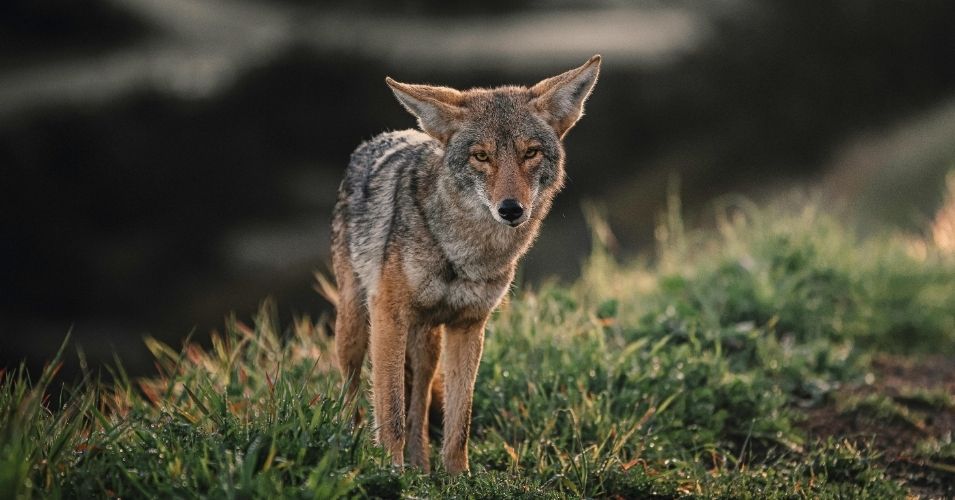
Coyotes have become more common in neighborhoods, and seeing one walk through your yard can feel surprising and unsettling, especially if you have children or pets. Although coyotes usually avoid people, they may wander close to homes when searching for food or exploring new territory.
Knowing how to respond in these moments helps you stay safe and calm. A few smart actions can prevent the situation from escalating, while inevitable mistakes can encourage unwanted behavior.
Understanding the right choices gives you confidence and helps protect both your family and the wildlife around you.
Stay Calm and Make Yourself Seen
When a coyote appears in your yard, your first reaction might be fear or surprise, but staying calm is one of the most important steps you can take. Coyotes pay close attention to body language, and a calm posture helps you stay in control while also keeping the situation from escalating.
Panicking or making sudden movements can confuse the animal and create unnecessary tension. Taking a breath and standing tall gives you a steady presence that signals awareness without showing fear. This moment of calm helps you think clearly and choose the safest next steps.
Making yourself seen is another key part of responding to a coyote encounter. Coyotes are naturally cautious and prefer to avoid people, so letting the animal know you are there often encourages it to leave on its own.
Standing upright, raising your arms slightly, or holding an object above your head helps make your silhouette appear larger. You do not need to act aggressively. You only need to show the coyote that you are alert and confident. This visual signal helps establish your presence in a way the animal understands.
Keeping eye contact with the coyote is helpful during this stage. You do not want to stare in a threatening way, but you should avoid turning your back or looking away. Direct eye contact tells the animal that you see it clearly, which often reduces curiosity or boldness.
As you maintain your posture, speak in a firm and steady voice. This type of vocal presence reinforces your position without shouting or panicking. Coyotes respond to tone, and a steady voice can encourage them to move along.
It is also important to remain still without stepping toward the animal. Moving closer can be misinterpreted as a challenge. Standing your ground shows confidence without provoking the coyote. If children or pets are nearby, call them to your side calmly and slowly.
Avoid letting them run or make sudden movements because this can catch the coyote’s attention and trigger a chase response. By staying calm, standing tall, and making yourself clearly visible, you create a respectful yet firm boundary that encourages the coyote to keep going. These small but steady actions help you guide the encounter safely while maintaining control of the moment.
Use Safe and Effective Deterrent Actions
Once you have made yourself seen and maintained a calm posture, the next step is using safe deterrent actions that encourage the coyote to leave your yard quickly. Coyotes usually respond well to assertive movements that convey confidence, and these actions help reinforce the idea that your space is not a place to explore.
The goal is not to harm the animal, but to create a boundary that helps it understand that your yard is off-limits. A few simple and safe techniques can be very effective without putting you or the coyote at risk.
Making loud noises is one of the easiest and most reliable deterrent methods. Clapping your hands, shaking a can filled with coins, or using a whistle sends a clear message that the coyote is not welcome.
These sharp sounds often startle the animal enough to make it move away. You do not need to scream or shout aggressively. You only need a sound that interrupts the coyote’s focus and encourages it to retreat. Consistent noise is more helpful than overwhelming noise because it reinforces your presence without creating panic.
Another safe action is using simple motions that increase your visibility. Waving your arms slowly or opening your jacket to make your shape appear larger communicates strength and confidence.
These movements make you look more dominant in the coyote’s eyes. The goal is to appear assertive but not threatening. Quick or unpredictable motions might confuse the animal, so steady and deliberate gestures work best in these situations.
Objects that you can throw near the coyote, such as small stones or sticks, can also serve as helpful deterrents when used correctly. You should throw the object toward a safe direction near the animal, not at its body. The purpose is to create a distraction and encourage the coyote to move without causing harm. Even tossing something onto the ground in front of you can break the coyote’s focus and create enough disturbance to send it away.
Lights make effective deterrents as well. Flashing a flashlight at the ground in front of the coyote or turning on outdoor lights can disrupt its comfort. Coyotes prefer dark and quiet areas, so bright light often encourages them to leave.
If you combine light with steady noise and confident body language, you convey a strong message: your yard is not a place to linger. By using safe, calm, and deliberate deterrent actions, you help guide the encounter in a way that protects your space while respecting the animal’s presence.
Secure Your Space After the Encounter
Once the coyote has left your yard, the next step is making sure it has no reason to return. Coyotes are incredibly opportunistic, and even a small reward can encourage them to visit again.
Securing your space after the encounter creates a safer environment for your family and discourages wildlife from considering your yard part of their territory. This step matters just as much as the actions you take during the encounter itself because prevention plays a significant role in keeping coyotes away for good.
Start by checking for food sources that may have attracted the coyote in the first place. Even small items such as fallen fruit, unsecured trash bags, or leftover pet food can draw a curious animal into your yard.
Removing these items breaks the cycle of reward and keeps your yard from becoming a regular stop. If you have outdoor garbage bins, make sure the lids close tightly, and keep the area clean so no smells drift into the neighborhood. Simple changes like these make a noticeable difference in reducing wildlife visits.
Next, look for potential shelter spots that could give coyotes a place to hide or rest. Overgrown shrubs, wood piles, and low decks provide quiet hiding spaces that make animals feel safe.
Trimming back thick vegetation and tightening the gaps beneath outdoor structures removes tempting hideaways. This does not disturb the natural landscape but helps create an environment where coyotes feel less comfortable lingering.
If you have pets, securing your space becomes even more critical. Check fences for gaps or loose boards, because coyotes can squeeze through surprisingly small openings. A fence does not need to be extremely tall to be useful. It only needs to be sturdy and secure.
Bringing pets indoors when unsupervised and keeping them close during outdoor time significantly reduces risk. Even small dogs and cats that seem confident should not be left outside alone at dawn or dusk, since these are common movement times for coyotes.
Lighting is another helpful addition to your yard. Motion-activated lights can startle coyotes and make them less comfortable moving around your property. These lights do not need to be overly bright, but they should provide quick illumination when movement is detected. This sudden brightness often encourages animals to move on to quieter areas.
Finally, talk with neighbors if you notice repeated activity. Coyotes travel through large territories, and group awareness helps everyone maintain safe habits. By securing your yard and reducing attractants, you take simple but powerful steps that keep coyotes from returning and help maintain a safe environment for your home and community.
Never Feed or Approach a Coyote
Feeding or approaching a coyote is one of the most dangerous mistakes a person can make, even if the animal looks calm or curious. Coyotes may appear friendly in certain situations, but they are still wild animals with instincts that shift quickly.
When people feed coyotes, even accidentally, the animals begin to associate humans with rewards. This creates behavior that becomes bolder and more unpredictable over time. A coyote that learns to expect food from humans becomes a safety concern for the entire neighborhood.
Approaching a coyote can also encourage unwanted behavior. Coyotes interpret closeness as interest or challenge, and stepping toward them can trigger defensive reactions.
Even a small step forward can cause confusion or fear. Maintaining distance is always the safest choice.
The animal may be curious, but curiosity should not be mistaken for friendliness. Respecting the natural boundary between humans and wildlife helps protect both sides.
Feeding coyotes also disrupts natural hunting patterns. When a coyote relies on human-provided food, it becomes less cautious and more likely to wander through neighborhoods. This increases the chance of conflicts with pets or children.
By never offering food, intentionally or otherwise, you help keep coyotes wild and maintain safe behavior within their natural environment.
Keeping your distance and avoiding any form of feeding sends a clear message that your yard is not a place for wildlife interaction. This boundary helps ensure safer encounters and keeps coyotes wary of people rather than comfortable around them.
Do Not Turn Your Back or Run Away
Turning your back or running away from a coyote is one of the most dangerous responses you can have during an encounter. Coyotes are naturally alert, and sudden movement can trigger their chase instinct even if they had no interest in approaching you.
Running signals fear and vulnerability, and these signals can change the way a coyote reacts. Staying in control of your movements is essential because your body language communicates far more than your voice in moments like this. Remaining steady and facing the animal helps prevent misunderstandings that could escalate the situation.
When you keep your eyes on the coyote without staring aggressively, you send a clear message that you are aware of its presence. Coyotes respect confidence and distance, and your steady posture helps maintain both.
Even if you feel nervous, holding your ground shows the animal you are not prey. This is important because coyotes rely heavily on reading behavior. A calm, facing stance creates a boundary that the animal can understand.
Backtracking slowly while maintaining visual contact is the safest way to put distance between you and the coyote. Small, controlled steps help prevent a chase response and give you time to judge the animal’s movements.
This deliberate retreat also helps you stay aware of your surroundings. Running can cause you to trip, fall, or lose awareness of obstacles, which only increases risk. Slow movement gives you better control of the environment and reduces the chance of startling the coyote with sudden shifts.
If you have children or pets with you, making sure they do not run is just as important. Holding a child’s hand or picking them up calmly keeps the group steady. Pets, especially small dogs, may feel panicked, so placing yourself between the pet and the coyote gives a clear barrier. Encouraging everyone to remain still and move as a group helps prevent chaotic movement that can draw unwanted attention.
Coyotes do not usually attack people, but the wrong movements can extend an encounter longer than necessary. Staying in control, maintaining your stance, and avoiding sudden actions all work together to keep the encounter safe.
You guide the situation by showing awareness, confidence, and calm presence. These simple behaviors greatly lower the chance of conflict and help the coyote choose a safer direction away from your yard.
Final Thoughts
Coyotes may appear in neighborhoods more often than expected, but most encounters can be handled safely with patience and awareness.
Knowing how to remain calm, use smart deterrents, and avoid risky behavior helps you guide the situation with confidence. Simple choices like standing tall, removing attractants, and respecting wildlife boundaries make a meaningful difference in keeping your home safe.
With the proper knowledge, you can protect your space without harming the animal and maintain a peaceful environment where wildlife and people coexist responsibly.