
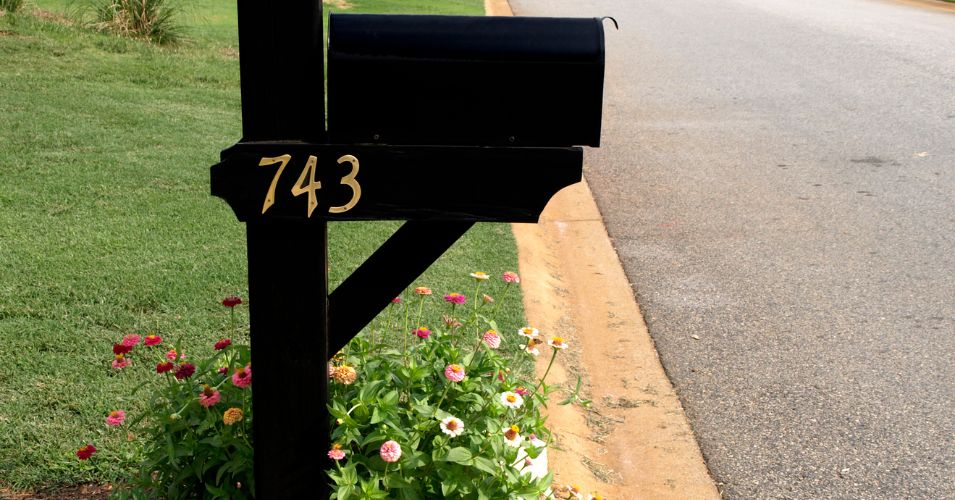
A mailbox is one of the first things people notice when they approach a home, yet it is often one of the most overlooked areas for adding plants.
A few carefully chosen flowers, shrubs, or greenery can turn a plain mailbox into a charming part of your landscape.
The right plants can add color, soften hard edges, and make your front yard feel more inviting.
Whether you prefer a low-maintenance design or a bright seasonal display, there are plenty of ways to create a mailbox garden that feels like it belongs with your home.
Choosing Plants That Match Your Mailbox Location
The best mailbox gardens do not happen by simply picking a few attractive plants and placing them in the ground. The most successful designs begin with looking at the space itself.
A mailbox sitting in the middle of an open lawn has completely different needs from one tucked beside a shaded walkway or surrounded by mature trees.
Start by paying attention to the amount of sunlight your mailbox receives each day. A spot that gets strong afternoon sun can become hot and dry, especially near concrete driveways and roads.
Plants chosen for this type of location should be able to handle heat without constantly needing extra water. If your mailbox is protected by shade for most of the day, choose plants that enjoy cooler conditions and do not rely on intense sunlight to thrive.
The space around a mailbox is usually smaller than a traditional garden bed, which means plant size matters. A shrub that looks charming when young can quickly become oversized and hide your mailbox, cover your address numbers, or make it harder for the mail carrier to reach the box.
Compact flowers, small shrubs, and spreading ground covers are often better choices because they add beauty without creating extra work.
It is also worth thinking about the conditions plants face near the road. Dust, heat from pavement, strong winds, and occasional neglect can challenge delicate varieties. Tough plants that can withstand everyday outdoor conditions will keep your mailbox area looking fresh, even as the weather changes.
Your own gardening habits should guide your choices as well. If you enjoy spending weekends caring for flowers, you may want a more detailed garden with plants that need regular attention.
If you prefer a simple landscape, choose reliable varieties that continue looking good with less effort. The right plants should fit both your mailbox location and the amount of care you want to provide.
Colorful Flowers That Create a Welcoming Display
A mailbox is a small part of your yard, but it can make a surprisingly big impression. Adding colorful flowers around it turns a basic roadside feature into a cheerful entrance that reflects your home’s personality.
The key is choosing flowers that not only look beautiful but can also handle outdoor conditions.
Petunia is a favorite for many mailbox gardens because of its bright blooms and wide range of colors. These flowers can fill empty spaces with shades of purple, pink, red, and white, making the area feel lively from spring through fall.
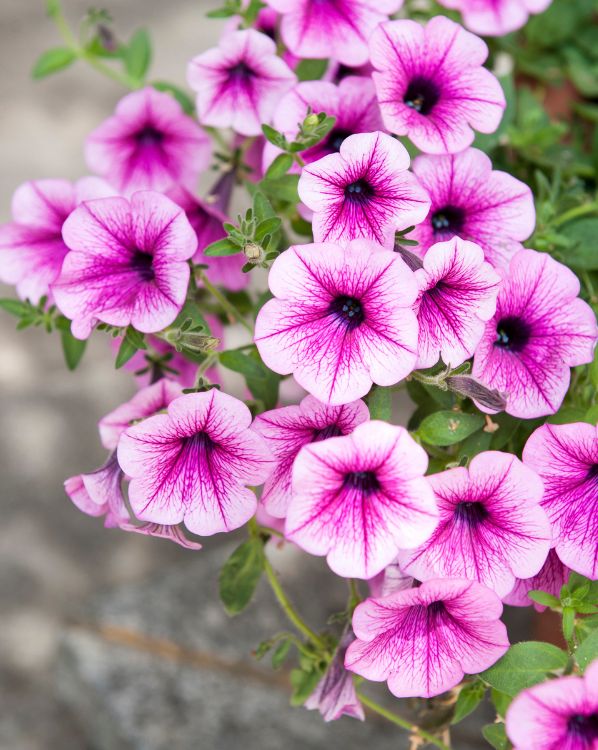
Petunias work especially well when planted near the front of a mailbox bed because their soft, spreading growth can create a fuller look around the base.
For a burst of warm color, marigolds are hard to beat. Their cheerful yellow and orange flowers bring instant energy to a landscape and stand out beautifully against green foliage.
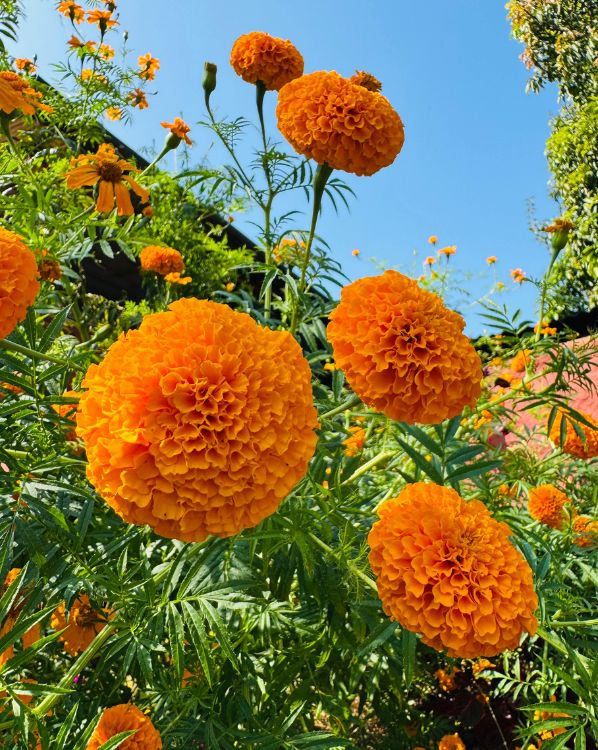
Marigolds are also a practical choice for sunny mailbox locations because they are known for their dependability in hot weather. They add plenty of charm without requiring complicated care.
If you want a flower that adds height and a different shape, Salvia is an excellent option. Instead of spreading low across the ground, salvia grows upward with tall flower spikes that add more dimension to the garden. Its purple, blue, pink, or red blooms can create a striking contrast when placed behind shorter flowers.
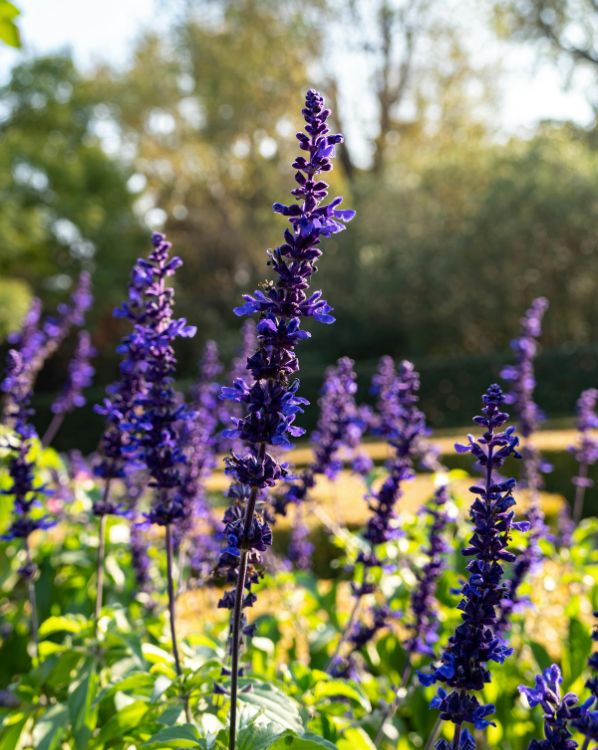
A combination of these plants can make a mailbox garden feel balanced and intentional. Mixing different heights, colors, and textures prevents the area from looking flat and gives visitors something interesting to notice each time they pass by.
Even a small planting space can become a colorful feature that adds character to the front of your home.
Low Maintenance Greenery for a Beautiful Mailbox Garden
A mailbox garden does not need to be packed with demanding plants to make an impression. In fact, some of the most attractive designs rely on simple greenery that quietly holds the space together.
Foliage plants give your mailbox area shape and character, even during times when flowers are not blooming. They create a dependable backdrop that keeps the landscape looking finished with very little effort.
Boxwood is a great example of a plant that brings order to a small garden space. Its dense green leaves and naturally rounded shape make it ideal for framing a mailbox without taking over the area.
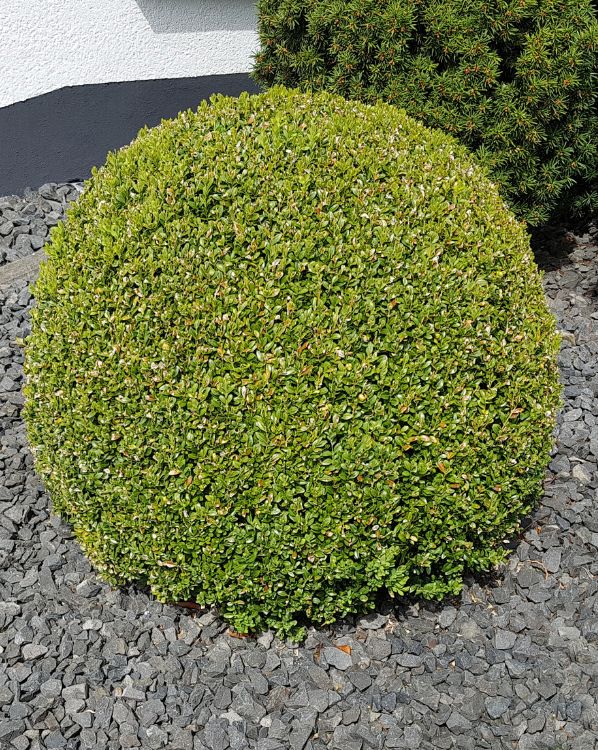
Boxwood can be left to grow naturally for a relaxed appearance or lightly trimmed for a cleaner, more formal look. Because it stays green year-round, it helps maintain interest even during the colder months.
For a different texture, consider adding Liriope around the base of your mailbox. This grass-like plant has arching leaves that soften hard edges and help blend the mailbox into the surrounding landscape.
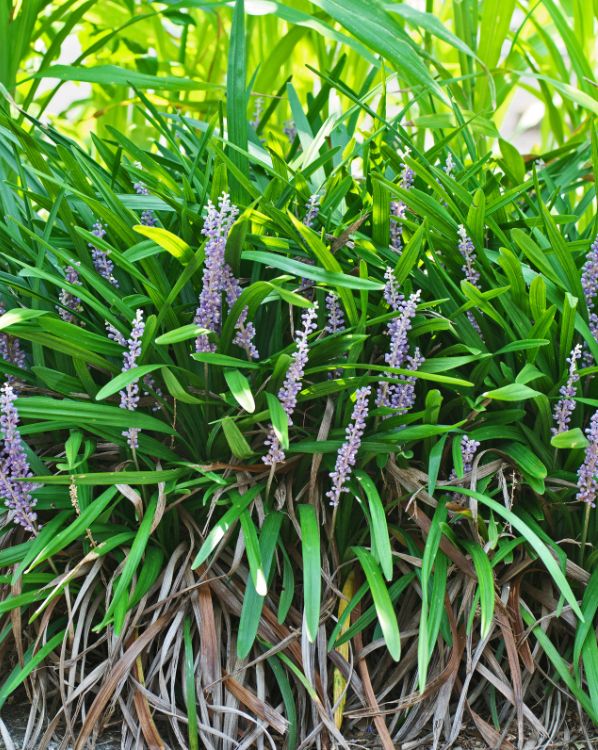
It is especially useful for filling narrow spaces where larger plants would feel crowded. Once established, liriope is known for handling everyday garden conditions without needing much attention.
Lavender adds another layer of appeal with its unusual gray-green foliage and pleasant fragrance. While many people choose lavender for its purple flowers, the plant’s silvery leaves provide beauty even when it is not in bloom.
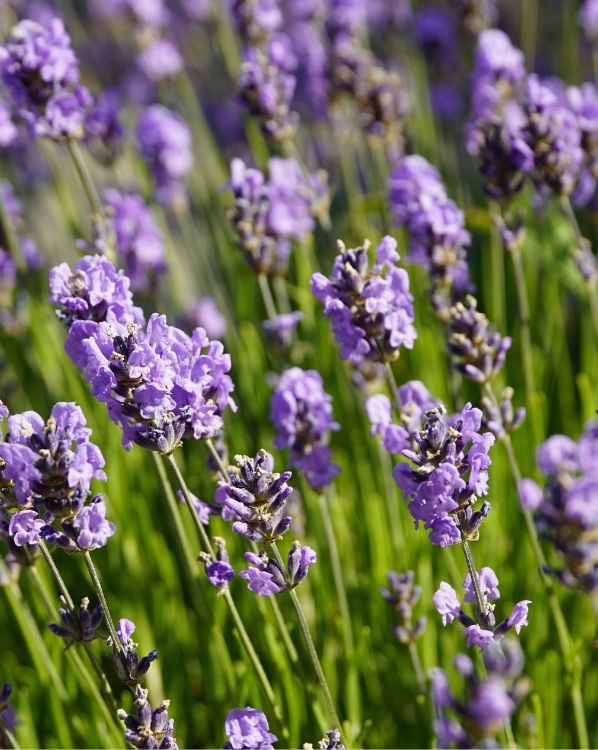
It works particularly well in sunny areas with well-drained soil and gives a mailbox garden a relaxed, cottage-style feeling.
The best low-maintenance mailbox gardens are not empty or boring. They use plants that work with the space rather than fight against it.
A few carefully selected greenery choices can provide structure, reduce upkeep, and give your mailbox a naturally attractive appearance that lasts from season to season.
Adding Seasonal Interest Around Your Mailbox
A mailbox garden can tell a different story throughout the year. Instead of planting everything at once and watching the display fade after a single season, you can choose plants that take turns adding color and texture.
This approach keeps the area looking fresh and gives you something new to enjoy as the months pass.
Spring is a wonderful time to bring early color back into the landscape with tulips. These familiar flowers are often among the first signs that the garden is waking up after winter. Planted in groups around a mailbox, tulips create cheerful bursts of color that make your home’s entrance feel brighter and more inviting.
When summer arrives, Coneflower can keep the display going with strong blooms and a long flowering period. Its tall stems add height, while its open flowers bring a natural, slightly wild look to the garden. Coneflowers are also a favorite among pollinators, bringing extra activity and movement to your mailbox area.
For fall and early winter interest, Ornamental Kale offers something different from typical flowering plants. Instead of relying on colorful petals, it stands out through its curled leaves and unusual shades of green, purple, and white. It can continue to look attractive even when many summer plants have already disappeared.
A well-planned mailbox garden does not have to look the same every month. The beauty comes from allowing different plants to take the spotlight at different times.
By mixing seasonal favorites with dependable greenery, you can create a small landscape that feels alive year-round rather than only during peak gardening season.
Design Tips for a Long-Lasting Mailbox Landscape
A great mailbox garden should not only look good the week it is planted. It should continue to feel like a natural part of your home’s landscape as the plants mature and the seasons change.
The secret is not about adding as many plants as possible, but about creating a space where each choice has a purpose.
Before planting, decide what kind of feeling you want the area to have. A curved flower bed can make a mailbox feel softer and more connected to the rest of the yard, while a simple border with clean edges can give it a more organized appearance.
Even a small planting area can look carefully designed when the layout feels intentional.
Think about how plants will grow over time. A tiny shrub from the garden center may eventually become much larger, so it is important to leave enough room for mature growth. Avoid placing tall plants directly in front of the mailbox where they could block the flag, cover the address, or make it difficult to collect mail.
Lower flowers and spreading plants usually work best near the front, while taller varieties can add background interest.
Adding a layer of mulch is one of the easiest ways to keep a mailbox garden looking neat. Mulch creates a finished appearance, helps the soil hold moisture, and makes routine maintenance easier. It also provides a cleaner backdrop for colorful flowers and green foliage, allowing the plants to stand out.
A successful design should also work with your daily routine. If you do not want to spend every weekend pruning and watering, choose plants that can handle the conditions around your mailbox. Sun exposure, soil type, and local weather all play a role in how much care your garden will need.
It is also helpful to leave enough space around the mailbox itself. Plants should frame the area rather than compete with it.
When visitors see a tidy garden that blends naturally with your property, the mailbox becomes a small but charming part of your home’s overall appearance.
Final Thoughts
The space around a mailbox is easy to overlook, but it offers a simple opportunity to add personality to your landscape. A few well-chosen plants can turn an ordinary mailbox into a welcoming feature that catches attention from the street.
Whether you enjoy bright seasonal flowers, dependable greenery, or a combination of both, the best choices are the ones that fit your yard and your lifestyle.
With a little planning, your mailbox garden can stay attractive, manageable, and enjoyable throughout the year.