
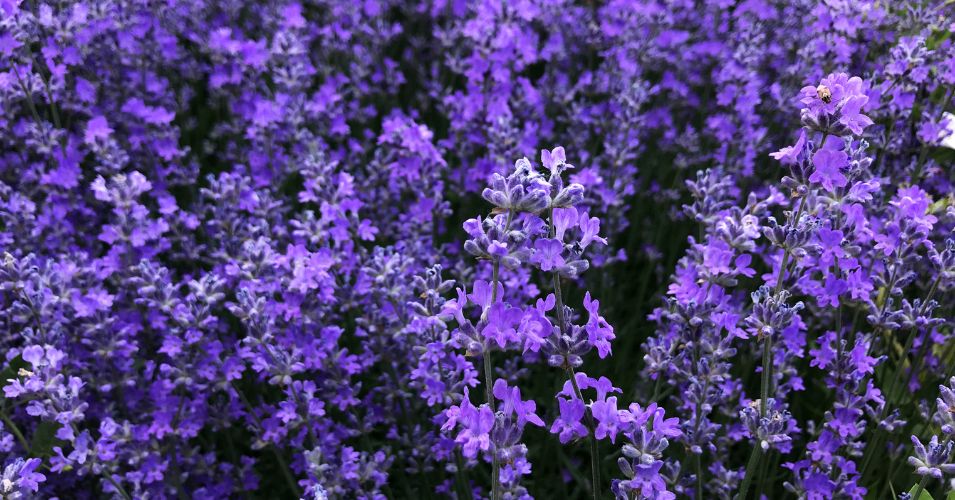
Lavender is famous for thriving where many other plants struggle, which is why it has become a favorite in gardens around the world. Its fragrant flowers, silvery foliage, and low-maintenance nature make it an easy choice for borders, containers, and herb gardens alike.
Even so, many gardeners wonder whether lavender needs fertilizer at all, and if it does, which type is best. The answer is not as straightforward as you might think.
Choosing the right natural fertilizer and using it sparingly can help your lavender stay healthy, produce more flowers, and continue looking its best for years to come.
Why Lavender Needs a Different Feeding Approach
If you have grown vegetables or flowering annuals before, it is easy to assume lavender wants the same treatment. In reality, it is almost the opposite.
Lavender comes from the rocky, sun-baked landscapes of the Mediterranean, where the soil is often dry and low in nutrients. Those natural growing conditions have shaped the way the plant develops, which is why heavy feeding rarely produces better results.
Many gardeners are surprised to learn that overfertilizing lavender can actually reduce the number of flowers. Instead of putting its energy into blooming, the plant begins producing lots of soft, green growth.
While the extra foliage may look healthy at first, it often means fewer flower spikes and a weaker fragrance. The stems can also become floppy, making the plant lose its naturally neat shape.
Soil quality matters just as much as nutrition. Lavender is happiest when water drains away quickly after rain or watering. Rich soils packed with organic matter tend to stay damp for longer, which is not ideal for a plant that prefers dry roots.
If moisture lingers around the base for too long, root problems become much more likely, especially during cooler months.
That does not mean lavender should never be fertilized. Plants growing in sandy soils may slowly use up the limited nutrients available, while those in containers depend entirely on what you provide. In these situations, a light application of a suitable natural fertilizer can help support healthy growth without encouraging excessive foliage.
It is also worth remembering that mature lavender usually needs less attention than young plants. A newly planted lavender benefits from the occasional boost while it establishes its roots. Once it has settled in, its needs become much simpler. Plenty of sunshine, well-drained soil, and careful watering often make a bigger difference than adding more fertilizer.
The secret to growing beautiful lavender is resisting the urge to overdo things. Rather than treating it like a hungry garden plant, think of it as one that performs best with a little restraint. A gentle feeding now and then is often all it takes to keep it healthy and covered in fragrant blooms.
The Best Natural Fertilizers That Help Lavender Thrive
Choosing a natural fertilizer for lavender is less about finding the strongest product and more about picking one that supplies nutrients gradually. Lavender responds best to light feeding, so gentle options usually outperform anything designed to produce rapid growth.
Well-aged compost is one of the easiest places to start. A small handful spread around the plant in spring adds trace minerals and encourages healthy soil without flooding the roots with nutrients. The key is moderation. A thick layer can hold extra moisture, which is the last thing lavender needs.
Worm castings are another excellent choice if you want something mild but effective. They release nutrients slowly and improve the overall health of the soil. Because they are naturally low in nitrogen, they support steady growth without causing the plant to become overly leafy.
Bone meal is worth considering if you are planting new lavender or want to encourage stronger root development. It provides phosphorus, which helps support healthy roots and flower production over time. Since it breaks down gradually, one application can continue feeding the plant for months.
If your garden soil is naturally acidic, a light sprinkling of wood ash may also be helpful. It supplies potassium and calcium while gently raising the soil’s pH. Use it sparingly, though, as too much can upset the soil’s balance.
Homemade fertilizers can work just as well when they are used wisely. Finished compost made from kitchen and garden waste is an easy way to recycle nutrients back into the garden.
Crushed eggshells are another popular option because they slowly release calcium as they break down. Some gardeners also water with diluted compost tea to introduce beneficial microorganisms and provide a gentle source of nutrition.
No matter which natural fertilizer you choose, it is best to think of it as a supplement rather than a necessity. Lavender is naturally adapted to soils that many other plants would struggle in.
A light feeding once a year is often enough to keep it healthy, encourage strong flowering, and maintain the compact growth that makes lavender such a favorite in gardens.
How and When to Feed Lavender for the Best Results
Lavender does not need a regular feeding schedule like many other garden plants. In fact, one of the biggest mistakes gardeners make is assuming that more fertilizer means more flowers. With lavender, the opposite is often true. A light touch usually produces the healthiest plants.
The best time to feed lavender is in early spring, just as fresh growth starts appearing. At this stage, the plant is waking up after winter and beginning another growing season. A small amount of natural fertilizer gives it enough nutrients to support new roots, stems, and flower buds without encouraging excessive leafy growth.
If your lavender is planted in the ground, one application is often all it needs for the entire year. Plants growing in sandy soil may appreciate another light feeding in early summer because nutrients drain away more quickly. Container-grown lavender is another exception since regular watering gradually washes nutrients out of the potting mix.
When it comes to applying fertilizer, less is definitely more. Sprinkle a small amount around the outside of the plant instead of placing it directly against the stem. Water it in lightly if the soil is dry, then leave the plant alone. There is no need to keep adding fertilizer every few weeks.
Late-season feeding is rarely a good idea. Fertilizing towards the end of summer can encourage fresh shoots that may not harden before colder weather arrives. Those tender stems are much more likely to be damaged during winter, leaving the plant weaker when spring returns.
Rather than feeding by the calendar every year, take a look at the plant first. Lavender with healthy foliage, strong stems, and plenty of flowers is telling you it is happy.
If growth has slowed, flowering has declined, or the leaves look unusually pale, a light feeding may help. Otherwise, it is often best to leave well enough alone. Lavender has never been a demanding plant, and that is one of the reasons so many gardeners love growing it.
Natural Fertilizers That Are Not Ideal for Lavender
It is easy to assume that if a fertilizer is natural, it must be good for every plant. Lavender is one of the exceptions. Because it naturally grows in dry, nutrient-poor soils, some organic fertilizers can be just as unsuitable as synthetic ones.
Fresh manure is a good example. It works well for hungry crops like pumpkins and tomatoes, but it is simply too rich for lavender. The high nitrogen content encourages lots of leafy growth, often at the expense of flowers. It can also hold extra moisture in the soil, creating conditions that lavender roots do not appreciate.
Blood meal is another product that is best left for other parts of the garden. While it is an excellent source of nitrogen, lavender rarely needs that kind of boost. Too much nitrogen often results in taller, softer stems and a plant that looks green and healthy but produces fewer blooms and less fragrance.
Compost is a little different because it can benefit lavender when used in moderation. The problem comes when too much is added. A thick layer around the base of the plant traps moisture and enriches the soil more than necessary. For lavender, that combination is far from ideal. If you use compost, a light application is all that is needed.
Coffee grounds are also worth avoiding. They are commonly recommended as a natural fertilizer, but they tend to make the soil more acidic over time. Lavender prefers neutral to slightly alkaline conditions, so coffee grounds are usually a better fit for acid-loving plants such as blueberries or azaleas.
When choosing a fertilizer, it helps to remember where lavender comes from. It has spent centuries growing on rocky hillsides with very little nutrition available. Trying to improve on those conditions with rich organic fertilizers often creates problems instead of healthier plants.
In most gardens, a light hand will produce far better results than generous feeding ever will.
Are Synthetic Fertilizers a Good Choice for Lavender?
Walk into any garden center, and you will find shelves full of synthetic fertilizers promising faster growth and bigger plants. Those claims might be tempting, but they are not really aimed at lavender.
This is one plant that rarely benefits from being pushed to grow faster than it naturally wants to.
The biggest issue is nitrogen. Many synthetic fertilizers contain high amounts of it because leafy plants respond quickly with fresh green growth. Lavender responds too, but not in the way most gardeners hope. Instead of producing more flowers, it often grows larger with softer stems and fewer blooms.
The fragrance can also become less intense because the plant is putting more energy into leaves than flowers.
Fast-acting fertilizers create another challenge. They release nutrients almost immediately, giving plants a sudden boost that lavender does not need. Natural fertilizers break down gradually, providing a slow supply that is much closer to what the plant would receive in its native habitat.
That is not to say synthetic fertilizers should never be used. If a soil test shows a specific nutrient deficiency, they can be a practical way to correct the problem. The key is choosing a balanced product, applying only a small amount, and resisting the temptation to feed repeatedly throughout the growing season.
For most gardens, though, synthetic fertilizers solve a problem that does not really exist. Lavender has built its reputation on thriving in conditions where many other plants struggle.
Give it plenty of sunshine, well-drained soil, and just a little nutrition when it genuinely needs it, and it will usually reward you with healthy growth and an abundance of fragrant flowers without much extra effort.
Final Thoughts
Lavender has never been a plant that asks for much. Give it sunshine, soil that drains well, and avoid the temptation to overfeed it, and it will often reward you with years of colorful, fragrant blooms.
If you decide to fertilize, keep it simple. A light application of compost, worm castings, bone meal, or another gentle natural fertilizer is usually enough to support healthy growth without encouraging excessive foliage.
More fertilizer does not mean more flowers, and with lavender, restraint almost always produces the better result.
Once you understand how this Mediterranean herb naturally grows, caring for it becomes much easier. Instead of trying to force faster growth, focus on creating the conditions it already prefers. That approach will do far more for your lavender than any heavy feeding schedule ever could.