
Purple flowers bring a sense of richness and calm that few other colors can match.
From soft lavender shades to deep violet blooms, purple perennials add beauty that returns year after year with very little effort.
Once established, these hardy plants can fill garden beds, line walkways, attract pollinators, and create stunning color combinations that last through multiple seasons.
The best part is that many purple perennials are surprisingly easy to grow.
Plant them once, give them the right conditions, and they will reward you for years with fresh blooms, fragrant foliage, and reliable garden color.
Purple Blooms That Turn Any Garden Into a Showpiece
If you want your yard to feel more colorful and inviting without replanting flowers every year, purple perennials are one of the smartest choices you can make. Purple shades naturally stand out in flower beds and create a rich, layered look that instantly makes outdoor spaces feel more polished.
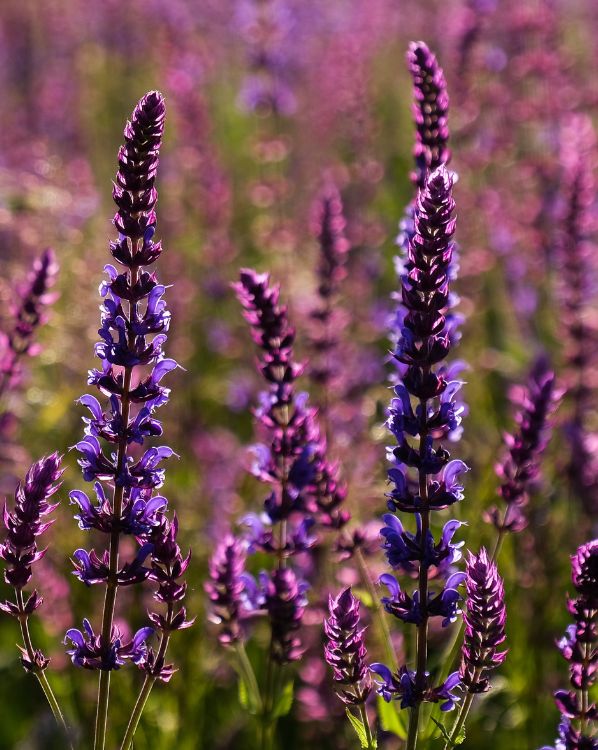
One of the easiest ways to create that effect is with Salvia. Its tall spikes of purple flowers add height and movement to your garden while attracting butterflies and hummingbirds throughout summer. Once planted in a sunny area, Salvia asks for very little from you, aside from occasional watering during dry weather.
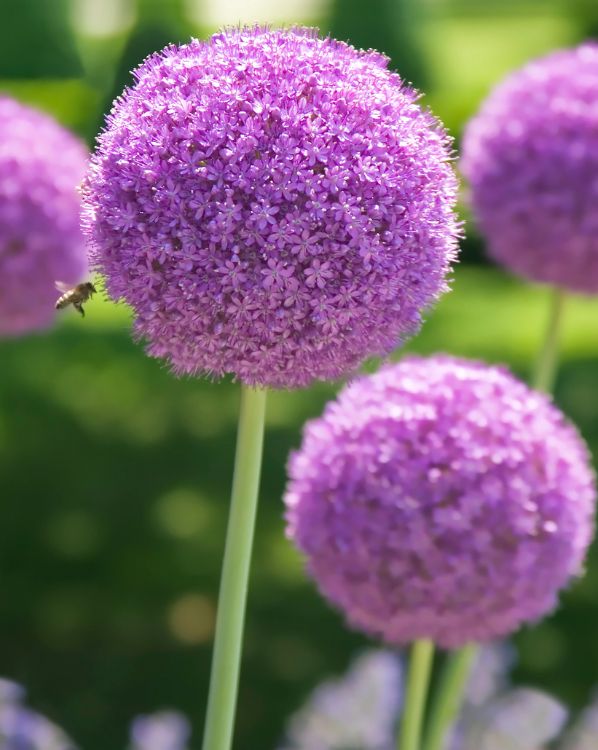
For something more dramatic, Allium creates giant purple flower spheres that almost look too perfect to be real. These blooms rise above surrounding plants and immediately catch the eye. Planting a cluster of Allium bulbs can make your flower bed look professionally designed without much effort.
If part of your yard gets more shade than sun, Astilbe is a beautiful solution. Its soft purple plumes add texture and fullness to darker corners that might otherwise feel empty. When several plants bloom together, they create a lush look that feels almost storybook-like.
To soften pathways or borders, you can plant Catmint along the edges. This low-growing perennial spreads gently and produces long-lasting lavender-purple flowers that keep your garden colorful for months.

The best part is that these plants return every year stronger than before. Once they settle into the soil, you can enjoy a garden filled with purple blooms without constantly having to start over each spring.
Long Lasting Favorites That Thrive with Little Effort
Not everyone wants flowers that demand constant watering, trimming, and attention. If you prefer plants that practically take care of themselves, several purple perennials are perfect for your yard.
One of the toughest options you can plant is Russian Sage. This perennial thrives in heat, dry soil, and full sun while producing airy clouds of purple blooms for weeks. Even if you occasionally forget to water it, Russian Sage continues growing strong and adds a soft, dreamy look to your landscape.
Another dependable favorite is Coneflower. The purple varieties are especially striking because their rich petals surround bold centers that attract birds and butterflies. Once established, Coneflower handles summer heat with ease and keeps blooming long after many other flowers fade.
If you want to cover empty spaces quickly, Creeping Phlox can transform bare areas into carpets of purple blooms in spring. It spreads naturally across borders, slopes, and rock gardens while requiring very little maintenance from you. As a bonus, it helps reduce weeds by filling gaps in the soil.
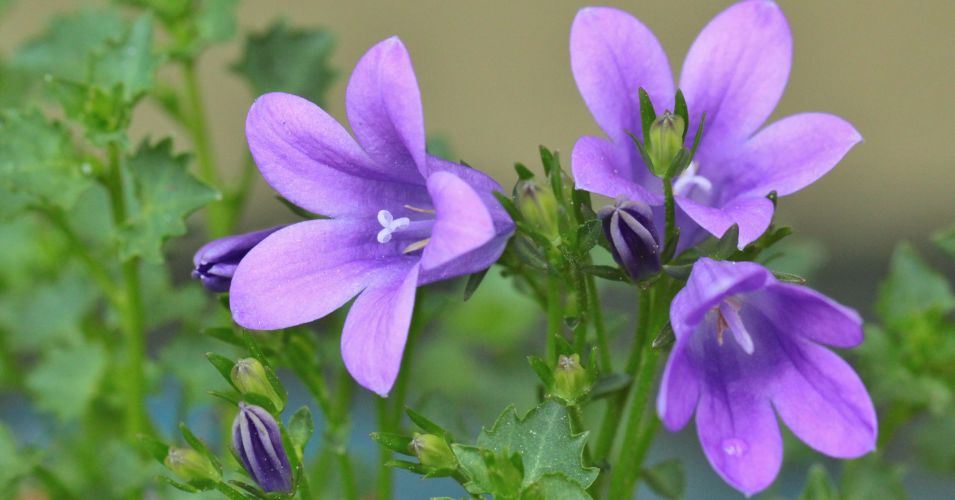
For partially shaded areas, Campanula, commonly known as Bellflower, adds clusters of charming purple blooms that return year after year. These flowers bring color to spots where many sun-loving perennials struggle. You do not need to fuss over them constantly to keep them healthy, either. Be sure to plant the clump-forming varieties and avoid the creeping varieties. Campanula rapunculoides, commonly known as Creeping Bellflower, is an invasive weed that is nearly impossible to eradicate once established.
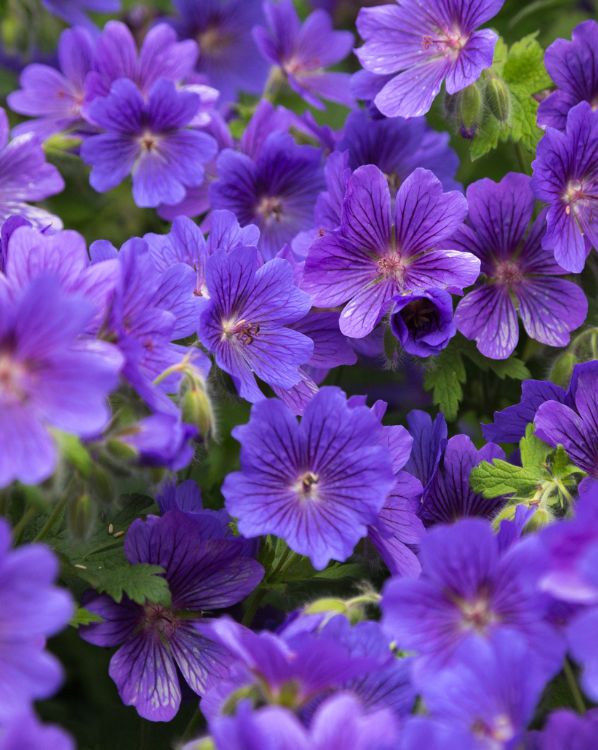
Another excellent choice is Geranium Rozanne. Unlike annual geraniums that fade after one season, this perennial blooms for an incredibly long time. You can enjoy violet purple flowers from late spring well into fall with very little work involved.
What makes these plants so rewarding is their reliability. Once you plant them in the right location, they continue growing fuller and stronger with each passing season. Instead of spending every spring replacing flowers, you get to enjoy a mature garden that already feels established and colorful.
Over time, your yard starts looking more vibrant without requiring endless effort from you.
Fragrant Purple Flowers Bees and Butterflies Cannot Resist
A garden filled with fragrant purple flowers does more than look beautiful. It creates movement, sound, and life throughout your yard. Once butterflies begin floating from bloom to bloom and bees start buzzing around the flowers, the entire space feels more alive and welcoming.
One of the best plants for attracting pollinators is Bee Balm. Its bright purple blooms almost seem designed to invite hummingbirds, butterflies, and bees into your garden.
The flowers have a wild and cheerful appearance that adds energy to flower beds during summer. When planted in groups, Bee Balm creates large patches of color that quickly become the busiest part of the yard.
You can also fill the air with a calming fragrance by planting Lavender. Beyond its soft purple blooms, the scent alone makes this perennial unforgettable.
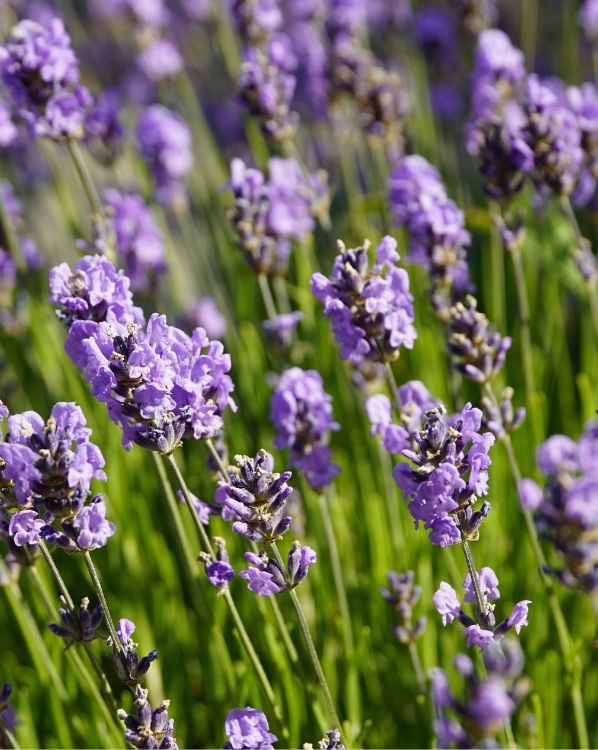
Walking past Lavender on a warm afternoon releases a fresh herbal fragrance that instantly makes outdoor spaces feel peaceful. Bees especially love these flowers, often visiting them from morning until evening.
Another pollinator magnet is Hyssop. This lesser-known perennial produces spikes of rich purple flowers that bloom for long periods during summer. Butterflies are constantly drawn to it, and its upright growth gives flower beds a more layered, textured appearance. Once established, Hyssop handles heat and dry weather surprisingly well.
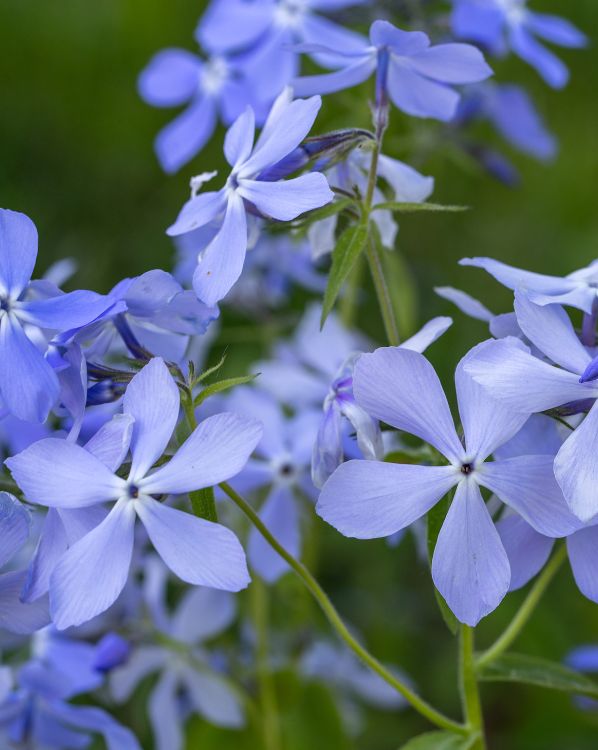
If you want a softer cottage garden feel, Phlox is another excellent choice. The clusters of purple blooms release a sweet fragrance that becomes more noticeable in the evening. Planting Phlox near patios or seating areas lets you enjoy both the scent and the steady stream of butterflies that visit the flowers.
By choosing fragrant purple perennials, you are not just planting flowers. You are creating a lively outdoor space filled with color, movement, and the calming sounds of nature returning year after year.
Tough Perennials That Return Bigger Every Year
Some flowers may look impressive for one season, then disappear or weaken the following year. Purple perennials are different.
Many of them become stronger, fuller, and more eye-catching over time, giving your yard a richer appearance without requiring constant replanting.
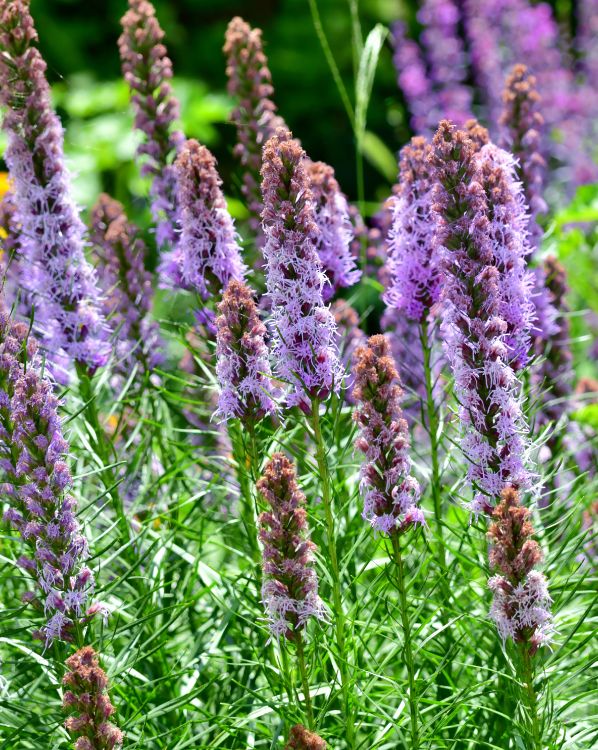
One especially dependable choice is Liatris. Its tall purple flower spikes add height and texture while attracting butterflies throughout summer. Even in hot weather, Liatris continues to stand tall and bloom reliably. Over the years, the clumps gradually expand, giving your flower beds a fuller and more dramatic appearance.
Another dependable favorite is Daylily. While many people associate daylilies with yellow or orange blooms, purple varieties can add bold color that lasts through much of summer.
These perennials multiply steadily over the years, meaning your flower beds become fuller without needing extra plants. Even if you neglect them occasionally, Daylily plants continue to push through harsh conditions and bloom reliably.
If you want a long-lasting structure in your yard, a peony is a fantastic investment. Once planted, Peony plants can thrive for decades.
Their large purple blooms create a luxurious look during late spring and early summer, while the leafy foliage stays attractive long after flowering ends. With every passing year, the plants typically produce even more blooms.
For ground coverage that keeps improving season after season, Creeping Thyme is an excellent option. This low-growing perennial spreads gradually and forms a thick mat of tiny purple flowers. It tolerates foot traffic better than many flowering plants and works beautifully between stepping stones or along pathways.
You can also rely on Balloon Flower for steady growth and dependable blooms. Its balloon-shaped buds slowly open into star-shaped purple flowers that return faithfully every year. As the roots mature, the plant becomes stronger and produces more blooms with very little care from you.

What makes these hardy perennials so rewarding is the sense of progress they bring to your yard. Instead of starting from scratch every spring, you get to watch your garden mature naturally over time.
Each season feels fuller, more colorful, and more established than the last.
Creative Ways to Design a Garden Around Purple Flowers
Purple flowers can completely change the mood of your yard depending on how you arrange them. They can make a garden feel elegant, relaxed, dramatic, or even whimsical. The key is to mix different shades, heights, and textures so the space feels layered rather than flat.
One beautiful approach is pairing purple blooms with silver foliage plants. Lavender, Russian Sage, and dusty miller create a soft and calming color palette that looks especially stunning in sunny gardens. The silver tones help the purple flowers stand out even more while giving the entire space a clean and sophisticated appearance.
You can also create a stronger contrast by mixing purple flowers with yellow or white blooms. Deep purple Salvia beside bright yellow coreopsis creates a lively, energetic display that instantly catches the eye. White flowers, such as daisies or white coneflowers, help purple blooms appear more vibrant.
Another creative idea is building layers with different plant heights. Place taller flowers like Allium or Delphinium toward the back of flower beds, medium-sized plants like Coneflower in the center, and low-growing options like Catmint near pathways or borders. This arrangement makes your garden feel fuller and more professionally designed.
If you prefer a softer cottage garden style, allow flowers like Phlox, Bee Balm, and Astilbe to grow in close proximity. The mix of textures and shades creates a relaxed appearance that feels natural and inviting rather than overly structured.
Purple flowers also look beautiful around outdoor seating areas. Planting fragrant options like Lavender or Hyssop near patios lets you enjoy both color and scent while relaxing outdoors. Even a small sitting area can feel more peaceful when surrounded by blooming perennials.
The beauty of designing with purple flowers is their versatility. Whether your yard is modern, rustic, formal, or wild-looking, purple perennials blend easily into almost any style while adding richness and personality that return year after year.
Final Thoughts
Purple perennials offer far more than seasonal color. They bring fragrance, texture, movement, and lasting beauty to your yard with surprisingly little maintenance.
Once established, many of these plants continue returning stronger each year, filling your garden with reliable blooms that attract butterflies, bees, and hummingbirds.
Whether you choose bold flowers like Allium, fragrant favorites like Lavender, or hardy growers like Russian Sage, these plants can transform ordinary outdoor spaces into something memorable. Mixing different shades of purple with varying heights and textures creates a garden that feels vibrant and alive through multiple seasons.
The best part is that you only need to plant them once to enjoy their beauty for years. With the right purple perennials, your garden becomes richer, fuller, and more colorful with each passing season.