
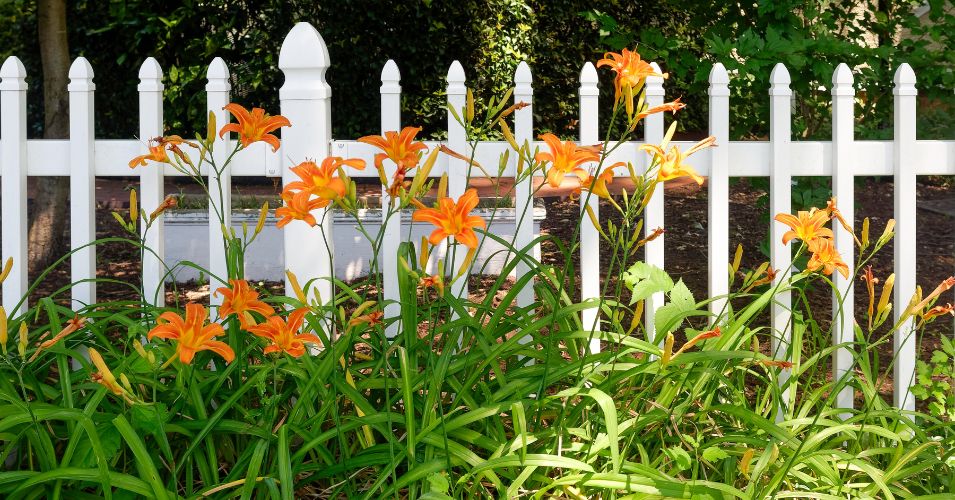
Daylilies have a reputation for being easy to grow, but that does not mean they should be left alone all summer.
As the flowers fade and the season progresses, a little pruning helps keep the plants looking tidy while supporting healthy growth for the months ahead. The good news is that you do not need expert gardening skills or a long list of tools to get it right.
Knowing what to cut, what to leave alone, and when to do it makes all the difference. With a few simple pruning habits, your daylilies can stay attractive throughout summer while building the strength they need to produce another beautiful display next year.
Why Summer Is the Right Time to Prune Daylilies
Daylilies do not need constant attention, but summer is one time of year when a little maintenance goes a long way. As fresh flowers continue to open, older blooms quickly fade and spoil the display. Removing them as you go keeps the plants looking tidy without taking away from the flowers that are still putting on a show.
There is another reason to stay on top of pruning.
Once a flower has finished blooming, the plant naturally starts producing seeds. That process uses energy that could otherwise go toward maintaining healthy growth. Deadheading will not make the same flower bloom again, but it does help the plant focus on what is still growing rather than what has already finished.
Summer is also the easiest time to spot small problems before they become larger ones.
As you work your way around the garden, you will naturally notice damaged leaves, insect activity, or signs of disease that might otherwise go unnoticed. A quick trim and a closer look every few days can prevent minor issues from turning into bigger headaches later in the season.
Timing matters too. You do not need to wait until every flower has finished before picking up your pruners.
Remove faded blooms whenever you see them during summer. Flower stalks should be cut only after every bud on the stem has opened and faded. The green leaves are a different story. Leave them alone until they naturally die back in autumn because they are still helping the plant build reserves for the following year.
The good news is that none of this takes very long. A few minutes while you are already watering, weeding, or enjoying the garden is usually enough to keep your daylilies looking their best all season.
Deadheading vs. Cutting Back Daylilies
One reason gardeners become unsure about pruning daylilies is that deadheading and cutting back are often treated as though they mean the same thing. They do not, and knowing the difference makes pruning much more straightforward.
Deadheading is something you do while the plant is still flowering.
Each daylily bloom lasts for only one day before it begins to wilt. Once that happens, remove the faded flower. It is a small job, but it keeps the plant looking fresh and stops old blooms from hanging around longer than they should.
Cutting back happens less often. Instead of removing individual flowers, you are removing parts of the plant that have finished their job.
During summer, that usually means cutting away flower stalks after the final bloom has faded. By that point, the stalk has nothing left to produce so that it can be removed cleanly near the base.
Healthy leaves are another matter altogether. Even after the flowers have gone, the foliage continues working behind the scenes.
Cutting it back too early might make the plant look neater, but it also removes leaves that are still collecting sunlight and feeding the roots. That is why most gardeners wait until autumn before trimming the foliage right down.
Keeping these two jobs separate makes the whole process much easier. Deadhead throughout the flowering season, cut back only the parts that have finished growing, and let the rest of the plant carry on until nature signals that it is time for the next stage.
How to Prune Daylilies Step by Step
Pruning daylilies is one of those garden jobs that becomes easier after the first couple of attempts. Once you know what you are looking for, you can usually tidy an entire clump in just a few minutes.
A pair of clean pruning shears is all you really need. Many faded flowers will pull away with your fingers, but the thicker flower stalks are much easier to remove with sharp pruners. Giving the blades a quick wipe before you begin is a good habit, especially if you are working around several plants.
If you have the choice, prune in the morning or early evening when temperatures are a little cooler. It is more comfortable to work outside, and freshly cut plants are not immediately exposed to the strongest afternoon sun.
Take a moment to look over the whole plant before making your first cut.
Remove any faded blooms first, then check whether the flower stalks have finished flowering. If every bud has opened and faded, cut the stalk back near the base in one clean cut. If there are still unopened buds, leave it alone for now and come back in a few days.
As you work around the plant, trim away any leaves that are yellow, brown, or clearly damaged. There is no need to shape the clump or cut back healthy foliage. Daylilies naturally have an arching habit, so a slightly untidy appearance is perfectly normal during the middle of summer.
Once you have finished pruning, gather everything from around the base of the plant. Old flowers, dry leaves, and cut stalks are best removed rather than left on the soil. Healthy material can go into the compost pile, while anything affected by disease should be thrown away.
You do not need to set aside an afternoon for this job. If you spend a few minutes with your daylilies whenever you are already watering or weeding, pruning quickly becomes part of your regular garden routine instead of another task on the to-do list.
Mistakes That Can Damage Your Daylilies
Daylilies are hard to kill, but they are easy to overprune. Many gardeners assume cutting back more of the plant will help it stay neat, when the opposite is often true. During summer, knowing when to stop pruning is just as important as knowing where to make each cut.
One mistake is removing flower stalks too early. A single scape can produce several flowers over the course of days or even weeks.
Just because the first blooms have faded does not mean the stalk has finished flowering. Before cutting it away, check that every bud has opened and that no flowers are left to come.
Another common habit is cutting the foliage back for a tidier appearance. Although it might make the plant look neater for a while, those green leaves are still doing an important job. Trimming them too soon can weaken the plant and leave it with less energy for next year’s growth.
Using neglected tools can also cause problems. Blunt pruning shears crush stems rather than make clean cuts, while dirty blades can spread diseases between plants. Keeping your tools clean and sharp takes only a few moments but can save a lot of trouble later.
Do not forget about the debris left behind, either. Old flower stalks, faded blooms, and damaged leaves should be cleared away once you have finished pruning. Leaving them around the base of the plant creates a damp environment where pests and fungal diseases are more likely to develop.
Finally, avoid rushing through the job. Daylilies rarely need heavy pruning all at once. A quick check every few days is usually enough to keep them in good shape throughout the season.
By removing only the parts that have genuinely finished their job, you help the plant stay healthy without depriving it of the growth it still needs.
Care for Daylilies After Summer Pruning
Once you have finished pruning, there is not much left to do, which is one reason daylilies are such popular garden plants.
They recover quickly and rarely demand constant attention. A little care for the rest of the summer is usually enough to keep them growing well until the season winds down.
Water is the first thing to think about. If rain has been scarce, give the plants a deep soak instead of frequent light watering. Moisture that reaches the roots is far more useful than water that only dampens the soil’s surface.
During particularly hot spells, checking the soil every few days is often a better approach than watering on a fixed schedule.
You do not always need to reach for fertilizer either. Healthy daylilies growing in reasonably fertile soil often perform perfectly well without an extra feed after pruning.
If growth seems weak or your soil is lacking nutrients, a light application of a balanced fertilizer can help. Resist the urge to overfeed, though. Too much fertilizer encourages lush foliage when the plant should be focusing on building strong roots.
Keeping the area around each clump tidy also pays off. Pull any weeds that appear before they have the chance to spread, and remove fallen leaves or faded flowers that collect around the base.
This improves airflow and leaves fewer places for pests and fungal problems to develop, especially during warm, humid weather.
A layer of mulch can also help the plants cope with summer conditions. Organic mulch slows moisture loss from the soil and keeps the root zone cooler during hot afternoons. Spread it around the plant, but leave a little space around the crown so excess moisture is not trapped against it.
For the rest of the season, keep an eye on your daylilies whenever you are in the garden. Remove faded flowers as they appear, enjoy any reblooming varieties that continue flowering, and let the healthy green leaves remain in place.
Those leaves are quietly storing energy that will support next year’s display, even if they no longer attract much attention.
Final Thoughts
Summer pruning is not about cutting back everything you see. It is about removing the parts of the plant that have finished their job while leaving the healthy growth to do its work.
Once you understand that balance, caring for daylilies becomes much easier. Deadhead faded blooms, remove flower stalks when they have finished flowering, trim damaged leaves, and leave the healthy foliage alone until it naturally dies back later in the year.
That small amount of regular care keeps your plants looking neat through the summer while helping them build strength for the following season.
Before long, pruning becomes just another quick stop in the garden instead of a task you have to set aside time for, and your daylilies will continue rewarding you with dependable color year after year.